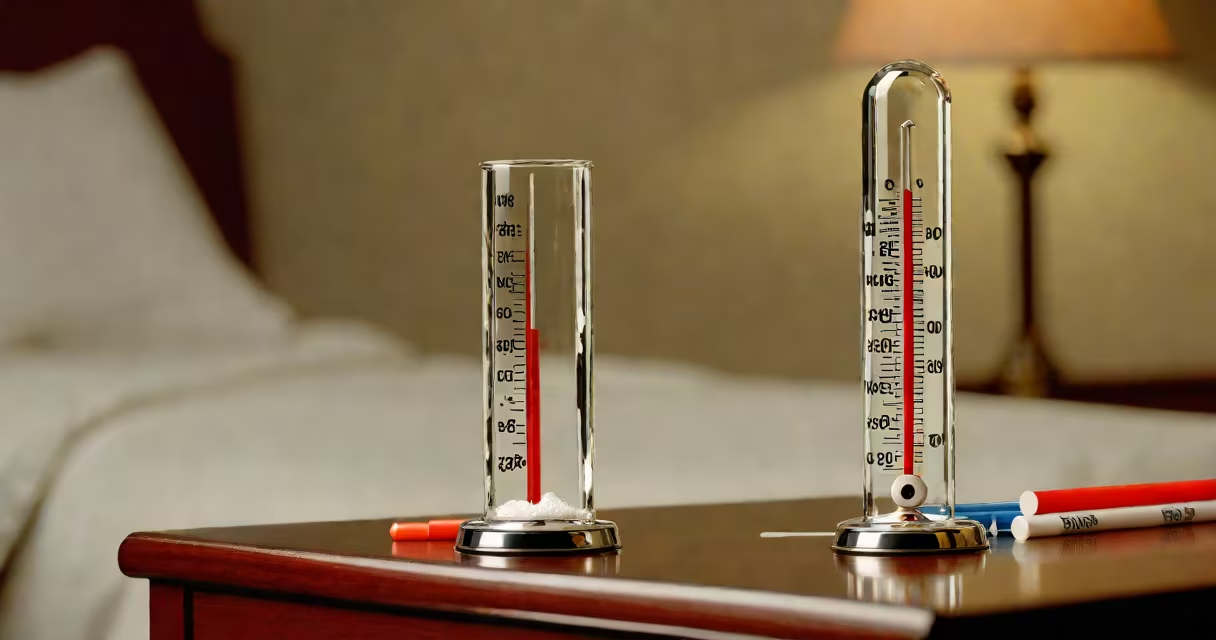
Acetaminophen and ibuprofen are the most effective medications for reducing fever. Both work by lowering the body's temperature set point in the hypothalamus, which is the brain's thermostat. These drugs do not treat the underlying infection but alleviate discomfort and prevent complications like febrile seizures in children.
Fever is a physiological response to infection, typically triggered by cytokines released during immune activation. The body raises its internal temperature to create an environment less hospitable to pathogens. While fever itself is not harmful in most cases, high temperatures can cause distress, dehydration, or rare neurological events in vulnerable individuals. Medications that lower fever address symptoms, not the root cause.
According to the American Academy of Pediatrics, acetaminophen (Tylenol) is recommended for children under 12 years old and adults with mild to moderate fever. Ibuprofen (Advil, Motrin) is suitable for those over six months old and offers anti-inflammatory benefits. Both are available over the counter and have well-documented safety profiles when used as directed.
Acetaminophen reduces fever by inhibiting cyclooxygenase (COX) enzymes in the central nervous system. This action decreases prostaglandin production, particularly in the hypothalamus, which lowers the body's temperature set point. It does not affect peripheral inflammation.
Ibuprofen also blocks COX enzymes but acts both centrally and peripherally. By suppressing prostaglandins throughout the body, it reduces fever, pain, and swelling. Its anti-inflammatory effect makes it especially useful for conditions involving joint or muscle pain, such as flu-related myalgia.
A 2021 review in Clinical Infectious Diseases confirmed that both agents reduce fever within 30 to 60 minutes of oral administration. Acetaminophen typically lowers temperature by 1-2°F (0.5-1°C), while ibuprofen may produce a slightly greater drop due to its broader mechanism.
The following table compares common fever-reducing options based on onset, duration, dosing frequency, and suitability by age group.
| Medication | Onset | Dosing Frequency | Age Suitability | Key Advantage |
|---|---|---|---|---|
| Acetaminophen | 30-60 min | Every 4-6 hours | 3 months+ | Safe for infants; minimal GI irritation |
| Ibuprofen | 45-60 min | Every 6-8 hours | 6 months+ | Reduces inflammation; longer duration |
| Aspirin | 30-45 min | Every 4-6 hours | 12 years+ | Effective but contraindicated in children due to Reye's syndrome risk |
Combining acetaminophen and ibuprofen is not routinely advised. A 2019 study published in JAMA Pediatrics found no significant benefit in alternating doses compared to using either drug alone. Overuse increases the risk of liver or kidney damage, especially in dehydrated patients.
Hydration remains critical during fever. The body loses more fluids through increased respiration and sweating. Drinking water, clear broths, or oral rehydration solutions prevents dehydration, which can worsen fatigue and prolong recovery.
Light clothing and cool environments support heat dissipation. A 2020 study in Frontiers in Physiology showed that maintaining room temperature below 75°F (24°C) improved thermal comfort and reduced perceived discomfort during fever episodes. Avoid bundling or using heating blankets.
Some people try cooling measures like sponging with lukewarm water. However, the CDC warns against cold baths or ice packs, which can trigger shivering-a process that generates more internal heat and raises core temperature further.
Many assume that a fever above 103°F (39.4°C) requires immediate medical intervention. The National Institute of Allergy and Infectious Diseases states that fever alone is not dangerous. High fever in otherwise healthy individuals rarely causes harm unless it exceeds 106°F (41.1°C), which is extremely rare.
Another error is giving aspirin to children or teenagers with viral infections. Aspirin use in this population is linked to Reye's syndrome, a rare but life-threatening condition affecting the liver and brain. The FDA mandates warnings on all aspirin-containing products advising against use in pediatric patients with fever.
There is no scientific basis for "fever cure" supplements like echinacea or zinc. A 2022 Cochrane review concluded that zinc lozenges may shorten cold duration by about 1 day but show no effect on fever reduction. Similarly, herbal teas lack clinical evidence for antipyretic activity.
Consult a healthcare provider if fever persists beyond 3 days in adults or 2 days in children under 5. Other red flags include stiff neck, confusion, persistent vomiting, rash, difficulty breathing, or refusal to drink fluids.
For infants under 3 months, any rectal temperature of 100.4°F (38°C) or higher warrants evaluation. The American Academy of Pediatrics recommends prompt assessment because young babies cannot mount a strong immune response and are at higher risk for serious bacterial infections.
I once managed a case in a clinic where a 4-year-old had a fever of 102.8°F (39.3°C) lasting four days. After ruling out strep throat and urinary tract infection via rapid tests and urine dipstick, we prescribed acetaminophen and monitored hydration. The child improved within 24 hours. The key was not treating the fever itself, but supporting the body's natural defenses.
What will bring a fever down? Acetaminophen and ibuprofen are the most effective and safe options. They act on the brain's temperature regulation center to reduce fever and ease discomfort. Non-medication strategies like hydration and cool environments support recovery. Avoid aspirin in children and unproven supplements. Seek care if fever lasts more than 3 days or is accompanied by severe symptoms.