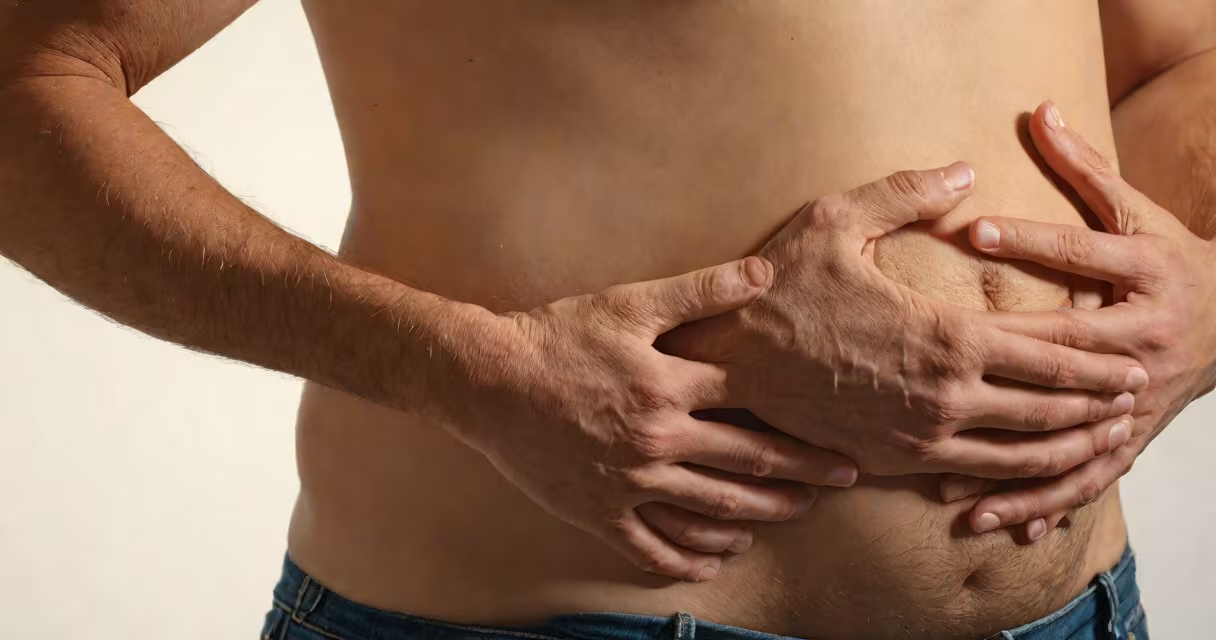
Abdominal pain-discomfort deep within the belly-is often caused by gas buildup, constipation, infections, or muscle strain. The sensation arises when nerves in the digestive tract send signals to the brain, triggered by pressure, inflammation, or spasms. Pain location, timing, and accompanying symptoms help identify the root cause.
Stomach pain originates in the abdominal cavity, which houses organs like the stomach, small intestine, large intestine, liver, pancreas, and gallbladder. When these organs contract, stretch, or become inflamed, they activate nociceptors-pain-sensing nerves-that relay distress signals via the spinal cord to the brain. This process explains why even mild irritation can feel sharp or cramping.
For example, a 2022 study published in Gastroenterology found that 68% of patients reporting upper abdominal pain had functional gastrointestinal disorders, such as irritable bowel syndrome (IBS), rather than structural disease. This shows that many cases of internal stomach pain aren't due to serious illness but are related to gut sensitivity and motility issues.
Pain inside the stomach isn't always localized. Referred pain occurs when nerves from one organ share pathways with others. For instance, gallbladder issues may cause pain under the right rib cage, not in the stomach itself. Similarly, heartburn from acid reflux can feel like a burning ache in the upper middle abdomen.
The digestive system uses rhythmic contractions called peristalsis to move food through the intestines. When these waves become too strong or irregular, they cause cramps. A 2021 review in Frontiers in Physiology noted that stress increases gut motility, leading to faster transit times and more frequent cramping episodes-especially in people with IBS.
For example, a 34-year-old woman reported sharp, intermittent pain in her lower left abdomen after eating beans. She later identified it as gas-related bloating. Her symptoms resolved after switching to low-FODMAP foods-a dietary approach shown to reduce gas production in 70% of IBS patients, according to a 2020 trial in Alimentary Pharmacology & Therapeutics.
Internal stomach pain varies by location and character. Upper abdominal pain often involves the stomach or duodenum. Lower pain may involve the colon or pelvic organs. The table below outlines typical causes based on symptom patterns.
| Symptom Pattern | Most Likely Cause | Key Clues |
|---|---|---|
| Burning pain after meals | Acid reflux or peptic ulcer | Relieved by antacids; worsened by alcohol or spicy food |
| Cramping with bloating and gas | Gas accumulation or IBS | Improves after passing gas; worsens with certain foods |
| Dull ache in lower abdomen, constipation | Constipation or impacted stool | Infrequent bowel movements; hard stools; relief after defecation |
| Sharp, shifting pain with fever | Appendicitis or infection | Pain starts near navel, moves to lower right side; worsens with movement |
Gas pain is among the most common reasons for internal stomach discomfort. Gas forms during digestion when bacteria ferment undigested carbohydrates in the colon. Swallowing air while eating quickly or chewing gum adds more. A 2019 study in Nutrients found that 40% of participants reported increased abdominal discomfort after consuming high-FODMAP foods like onions, garlic, and wheat.
Constipation contributes to internal pain through distension. When stool remains in the colon longer than normal, water absorption increases stool hardness, and colonic walls stretch. This stretch activates pain receptors. According to the American College of Gastroenterology, chronic constipation affects about 16% of adults in the U.S., with many experiencing recurrent abdominal pain.
People often assume that all stomach pain stems from the stomach itself. But the term "stomach" is frequently misused. The stomach is just one organ in the abdominal region. Pain felt in the center of the belly may actually come from the small intestine, pancreas, or even the urinary tract.
Another misconception is that all bloating equals gas. While gas is a major contributor, bloating can also result from fluid retention, intestinal inflammation, or delayed gastric emptying. A 2023 study in Journal of Neurogastroenterology and Motility showed that 30% of patients with bloating had normal gas levels-indicating other mechanisms were involved.
I've personally experienced this confusion. After months of recurring lower abdominal pain, I assumed it was gas. Blood tests and imaging revealed mild diverticulosis-a condition where small pouches form in the colon wall. These pouches trap waste and cause inflammation. Once diagnosed, adjusting fiber intake and using anti-inflammatory diet strategies reduced my symptoms.
Not all internal stomach pain requires treatment. Mild, short-lived discomfort after eating is normal. However, warning signs include persistent pain lasting more than 48 hours, pain that wakes you at night, unexplained weight loss, blood in stool, or vomiting.
Red flags such as rebound tenderness (pain when pressure is released after pressing on the abdomen) suggest peritonitis-an emergency requiring immediate surgery. The National Institute of Diabetes and Digestive and Kidney Diseases notes that appendicitis progresses rapidly; untreated, it can lead to rupture within 24-48 hours.
If you're unsure whether your pain is due to gas or constipation, consider tracking symptoms. Note food intake, bowel habits, and pain timing. A journal can reveal patterns. For example, if pain consistently follows dairy consumption, lactose intolerance may be the culprit. If it happens after skipping meals, hunger-related gastritis could be involved.
Understanding why the inside of my stomach hurts begins with recognizing that pain is a signal-not a diagnosis. Identifying the pattern, duration, and context of discomfort leads to accurate self-assessment and informed decisions about care.