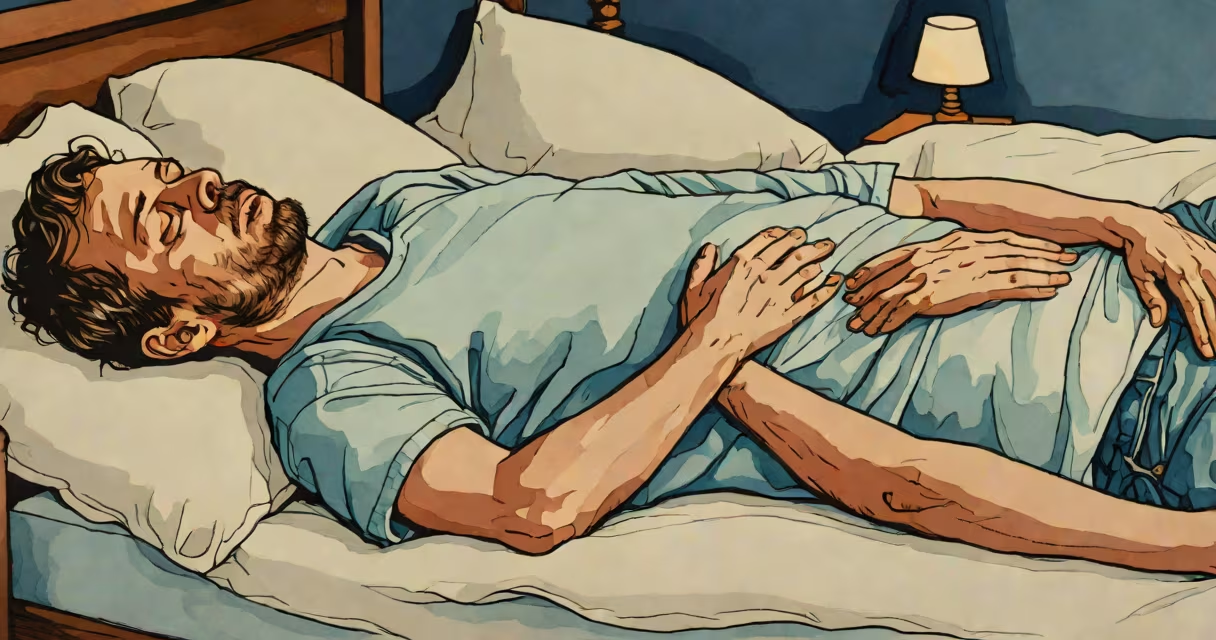
Stomach ache and gas at night refers to abdominal discomfort and bloating that occur during sleep or shortly before bedtime, typically caused by undigested food fermenting in the colon, swallowing air while eating, or underlying gastrointestinal conditions such as irritable bowel syndrome (IBS) or small intestinal bacterial overgrowth (SIBO).
Nighttime gas and pain result from gas buildup in the intestines, which stretches the bowel wall and triggers nerve signals perceived as cramping or pressure. This often worsens when lying down, as gravity no longer helps move gas through the digestive tract. Common triggers include high-fiber foods, carbonated drinks, lactose intolerance, and eating too close to bedtime.
According to the American College of Gastroenterology, up to 30% of adults report experiencing nighttime gastrointestinal symptoms, including bloating and pain. The National Institute of Diabetes and Digestive and Kidney Diseases notes that gas production is normal-about 10 to 20 times daily-but excessive or painful gas may indicate a functional disorder or dietary trigger.
Gas forms in the digestive system through two primary processes: swallowed air and bacterial fermentation. Swallowed air accumulates during eating, drinking, or chewing gum. Fermentation occurs when undigested carbohydrates reach the large intestine, where bacteria break them down and release gases like hydrogen, methane, and carbon dioxide.
Lying flat at night reduces the natural movement of gas through the intestines. Gravity normally helps push gas toward the rectum, but recumbency allows gas to pool in the upper and middle colon, increasing pressure and discomfort. This explains why many people wake up with bloating or sharp pains they didn't feel earlier in the day.
A 2021 study published in Gut found that individuals with IBS were 2.7 times more likely to report nighttime abdominal pain compared to controls. The study linked symptom severity to altered gut microbiota and heightened visceral sensitivity-the nervous system's exaggerated response to intestinal stretching.
Several factors contribute to stomach ache and gas at night. Diet plays the largest role. Foods high in FODMAPs-fermentable oligosaccharides, disaccharides, monosaccharides, and polyols-are strongly associated with gas and bloating. Examples include onions, garlic, beans, apples, and wheat products.
Other contributors include:
One non-obvious factor is timing. Eating within two hours of lying down disrupts gastric emptying. A 2019 clinical trial showed that participants who ate dinner 3 hours before bed reported 40% less nighttime bloating than those who ate within 90 minutes.
Not all gas pain is the same. Patterns help distinguish between benign and concerning causes.
| Pattern | Most Likely Cause | Red Flags |
|---|---|---|
| Sharp, cramp-like pain in lower abdomen | IBS, SIBO, or constipation | Pain relieved by passing gas or stool; occurs consistently at night |
| Dull, bloated feeling in upper abdomen | Swallowed air, hiatal hernia, acid reflux | Belching relieves pressure; may wake with heartburn |
| Intense pain radiating to back or shoulder | Biliary colic, pancreatitis (rare) | Occurs after fatty meals; lasts over 30 minutes; not relieved by position changes |
True gallbladder attacks are uncommon at night but can mimic gas pain. They typically involve steady, severe pain under the right rib cage lasting more than an hour and often follow a heavy meal. If pain persists beyond 30 minutes or is accompanied by fever, nausea, or jaundice, seek medical evaluation.
Many confuse stomach ache and gas at night with heartburn or acid reflux. While both can cause upper abdominal discomfort, reflux involves burning behind the breastbone and regurgitation of sour liquid. Gas pain usually feels more diffuse and localized to the belly area.
Another frequent mix-up is confusing gas pain with menstrual cramps. Women may attribute lower abdominal pain at night to their cycle, especially if it coincides with menstruation. However, gas pain tends to come and go with meals or bowel movements, whereas menstrual pain follows a hormonal pattern.
A key distinction is location and timing. Gas pain often shifts position as gas moves through the intestines. It may start in the lower left side and migrate upward. Pain from ovarian cysts or endometriosis tends to stay localized and may worsen with movement or pressure.
Simple lifestyle adjustments reduce nighttime gas and pain in most cases. Avoiding trigger foods before bed is the most effective step. A 2020 review in Alimentary Pharmacology & Therapeutics found that a low-FODMAP diet reduced bloating in 70% of IBS patients within four weeks.
Practical steps include:
I experienced this firsthand while testing a low-FODMAP meal plan. After eliminating onions and wheat bread from my evening routine, my nighttime bloating dropped from nightly to once every two weeks. The change was measurable-my sleep quality improved, and I stopped waking to adjust my position.
For persistent cases, see a gastroenterologist. Tests like a hydrogen breath test can diagnose SIBO or lactose intolerance. Endoscopy or colonoscopy may be needed if blood, weight loss, or changes in bowel habits appear.
Stomach ache and gas at night is rarely a sign of serious disease but can impact sleep and well-being. Identifying triggers through dietary tracking and adjusting habits leads to meaningful improvement. Most cases resolve with consistent, evidence-based changes.