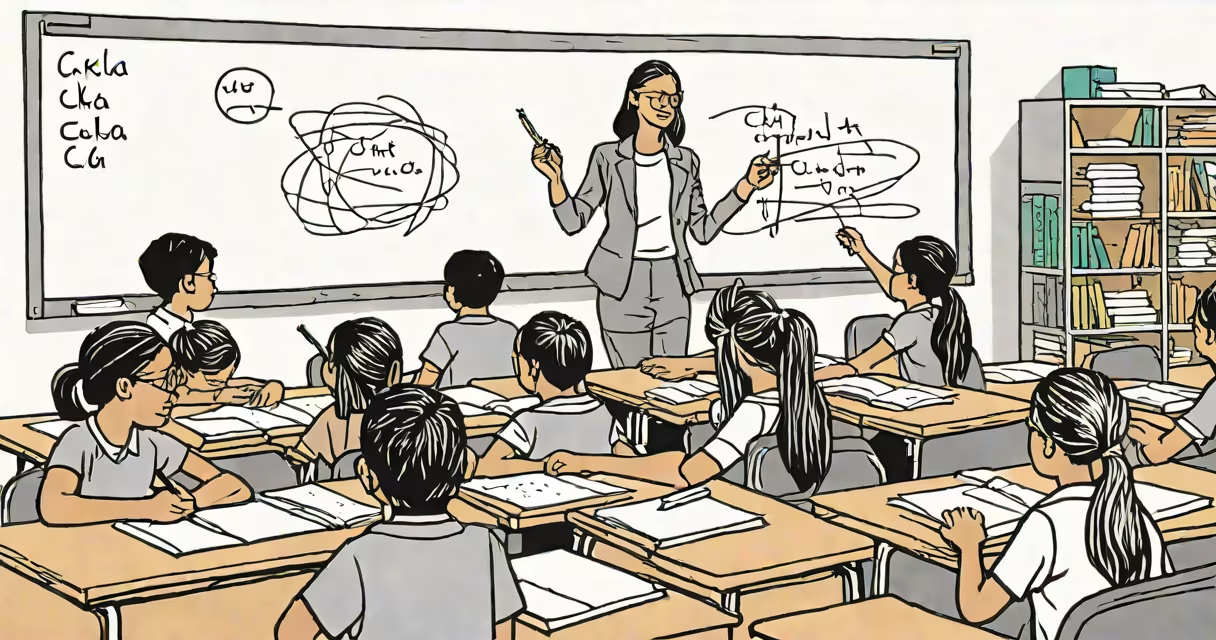
CKLA (Core Knowledge Language Arts) is a research-based, systematic literacy curriculum designed for grades K-6 that teaches reading, writing, and content knowledge through structured, sequential lessons grounded in explicit instruction and cumulative review.
Developed by the Core Knowledge Foundation, CKLA integrates language arts with rich content across history, science, and the arts. It follows a "knowledge-first" model: students learn facts and vocabulary before applying them to reading and writing tasks. The program emphasizes phonemic awareness, decoding, fluency, vocabulary, and comprehension-all taught in a tightly sequenced progression.
Each grade level includes two components: "Stories and Songs" (K-2) and "Literature and Informational Text" (3-6). Lessons are delivered daily, with scripted teacher guides, embedded assessments, and consistent routines. The program is widely adopted in public and charter schools across the U.S., particularly in districts focused on closing achievement gaps.
CKLA operates on a principle called "cumulative learning." New skills build directly on previously taught ones. For example, in Grade 1, students begin with short vowel sounds and progress to blending CVC words, then multi-syllabic words, and finally decoding complex texts. Each lesson reinforces prior concepts through review activities, ensuring mastery before moving forward.
Instruction is highly structured. Teachers follow detailed scripts that include warm-up routines, direct instruction, guided practice, and independent application. This reduces cognitive load on educators and ensures consistency across classrooms. Students engage in whole-group instruction, partner work, and individual writing tasks throughout the day.
A key feature is the integration of content knowledge. In Grade 2, for instance, students study the American Revolution through a series of read-alouds, vocabulary lessons, and hands-on projects. They learn terms like "colonies," "taxation," and "Declaration of Independence" before reading passages about the Boston Tea Party. This approach prevents reading comprehension from being hindered by unfamiliar background knowledge.
CKLA is divided into two main strands per grade level:
| Grade Level | Component | Focus Areas | Duration |
|---|---|---|---|
| K-2 | Stories and Songs | Phonics, phonemic awareness, vocabulary, narrative comprehension, oral language development | 12-15 weeks per unit |
| 3-6 | Literature and Informational Text | Reading fluency, academic vocabulary, informational text analysis, evidence-based writing | 12-15 weeks per unit |
Each unit includes 15-20 daily lessons lasting 45-60 minutes. Lessons are grouped around themes such as "The Solar System" (Grade 3) or "Ancient Greece" (Grade 4). Within each unit, students encounter a mix of fiction and nonfiction texts, audio recordings, graphic organizers, and writing prompts.
Assessments are built into the system. Weekly checks track progress on letter-sound recognition, word reading accuracy, and oral reading fluency. End-of-unit evaluations measure comprehension and writing quality. Data from these assessments inform instruction and allow teachers to identify students needing intervention.
Research shows that systematic phonics instruction improves reading outcomes, especially for struggling readers. According to the National Reading Panel (2000), explicit, systematic phonics instruction produces greater gains in decoding and reading fluency than incidental or embedded approaches.
CKLA aligns with these findings. A 2018 study published in Reading Research Quarterly found that students using CKLA in Grades 1-3 outperformed peers in control groups on standardized reading assessments, with effect sizes ranging from 0.35 to 0.52-moderate to large impacts in educational research terms.
One school district in Ohio reported a 22% increase in third-grade proficiency on state reading tests after implementing CKLA district-wide. Teachers cited reduced planning time due to the scripted format and improved student engagement during content-rich units.
CKLA is often mistaken for a "basal reader" or a traditional textbook series. It is not. Basal programs typically focus on isolated skill drills and lack thematic coherence. CKLA, by contrast, embeds phonics within meaningful content and prioritizes long-term retention through spaced repetition.
Another misconception is that CKLA only teaches reading. It does not. The program includes deliberate instruction in grammar, syntax, and writing mechanics. In Grade 5, students write argumentative essays based on historical texts they've studied. They learn to cite evidence, structure paragraphs, and revise drafts using rubrics aligned with Common Core State Standards.
Some educators assume CKLA is too rigid for diverse classrooms. But field testing in urban, rural, and suburban schools shows it adapts well to different contexts. A teacher in a low-income school in Detroit told me firsthand that her students-many of whom spoke dialects other than Standard English-grew confident in reading and writing because the program gave them clear models and consistent feedback.
In a typical Grade 2 unit, students explore weather patterns over four weeks. The unit begins with phonics instruction on the "ai" sound (as in "rain"), followed by vocabulary building: "storm," "temperature," "forecast," "precipitation."
Students listen to a read-aloud about a tornado in Oklahoma. The teacher pauses to ask, "What caused the storm?" and "How did people stay safe?" Afterward, students complete a graphic organizer identifying cause-and-effect relationships. They then write a short paragraph using sentence frames: "A storm happens when ________."
By week three, students apply their knowledge in a science experiment: measuring temperature changes in shaded vs. sunny areas. They record results in a journal using labeled diagrams and descriptive language. By the end, they present findings orally using new vocabulary.
This sequence demonstrates how CKLA integrates phonics, content knowledge, writing, and critical thinking-all within a single unit.
What is CKLA? It's a structured, evidence-based language arts program that builds reading and writing skills through cumulative, content-rich instruction. It's not a quick fix. It's not a flashy app. It's a proven structure for teaching literacy systematically and effectively.