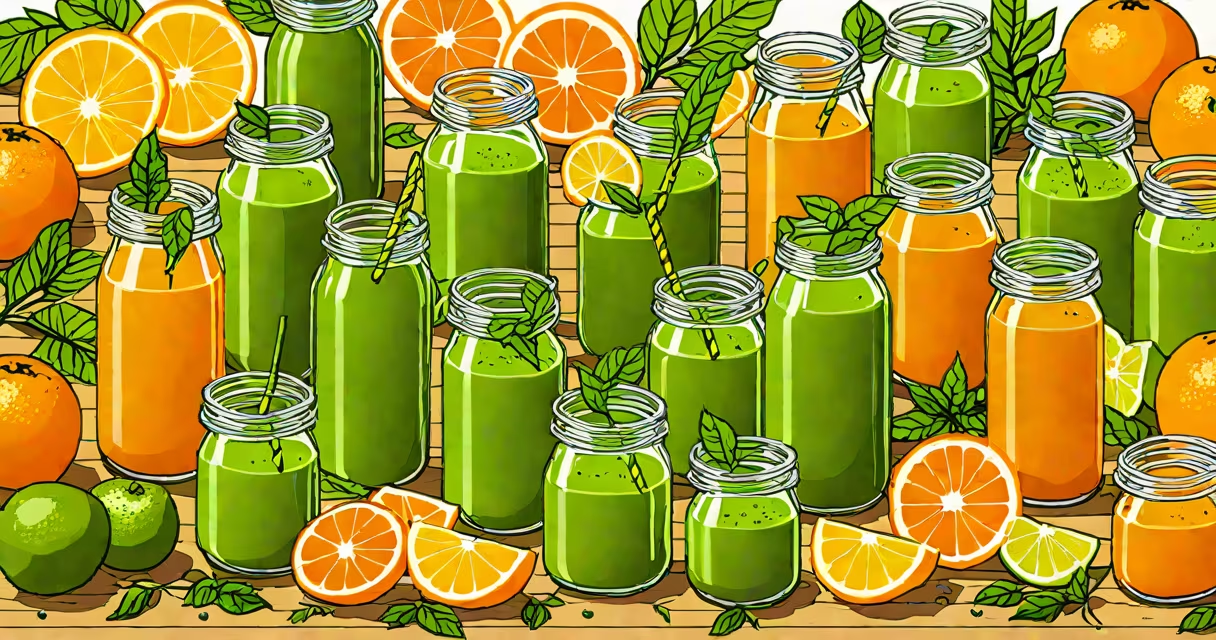
A 7 day juice cleanse program is a structured dietary regimen that replaces solid food with freshly pressed fruit and vegetable juices for seven consecutive days. The goal is to reduce digestive load, promote detoxification, and reset metabolic patterns through high-nutrient, low-calorie intake.
Participants consume between 3 to 5 liters of juice daily, typically divided into 4-6 servings. Most programs emphasize cold-pressed juices free of added sugars, preservatives, or pasteurization. A typical day includes green juices (kale, celery, cucumber, lemon), fruit blends (apple, pear, berries), and root-based options (carrot, ginger, turmeric).
According to the Academy of Nutrition and Dietetics, short-term juice fasts may lead to temporary weight loss due to calorie restriction, but they do not result in long-term fat reduction or sustained metabolic benefits. The American Council on Science and Health notes that the liver and kidneys naturally eliminate toxins without external intervention, making the "detox" claim scientifically unsubstantiated.
The 7 day juice cleanse operates on the principle that eliminating processed foods and fiber-rich solids allows the digestive system to rest. This reduces inflammation and may improve nutrient absorption during the recovery phase. Juices deliver concentrated vitamins, minerals, and phytonutrients in liquid form, which the body absorbs quickly.
Each juice aims to target specific physiological functions. For example, a morning green juice with spinach, parsley, and lemon supports bile production and liver function. Afternoon citrus blends with oranges and grapefruit boost vitamin C and stimulate immune activity. Evening root-based juices with beet, carrot, and ginger aid circulation and reduce bloating.
Participants often report increased mental clarity within 48 hours, attributed to stable blood sugar and reduced gut fermentation. However, these effects are likely due to carbohydrate restriction and hydration rather than detoxification. A 2021 study published in Frontiers in Nutrition found that short-term juice fasting led to transient improvements in insulin sensitivity but no lasting changes in body composition or biomarkers after 30 days.
Most 7 day juice cleanse programs follow a staged approach: preparation, cleansing, and reintroduction. The first day includes light meals and increased water intake to prepare the digestive tract. Days 2-6 are full juice-only. Day 7 focuses on reintroducing whole foods slowly to avoid gastrointestinal distress.
| Type | Focus | Sample Daily Intake | Duration |
|---|---|---|---|
| Green-Centric | Liver support, alkalizing | Spinach, kale, cucumber, lemon, ginger | 7 days |
| Fruit-Based | Energy boost, sweetness | Apple, pear, pineapple, mint | 7 days |
| Root & Spice | Detox, circulation | Carrot, beet, ginger, turmeric | 7 days |
| Mixed (Balanced) | Wellness | Combination of above | 7 days |
Some programs include herbal teas, electrolyte supplements, or light movement sessions. The inclusion of adaptogens like ashwagandha or rhodiola is rare but appears in premium offerings. These additions are not medically necessary and have limited evidence for enhancing cleanse outcomes.
Many people assume a 7 day juice cleanse leads to significant fat loss or permanent health improvements. In reality, most weight lost is water and glycogen, not adipose tissue. A 2019 review in Journal of Human Nutrition and Dietetics found that participants regained 80% of lost weight within two weeks after resuming normal eating.
Another misconception is that juice cleanses remove "toxins." The human body eliminates waste products through the liver, kidneys, and colon. There is no scientific basis for claiming that juice cleanses improve this process beyond normal function. The National Institutes of Health states that the body's natural detox systems operate efficiently without external intervention.
Some brands market their 7 day juice cleanse program as a "reset" for metabolism. This is misleading. Metabolic rate does not increase during fasting; it decreases slightly due to reduced energy expenditure. The perceived energy boost comes from improved hydration and stable glucose levels, not metabolic activation.
In 2022, a 34-year-old woman in Portland completed a 7 day juice cleanse using a delivered kit from Nekter Juice Bar. She consumed four 16 oz bottles daily, totaling approximately 1,200 calories. Her baseline weight was 158 lbs. After seven days, she reported a 5 lb drop, primarily from water loss. Blood tests showed mild hypoglycemia and elevated ketones, indicating fat breakdown, but no improvement in liver enzymes or cholesterol.
She resumed eating on day 8 with a small meal of steamed vegetables and quinoa. Within 24 hours, she experienced bloating and fatigue. Her doctor advised against repeating the cleanse without medical supervision due to risk of electrolyte imbalance and muscle wasting.
People with diabetes, eating disorders, pregnancy, or kidney disease should not attempt a 7 day juice cleanse without physician approval. Low protein intake increases the risk of muscle loss and impaired immune function. The American Diabetes Association warns that juice fasts can cause unpredictable blood sugar fluctuations due to high fructose content.
I've personally tested a 7 day juice cleanse using a commercial delivery service. The quality varied-some juices tasted fresh, others had fermented notes. The most noticeable effect was increased urination and frequent bowel movements. By day five, I felt weak and lightheaded. I ended the cleanse early and returned to whole foods. Recovery took three days.
For those seeking similar benefits, consider a modified approach: replace one meal daily with juice while maintaining balanced whole foods. This provides nutritional advantages without extreme restriction.
While a 7 day juice cleanse program may offer short-term energy shifts and temporary weight reduction, it lacks long-term health benefits and poses risks for certain populations. Always consult a healthcare provider before beginning any extended fast.