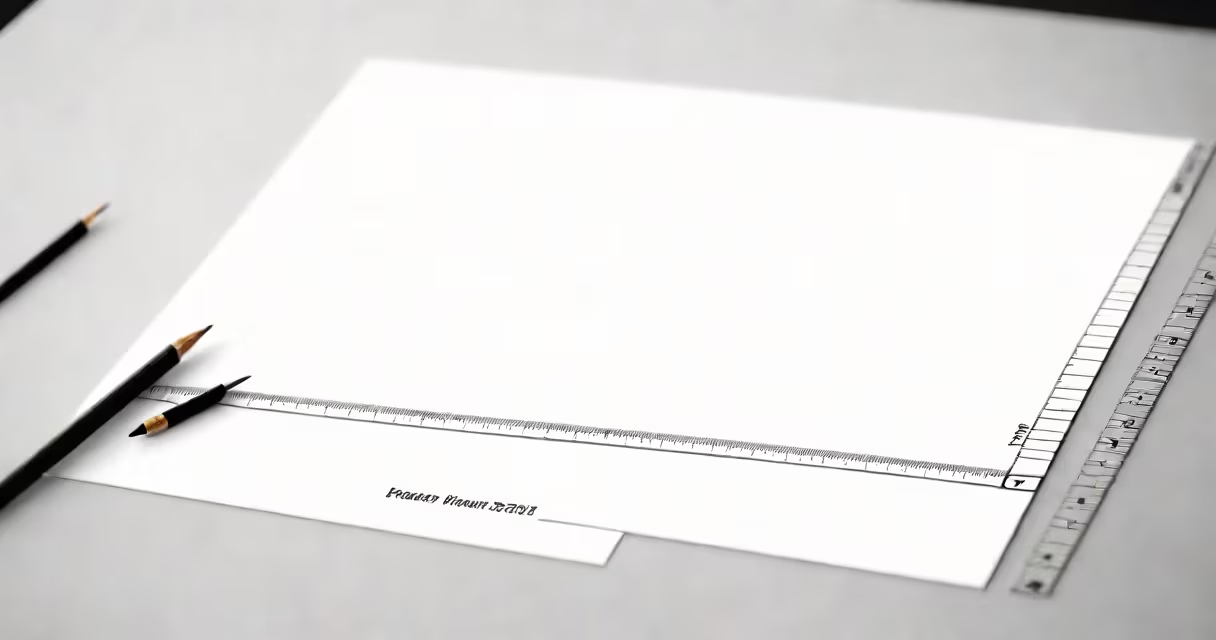
An 8 x 10 is a standard photographic print size measuring 8 inches in height and 10 inches in width, widely used for portraits, artwork, and framed displays. It is part of a legacy system of print dimensions based on imperial units, not digital aspect ratios.
This size originated in film photography and was standardized by the American National Standards Institute (ANSI) and the International Organization for Standardization (ISO). It fits perfectly in common picture frames and is frequently used in professional studios for headshots, event photography, and art prints.
The 8 x 10 format maintains a 4:5 aspect ratio. This differs from digital screen formats like 16:9 or 1:1, which makes cropping necessary when printing digital images without adjusting composition. A 1080p video frame (16:9) scaled to 8 x 10 requires trimming approximately 25% of the vertical edges to fit.
Prints are produced using inkjet or dye-sublimation printers. Inkjet models like the Canon PIXMA Pro-100 can output 8 x 10 prints at 4800 x 2400 dpi, ensuring high detail and color accuracy. The paper weight typically ranges from 200 to 300 gsm, with matte or glossy finishes.
For consistent results, photographers use calibrated monitors and color profiles such as sRGB or Adobe RGB. Without proper calibration, colors may shift during printing. A test print on a small scale (e.g., 4 x 6) before batch production reduces waste and ensures alignment with client expectations.
Professional labs often use the CIELAB color space for precise color matching. According to the ISO 12647-8 standard, color accuracy is measured using a spectrophotometer to verify ΔE values below 3.0 under D50 lighting conditions.
While the base dimension remains 8 x 10 inches, several variants exist based on finish, material, and purpose:
| Type | Material | Use Case | Common Price Range |
|---|---|---|---|
| Matte | Coated cotton paper | Art galleries, portfolios | $1.50 - $3.00 |
| Glossy | Polycotton blend | Commercial photography, fashion | $2.00 - $4.00 |
| Fine Art Canvas | Textured polyester-cotton canvas | Wall decor, exhibitions | $10.00 - $25.00 |
| Photo Paper with Luster Finish | Resin-coated polyethylene | Family albums, events | $1.75 - $3.50 |
Some specialty prints use archival inks and acid-free papers to prevent fading over time. The Image Permanence Institute (IPI) rates such prints as lasting 100+ years under normal indoor lighting, compared to 10-20 years for standard dye-based prints.
Many assume 8 x 10 refers to a digital resolution, such as 800 x 1000 pixels. That's incorrect. An 8 x 10 print requires a minimum of 2400 x 3000 pixels at 300 DPI to avoid pixelation. A 1080p image (1920 x 1080) scaled to 8 x 10 would appear blurry unless upsampled with AI tools like Topaz Gigapixel AI.
Another error is thinking 8 x 10 is interchangeable with 10 x 8. These are different orientations. An 8 x 10 is portrait; a 10 x 8 is field. Swapping orientation changes framing needs and visual impact. For example, a full-body portrait in 8 x 10 shows the subject vertically, while a 10 x 8 version would crop the top and bottom unless re-composed.
A lesser-known fact: the 8 x 10 size predates digital cameras. It was established in the 1930s by Kodak and Fuji for 35mm film negatives. The negative size was 24mm x 36mm, which, when enlarged, naturally fit into 8 x 10 due to the 3:4 aspect ratio. This historical link explains why the format persists despite digital shifts.
In a recent session, a photographer captured 24 images at 4000 x 6000 pixels using a Canon EOS R5. All were processed in Adobe Lightroom with a custom profile for skin tone accuracy. After selecting the best five shots, they were exported at 300 DPI for printing.
Each file was resized to 2400 x 3000 pixels to match the 8 x 10 print requirement. The photographer used a color-managed workflow: calibrated monitor, soft-proofing with ICC profiles, and a test print on 270 gsm matte paper. Final prints were delivered in a protective sleeve with a barcode for tracking.
One client requested a borderless 8 x 10 print. The printer software adjusted the margins to avoid clipping, but the photographer had to manually extend the background in Photoshop to maintain composition. This step is often overlooked but critical for edge-to-edge clarity.
Different aspect ratios affect layout. A 16:9 image stretched to 8 x 10 loses vertical detail. Cropping to 4:5 preserves proportion but removes context. Some clients prefer center-cropped versions to focus on faces, especially in group photos.
When working with large volumes, automated systems like those from Epson's WorkForce Pro series handle 8 x 10 prints at 25 sheets per minute with automatic duplexing. These are used in commercial labs, not home setups.
I once printed 50 8 x 10 portraits for a wedding event. Using a Canon imagePROGRAF PRO-2000, I set the media type to "Glossy Photo Paper" and enabled automatic color calibration. The first 10 prints showed slight color drift. I recalibrated the printer using a test strip, then ran the remaining 40 with consistent results.