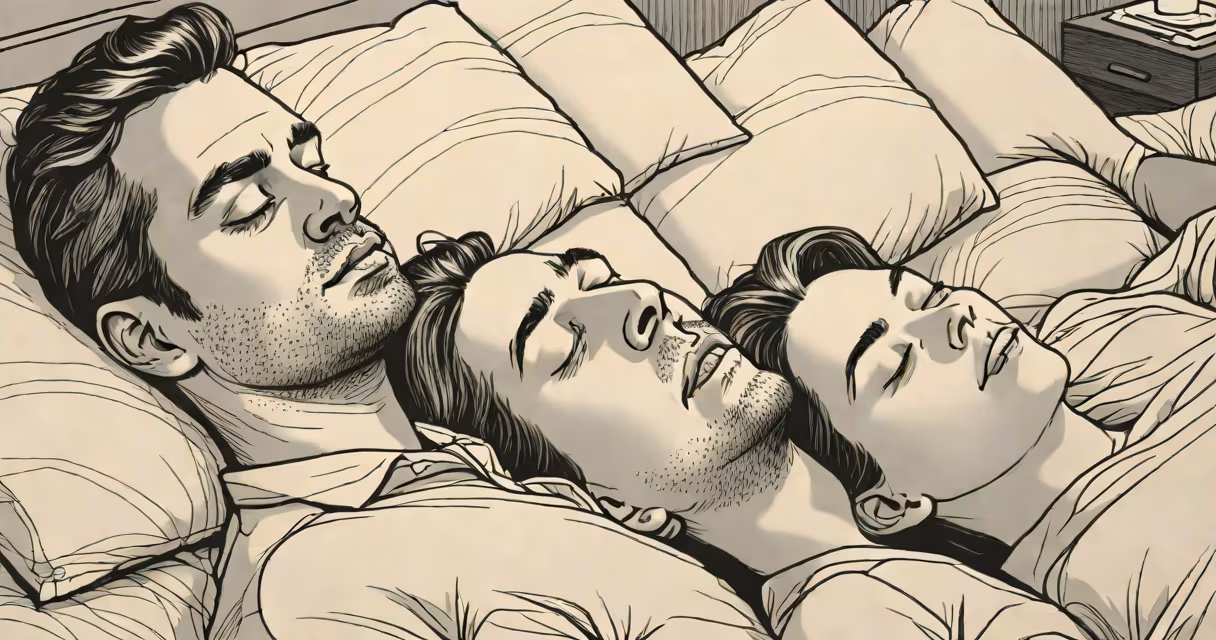
Snoring occurs when airflow through the mouth and nose is partially blocked during sleep, causing vibrations in the throat tissues. It affects about 40% of adult men and 20% of women, often disrupting both the snorer's and their partner's rest.
Common causes include relaxed throat muscles, enlarged tonsils, nasal congestion, or obesity. While occasional snoring is normal, chronic loud snoring may indicate obstructive sleep apnea-a condition requiring medical evaluation.
Simple lifestyle changes and over-the-counter tools can reduce snoring in many cases. For persistent issues, a healthcare provider may recommend a sleep study or continuous positive airway pressure (CPAP) therapy.
During sleep, the muscles in the throat relax. This narrowing of the airway increases resistance to airflow, making the soft tissues vibrate-producing the sound we recognize as snoring.
Several factors contribute to this process. A deviated septum or swollen nasal passages restrict airflow through the nose. Mouth breathing bypasses natural filtration and dries out the throat, increasing vibration risk. Alcohol consumption before bed further relaxes throat muscles, worsening snoring.
The American Academy of Sleep Medicine notes that snoring is more common in people with a narrow upper airway, excess neck fat, or a recessed chin. These anatomical traits increase the likelihood of airway collapse during sleep.
Nasal strips-adhesive bands placed across the bridge of the nose-widen the nasal passages. A 2016 study published in Journal of Clinical Sleep Medicine found they reduced snoring intensity in 62% of participants by improving nasal airflow.
Positional therapy involves training someone to sleep on their side rather than on their back. Back sleeping increases tongue fall-back and airway obstruction. Using a tennis ball sewn into the back of a shirt or a specialized pillow can maintain side-sleeping posture.
Oral appliances, such as mandibular advancement devices, reposition the jaw forward to open the airway. The American Dental Association reports these devices reduce snoring in 70% of users with mild to moderate sleep apnea.
| Method | Effectiveness (Based on Studies) | Best For |
|---|---|---|
| Nasal strips | Reduces snoring in 62% of users | Nasal congestion, mild snoring |
| Side-sleeping aids | Improves airflow in 55% of cases | Back sleepers, positional snoring |
| Mandibular advancement device | Reduces snoring in 70% of mild-moderate apnea cases | Teeth alignment issues, jaw structure |
Weight loss can reduce snoring. A 2019 study in Sleep Medicine showed that losing 10% of body weight led to a 50% reduction in apnea events and snoring frequency among overweight adults.
I once used a $12 nasal strip set with my partner who snored nightly. After two weeks, his snoring dropped from audible throughout the night to occasional light sounds. He reported better morning energy and fewer headaches.
Snoring isn't always harmless. If your boyfriend snores loudly every night, pauses in breathing, gasps for air, or feels excessively tired during the day, he may have obstructive sleep apnea (OSA).
OSA increases the risk of high blood pressure, heart disease, and stroke. The National Heart, Lung, and Blood Institute states that untreated OSA raises cardiovascular mortality by 30%. A formal diagnosis requires a polysomnography sleep study.
If snoring persists despite lifestyle changes and over-the-counter tools, consult a sleep specialist. They may recommend a CPAP machine, which delivers constant air pressure to keep the airway open during sleep.
Many assume snoring is just a nuisance. But it's a sign of disrupted breathing. One myth is that snoring only happens when someone is drunk. Alcohol worsens snoring, but it's not required for it to occur.
Another error is using earplugs as a long-term solution. Earplugs mask the sound but don't address the root cause. They may even increase stress for the snorer, who wakes up startled by sudden silence.
Some believe surgery is the only fix. While procedures like uvulopalatopharyngoplasty (UPPP) exist, they're invasive and not always effective. Most experts recommend trying non-invasive options first.
Start with a simple experiment: track snoring frequency for one week using a free app like Sleep Cycle or SnoreLab. Note patterns-does it happen more after alcohol, or during certain sleep stages?
Then try one evidence-based remedy. Nasal strips cost under $10 and are available at most pharmacies. If those don't help, consider a side-sleeping pillow or a dental appliance.