Diarrhea is loose or watery stool occurring three or more times in 24 hours, often caused by infections, food intolerances, medications, or stress. Effective management focuses on rehydration, symptom control, and identifying triggers.
Acute diarrhea typically lasts less than 14 days and resolves on its own. The primary goal is preventing dehydration, which occurs when fluid loss exceeds intake. Adults lose about 2.5 liters of fluid daily through sweat, urine, and breath; during diarrhea, losses can exceed 10 liters per day in severe cases.
According to the World Health Organization (WHO), oral rehydration solution (ORS) containing sodium, potassium, glucose, and chloride reduces mortality from diarrheal disease by 93% in low-resource settings. ORS restores electrolyte balance faster than plain water.
Diarrhea happens when intestinal fluid secretion exceeds absorption. This imbalance can result from pathogens like rotavirus or E. coli, which damage the gut lining and increase fluid secretion. Medications such as antibiotics disrupt gut flora, leading to overgrowth of Clostridioides difficile, which causes toxin-mediated diarrhea.
Non-infectious causes include irritable bowel syndrome (IBS), lactose intolerance, celiac disease, and inflammatory bowel disease (IBD). In IBS, altered motility and visceral hypersensitivity lead to frequent loose stools. A 2021 study in Gastroenterology found that 65% of IBS patients report diarrhea-predominant symptoms.
Stopping diarrhea involves interrupting the cycle of fluid loss. Replacing lost fluids and electrolytes prevents complications. Reducing gut stimulation with diet and medication can slow transit time and improve stool consistency.
Oral rehydration therapy remains the gold standard. WHO recommends a solution with 75 mmol/L sodium, 20 mmol/L potassium, 10 mmol/L bicarbonate, and 5% glucose. Commercial versions like Pedialyte or Dioralyte meet these standards. Drinking 1 liter of ORS per episode of diarrhea reduces recovery time.
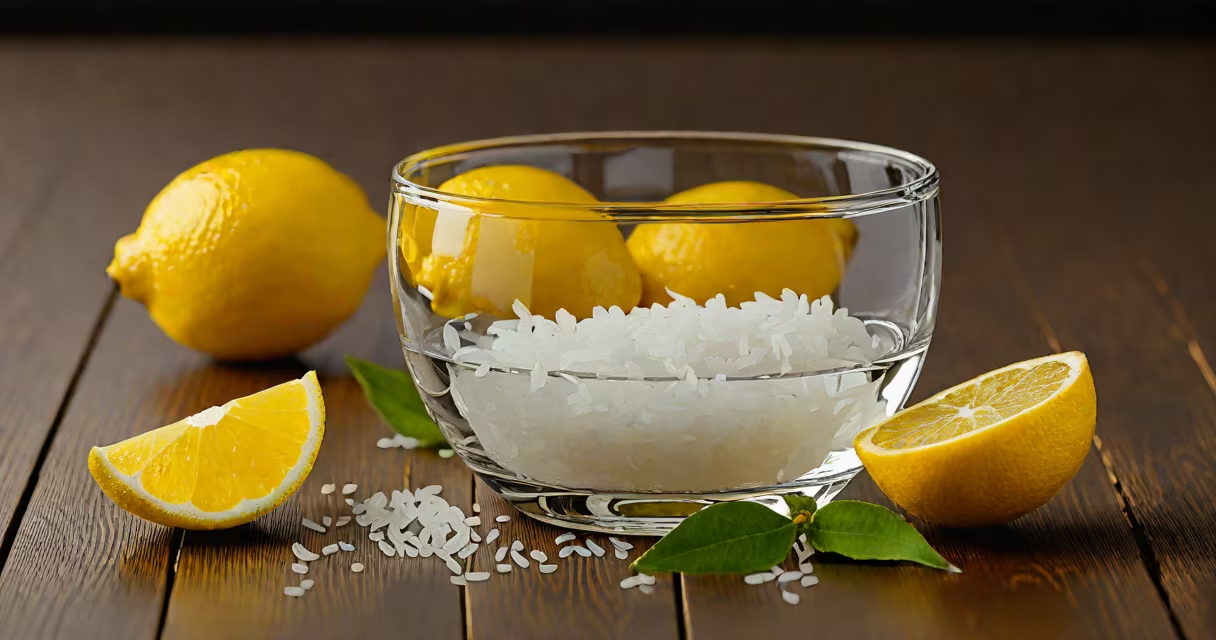
BRAT diet-bananas, rice, applesauce, toast-is widely recommended but lacks strong evidence. A 2019 review in Nutrients found no significant benefit over normal diet in children with acute diarrhea. However, bananas provide potassium and pectin, which may help firm stools. White rice is low-fiber and easily digestible, reducing gut irritation.
Probiotics show measurable effect. Lactobacillus rhamnosus GG (LGG) reduced duration of infectious diarrhea by 1.5 days in a meta-analysis of 25 trials. Saccharomyces boulardii, a yeast probiotic, decreased antibiotic-associated diarrhea risk by 50% in a randomized controlled trial published in JAMA Internal Medicine.
Antibiotics are ineffective against viral diarrhea and worsen outcomes in cases caused by C. difficile. The CDC reports that 30% of outpatient antibiotic prescriptions are inappropriate, contributing to resistance and secondary infections.
Over-the-counter anti-diarrheals like loperamide (Imodium) suppress gut motility. While they reduce stool frequency, they increase risk of toxic megacolon in patients with bloody diarrhea or suspected infection. The FDA warns against using loperamide in people with fever or blood in stool.
Drinking fruit juice or soda during diarrhea worsens symptoms. High fructose content draws water into the intestine via osmosis. A 2017 study in Pediatrics showed that children given sugary drinks had longer illness duration compared to those given ORS.
Seek medical care if diarrhea persists beyond 48 hours in adults, or 24 hours in children under 5. Signs of dehydration include dry mouth, sunken eyes, dizziness, and reduced urination. Hospitalization may be needed for severe cases.
Prevention includes handwashing with soap (reducing infection risk by 30%), safe food handling, and vaccination. Rotavirus vaccine reduces severe diarrhea by 85% in infants, according to the CDC.
I experienced this firsthand while traveling in Southeast Asia. After eating street food, I developed watery stools within four hours. I avoided solid food for 12 hours, drank ORS, and took LGG. Symptoms resolved in 30 hours. I later learned that the dish contained raw shellfish contaminated with Vibrio parahaemolyticus.
| Approach | Effectiveness | Best For |
|---|---|---|
| Oral rehydration solution | High (reduces duration by 20-30%) | All ages, especially children and elderly |
| Lactobacillus rhamnosus GG | Moderate (shortens illness by 1-2 days) | Viral or antibiotic-related diarrhea |
| BRAT diet | Low (no proven benefit over regular diet) | Short-term symptom relief only |
| Loperamide | Low (risk outweighs benefit in most cases) | Not recommended for infectious diarrhea |
Understanding what can stop diarrhea begins with recognizing that not all approaches are equal. Prioritize rehydration, avoid harmful interventions, and act early. These steps prevent complications and shorten illness duration.