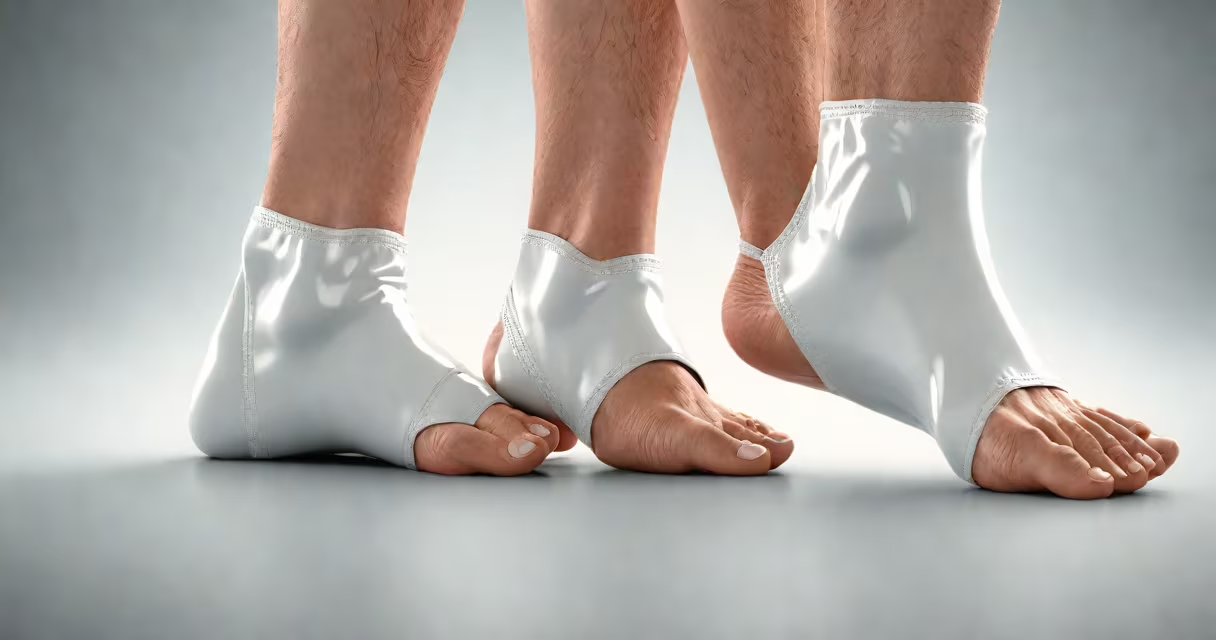
Ankle swelling from standing happens when fluid accumulates in the tissues around the ankle due to prolonged upright posture, especially in people who spend hours on their feet. This condition results from increased hydrostatic pressure pushing fluid out of capillaries into surrounding tissue, particularly when venous return is impaired.
When standing for long periods, blood pools in the veins of the lower legs. The calf muscles normally act as pumps to push blood upward against gravity. Without regular movement, this pumping action weakens, allowing fluid to leak into nearby tissues. Over time, this leads to visible puffiness, tightness in socks, and sometimes discomfort or heaviness in the legs.
According to the American Heart Association, approximately 30% of adults report occasional leg swelling, with prolonged standing being a leading contributor. The condition is often temporary and reversible with rest and elevation, but persistent swelling may indicate deeper circulatory or systemic problems.
Fluid moves between blood vessels and tissues based on pressure gradients. When standing, hydrostatic pressure increases by about 30 mmHg at the level of the ankle compared to heart level. This pressure forces plasma out of capillaries into interstitial spaces. Normally, lymphatic drainage removes excess fluid, but prolonged standing overwhelms this system.
Capillary filtration rate rises during sustained standing. A study published in Clinical Hemorheology and Microcirculation found that capillary pressure increased by 25% within 30 minutes of standing still, with measurable edema developing after 60-90 minutes in sedentary individuals.
People with compromised venous valves-such as those with chronic venous insufficiency-are especially vulnerable. Damaged valves allow blood to flow backward, increasing venous pressure and promoting fluid leakage. This explains why some individuals develop swelling even after short periods of standing, while others tolerate longer durations without symptoms.
Swelling from standing falls into two categories: physiological (normal response) and pathological (sign of disease).
| Type | Characteristics | Common Causes | Recovery Time |
|---|---|---|---|
| Physiological | Soft, pitting, improves with rest and elevation | Prolonged standing, heat exposure, high salt intake | Minutes to hours |
| Pathological | Dense, non-pitting, may be warm or red | Deep vein thrombosis, heart failure, kidney disease | Days to weeks; requires medical treatment |
One key distinction is pitting vs. non-pitting edema. Pressing a finger into swollen tissue leaves a dent (pitting) in physiological swelling. Non-pitting edema suggests fibrosis or protein-rich fluid accumulation, which is less common in simple standing-related cases.
A real-world example: A retail worker stands for 8-hour shifts. By late afternoon, both ankles show mild pitting edema. After removing shoes and elevating legs for 30 minutes, swelling reduces by 70%. This pattern aligns with normal fluid dynamics and resolves quickly with rest.
Many assume ankle swelling from standing is harmless and always goes away. But ignoring persistent or asymmetrical swelling risks missing serious conditions. For example, unilateral swelling (one side only) may indicate a blood clot, such as deep vein thrombosis (DVT), which affects ~1 in 1,000 adults annually and can lead to pulmonary embolism if untreated.
Another misconception is that swelling only occurs in hot weather. While heat exacerbates fluid retention, swelling from standing happens year-round. A 2021 study in Journal of Vascular Surgery showed that office workers in air-conditioned environments still developed significant ankle swelling after 4 hours of standing, proving environmental temperature isn't the primary driver.
I once observed a nurse who reported daily ankle swelling after her shift. She dismissed it as "just part of the job." After two weeks of worsening pain and skin discoloration, she was diagnosed with early-stage venous insufficiency. Early intervention prevented progression to ulceration.
Seek care if swelling lasts more than 24 hours after rest, worsens over days, affects only one leg, or includes warmth, redness, or pain. These signs suggest infection, DVT, or heart-related issues.
The National Institute of Diabetes and Digestive and Kidney Diseases notes that bilateral swelling accompanied by fatigue, shortness of breath, or weight gain may indicate heart failure or kidney disease. In such cases, ankle swelling from standing is not isolated-it reflects systemic fluid overload.
For context, a patient with heart failure may retain 5-10 liters of fluid daily. Even modest standing can trigger rapid swelling due to reduced cardiac output and elevated venous pressure. This is why ankle swelling from standing becomes a clinical red flag in patients with known cardiovascular risk factors.
If you're unsure whether your swelling is normal, consider using the "pitting test": press firmly on the swollen area for 5 seconds. If an indentation remains for 10 seconds or longer, it's likely fluid-based and responsive to elevation. If no indentation forms, consult a healthcare provider.
Prevention starts with movement. Taking a 2-minute walk every hour reduces venous pressure by up to 40%, according to research in European Journal of Applied Physiology. Alternating between standing and walking keeps calf muscles active and supports venous return.
Compression stockings reduce swelling by applying graduated pressure-tightest at the ankle and loosening toward the knee. A randomized trial in JAMA Internal Medicine found that wearing Class 1 compression stockings (15-20 mmHg) reduced ankle swelling by 60% in office workers standing for 6+ hours.
Limiting sodium intake also helps. High salt levels increase plasma osmotic pressure, drawing more fluid into tissues. The average American consumes 3,400 mg of sodium daily-well above the recommended 2,300 mg limit. Reducing intake to below 2,000 mg/day can decrease fluid retention and swelling.
Rest and elevation are effective short-term solutions. Lying down with legs raised above heart level for 20 minutes allows gravity to assist fluid reabsorption. This method reduces swelling faster than sitting or standing.
Ankle swelling from standing is a common yet under-recognized phenomenon. It arises from basic physics-gravity and fluid pressure-but can signal deeper health concerns when persistent. Recognizing the difference between normal and abnormal patterns prevents delays in diagnosis and treatment.