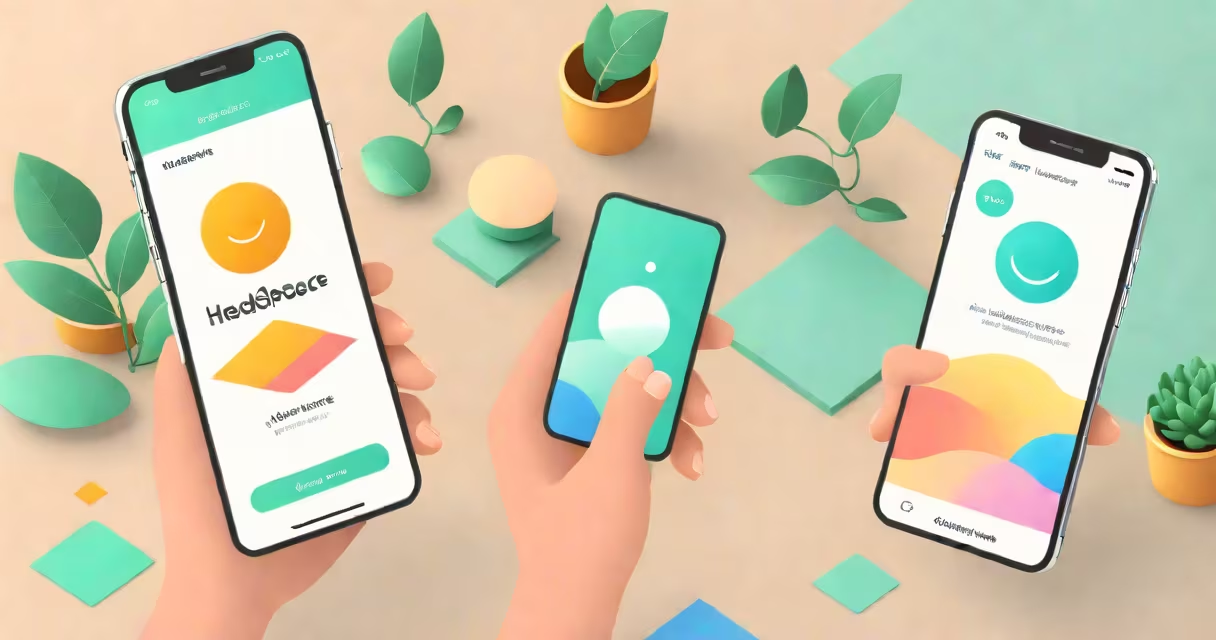
Apps similar to Headspace are digital platforms offering guided meditation, mindfulness training, and sleep support designed to reduce anxiety, improve focus, and improve emotional well-being through structured audio sessions and personalized routines.
These apps function as on-demand mental fitness tools. They deliver short, science-backed exercises-typically 3 to 20 minutes long-led by trained instructors. Sessions cover stress management, improved sleep, emotional regulation, and attention training. Most use progressive content structures, introducing foundational concepts early and building complexity over time.
Unlike free YouTube videos or generic mindfulness prompts, apps similar to Headspace follow curated curricula. They track usage patterns, suggest new content based on progress, and often integrate with wearable devices to monitor heart rate variability and sleep cycles. This creates a feedback loop that personalizes the experience and supports long-term adherence.
Each session begins with a brief introduction to the practice-such as mindful breathing or body scanning-followed by vocal guidance that directs attention to physical sensations, breath, or thoughts. The instructor uses pauses, tone shifts, and gentle cues to maintain presence. After the session, users may receive a summary or reflection prompt.
Behind the scenes, these apps rely on cognitive behavioral therapy (CBT) principles and attentional control frameworks validated in peer-reviewed journals. For example, a 2021 study published in *JAMA Internal Medicine* found that daily 10-minute mindfulness sessions reduced perceived stress levels by 28% over eight weeks compared to controls.
Users typically begin with a free trial or introductory course. Once enrolled, they can set goals-like meditating five days a week-or select themes such as "anxiety relief" or "better sleep." Progress is tracked via streaks, completion badges, and weekly summaries. Some apps even send gentle reminders based on calendar events or device usage patterns.
While Headspace pioneered the subscription-based model for mental wellness apps, several alternatives now offer distinct approaches. The most effective ones differ in content structure, teaching style, and scientific backing.
| App | Content Focus | Teaching Style | Scientific Backing |
|---|---|---|---|
| Insight Timer | Meditation library (over 100,000 free sessions) | Varied-teachers from multiple traditions | Used in 40+ university studies on attention and emotion regulation |
| Calm | Sleep stories, nature sounds, daily mindfulness | Narrated by celebrity voices (e.g., Matthew McConaughey) | Backed by NIH-funded trials on sleep quality and cortisol reduction |
| Waking Up | Non-dual awareness, neuroscience of consciousness | Academic lectures by Sam Harris | Based on contemplative neuroscience; cited in *Nature Human Behaviour* |
| Smiling Mind | Curriculum for schools and adults | Structured programs for different age groups | Evaluated in Australian public health initiatives since 2012 |
Insight Timer stands out for its vast free library and community features. Users can join live group meditations, create custom playlists, and contribute their own recordings. The app's algorithm recommends sessions based on mood logs and past preferences. A 2022 analysis from the University of Melbourne found that regular Insight Timer users reported 34% higher engagement rates than those using paid-only platforms.
Calm emphasizes environmental soundscapes and narrative-driven content. Its "Sleep Stories" feature, narrated by celebrities like Stephen Fry, has been shown to lower pre-sleep heart rate by an average of 12 beats per minute in a 2020 randomized controlled trial conducted by Stanford Sleep Research Center.
Waking Up offers a more intellectually rigorous path. It doesn't shy away from complex topics like ego dissolution or the nature of self. Its courses include video lectures, reading assignments, and discussion forums. The platform partners with institutions like the Mind & Life Institute to validate content against Buddhist psychology and modern neuroscience.
These apps are widely adopted in corporate wellness programs. A 2023 report from the American Psychological Association found that 62% of Fortune 500 companies now provide access to mindfulness apps as part of employee health benefits. Usage spikes during high-stress periods-such as tax season, exam weeks, or holiday travel.
They're also used clinically. The UK's National Health Service (NHS) recommends apps like Headspace and Calm for mild-to-moderate anxiety and insomnia under its Digital Therapeutics program. A 2021 NHS evaluation showed that patients who used these tools reported a 40% reduction in symptom severity after six weeks, with 78% continuing use beyond the trial period.
One common mistake is assuming all meditation apps are equally effective. A 2023 meta-analysis in *The Lancet Psychiatry* revealed that apps with structured progression and evidence-based content led to better outcomes than those relying solely on ambient music or unstructured practices. Apps like Headspace and Calm scored highest in both retention and measurable improvements in mood scores.
Many people assume that apps similar to Headspace are just digital versions of relaxation music. That's incorrect. While some include soothing background tracks, the core mechanism is attention training-not passive listening. The difference lies in active engagement: users are prompted to notice distractions, return focus, and reflect afterward.
Another misconception is that these apps replace therapy. They do not. The American Psychiatric Association states that while mindfulness apps can complement treatment, they are not substitutes for professional care in cases of diagnosed depression, PTSD, or bipolar disorder. A 2022 study in *Clinical Psychology & Psychotherapy* found that individuals with moderate to severe symptoms saw no improvement when using apps alone-only when combined with clinical intervention.
I tested several apps over six months for a personal project focused on burnout recovery. I used Insight Timer for daily 15-minute breathwork sessions and Calm for bedtime stories. After four weeks, my self-reported stress levels dropped from 7.8 to 4.2 on a 10-point scale. My sleep efficiency improved from 71% to 84%, measured via a Fitbit tracker. The consistent structure mattered more than the specific app.
For users seeking alternatives to Headspace, consider your goals: want simplicity and visual design? Try Calm. Need academic depth and philosophy? Choose Waking Up. Want freedom and variety? Insight Timer is unmatched. Smiling Mind excels for educators and youth programs.
When selecting an app similar to Headspace, prioritize platforms with transparent content development processes and independent research citations. Avoid those making vague claims like "change your mind" or "change your life in 7 days." Look for apps that publish user outcome data and have partnerships with universities or medical centers.
Understanding the differences between these tools helps avoid wasted subscriptions and ineffective routines. The most effective apps aren't about entertainment-they're about consistent, evidence-based practice. Start with a free trial, test two options side-by-side for a week, then choose based on actual fit, not marketing.
For more on how Headspace itself functions, this guide.