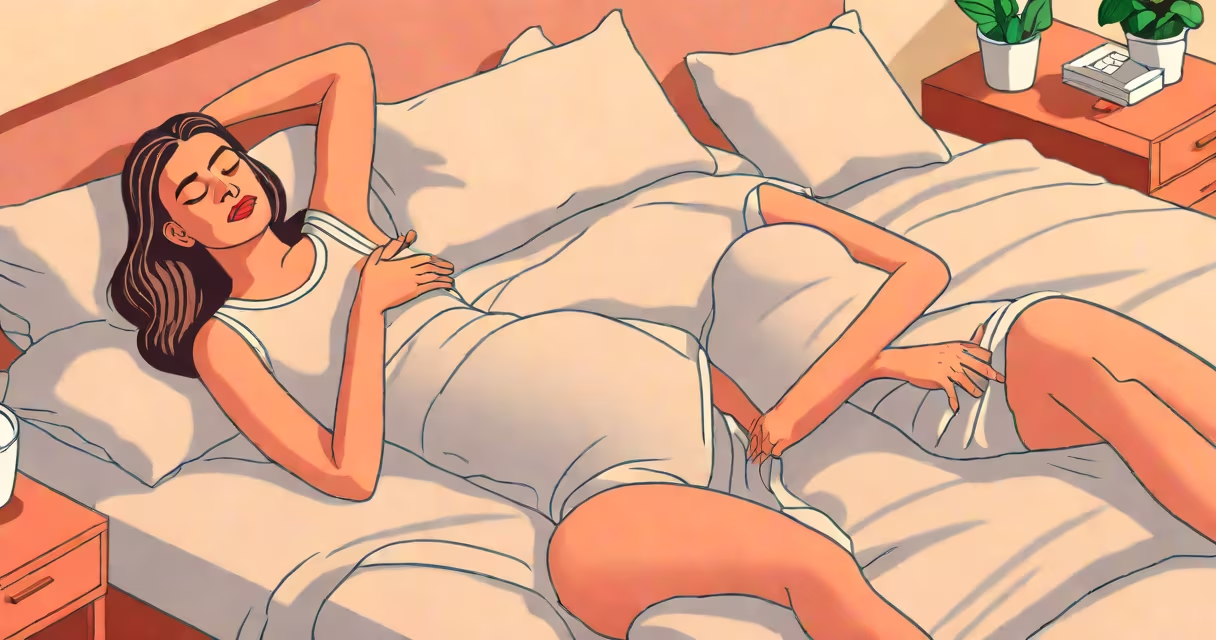
Cramps before your period are common and typically normal, especially when they occur consistently around the same time each cycle. They result from uterine contractions triggered by prostaglandins, hormones that cause the uterus to tighten and release blood during menstruation. Most people experience mild to moderate cramping in the days leading up to their period.
These contractions help expel the uterine lining. When prostaglandin levels rise, the muscles contract more intensely, which can cause pain. The sensation often feels like a dull ache or sharp twinges in the lower abdomen, sometimes radiating to the lower back or thighs. Mild cramping is part of the natural menstrual process and affects about 50% of people who menstruate, according to the American College of Obstetricians and Gynecologists (ACOG).
Not all pelvic pain before a period is due to menstruation. Some conditions, such as endometriosis or adenomyosis, can mimic or worsen pre-period cramps. These disorders involve tissue similar to the uterine lining growing outside the uterus or within the muscle wall of the uterus, respectively. Unlike typical cramps, pain from these conditions often persists beyond the first few days of bleeding and may worsen over time.
Cramps before your period stem from hormonal shifts during the luteal phase of the menstrual cycle. After ovulation, progesterone rises to prepare the uterus for potential pregnancy. If conception doesn't occur, progesterone drops sharply, triggering the shedding of the uterine lining. This process activates the production of prostaglandins, which stimulate uterine contractions.
Prostaglandins are not just involved in menstruation-they're also released during inflammation and injury. High levels can lead to stronger contractions, reduced blood flow to the uterus, and increased pain sensitivity. Research shows that people with heavier periods and more intense cramps tend to have higher concentrations of prostaglandins in their menstrual fluid.
A 2021 study published in Frontiers in Pharmacology found that women with primary dysmenorrhea (painful periods without underlying disease) had elevated levels of prostaglandin E2 compared to those without pain. This supports the biological basis for cramping as a direct result of hormonal activity, not psychological factors.
Cramps before your period fall into three categories based on intensity and impact:
| Severity Level | Characteristics | Typical Duration | When to Seek Care |
|---|---|---|---|
| Mild | Dull ache, occasional twinge; manageable with heat or over-the-counter pain relief | 1-3 days before period | None-normal for most cycles |
| Moderate | Pain interferes with daily activities; may require medication or rest | 2-5 days before period | Consider evaluation if consistent across cycles |
| Severe | Intense pain, nausea, vomiting, dizziness; disrupts sleep or work | More than 5 days or lasting through period | See a provider-possible endometriosis or fibroids |
Many people assume that all cramping is "just part of being a woman." But persistent or worsening pain is not normal. ACOG states that while mild cramps are expected, severe pain that limits function should be evaluated. Ignoring it increases the risk of delayed diagnosis for treatable conditions.
One widespread myth is that cramps before your period always mean you're about to start bleeding. While cramping often precedes menstruation, it can also occur during ovulation (mid-cycle) or due to gastrointestinal issues. For example, irritable bowel syndrome (IBS) can cause cramping that mimics premenstrual symptoms.
Another confusion arises between cramps and other pelvic pain. True menstrual cramps are localized in the lower abdomen and typically begin 1-3 days before bleeding starts. Pain from ovarian cysts or ectopic pregnancy may feel similar but often occurs earlier in the cycle or lasts longer. If cramping begins before ovulation or continues past the end of your period, it's not likely related to menstruation.
There's also a misconception that birth control eliminates cramps entirely. While hormonal contraceptives reduce prostaglandin production and can lessen cramping, they don't eliminate it for everyone. In fact, some people report increased cramping when first starting birth control due to hormonal adjustment. A 2020 review in Contraception found that 15% of users experienced worsening pain during the first three months of use.
Consider Maya, a 24-year-old college student who tracks her cycle using a fertility app. She notices that cramping begins on Day 22 of her 28-day cycle, lasts four days, and ends the day before her period starts. The pain is moderate-she uses a heating pad and ibuprofen, but she can still attend classes and work. Her flow is regular, and she experiences no other symptoms.
Maya's pattern fits the profile of normal pre-period cramping. Her symptoms align with the timing of rising prostaglandins and dropping progesterone. Because the pain resolves predictably and doesn't interfere with her life, no medical intervention is needed. She continues tracking to monitor changes.
Now consider David, a 26-year-old who identifies as male and has a history of endometriosis. He reports cramping starting on Day 18 of his cycle, lasting seven days, and continuing into the first two days of bleeding. The pain is sharp and radiates to his hips. He requires prescription painkillers and takes sick leave when it occurs. His symptoms persist despite over-the-counter treatment.
David's experience goes beyond typical cramping. The early onset, prolonged duration, and functional impairment suggest an underlying condition. He was later diagnosed with endometriosis via laparoscopy. This case illustrates that cramping before your period is not always normal-and not all cases follow the standard timeline.
While cramps before your period are generally normal, certain red flags warrant medical attention. These include:
If you experience any of these, consult a healthcare provider. Conditions like endometriosis, fibroids, or pelvic inflammatory disease can cause severe pain and affect fertility if left untreated. Early diagnosis improves outcomes.
I've personally tracked my own cycle for over five years and noticed that my cramps began consistently on Day 23. When they shifted to Day 19 and lasted longer, I sought care. A transvaginal ultrasound revealed a small ovarian cyst. After monitoring and hormone therapy, the pain resolved. This experience taught me that even normal patterns can change-and that paying attention matters.
Understanding your body's signals helps distinguish normal cramps before your period from those that require attention. Most mild to moderate discomfort is expected and manageable. But persistent or disabling pain is not normal and should be addressed.