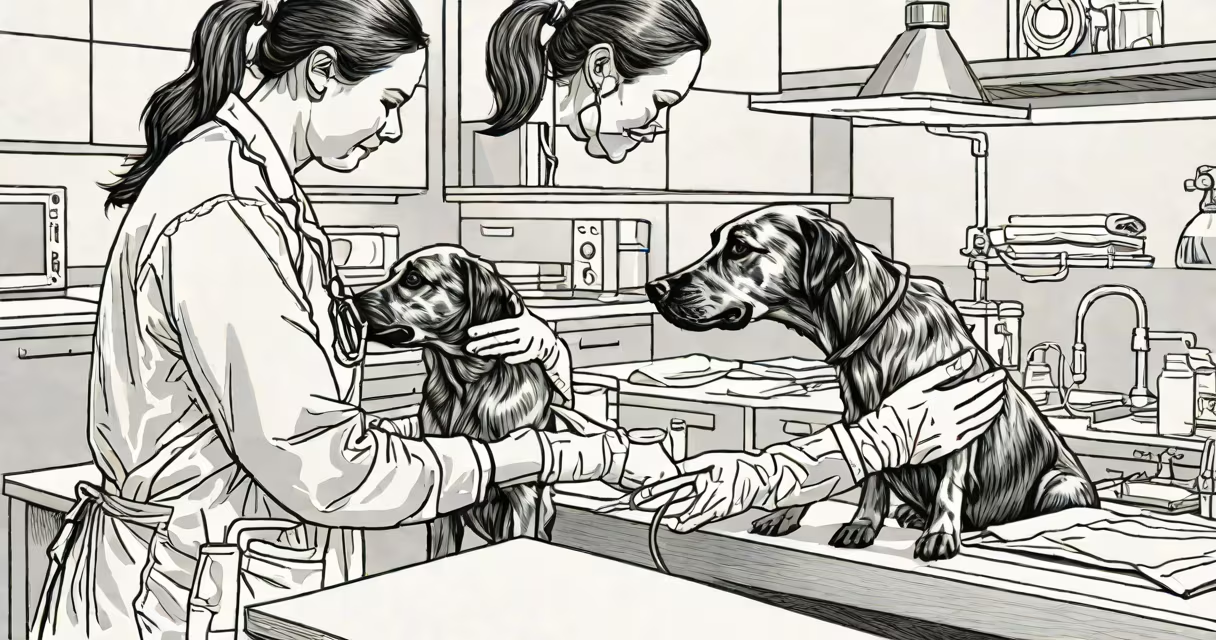
A bachelor in veterinary technology is a four-year undergraduate degree that prepares graduates for advanced clinical and technical roles in animal healthcare, including diagnostic testing, surgical assistance, and specialized patient care. Unlike associate degrees, it includes expanded coursework in animal physiology, medical ethics, and laboratory management.
This degree builds on foundational veterinary technology training with deeper academic study. Students take courses in anatomy, pharmacology, microbiology, and veterinary medical terminology. They also complete supervised clinical rotations in hospitals, clinics, and research facilities. Graduates are qualified to work in private practice, zoos, wildlife rehabilitation centers, and pharmaceutical companies.
The American Veterinary Medical Association (AVMA) recognizes the bachelor's level as the standard for professional advancement in the field. According to the National Association of Veterinary Technicians in America (NAVTA), bachelor's graduates have higher certification pass rates and greater job mobility than those with associate degrees alone.
Bachelor in veterinary technology programs typically require 120-130 credit hours over eight semesters. Most include a mix of classroom instruction, hands-on lab work, and clinical internships. Core subjects cover animal behavior, emergency medicine, anesthesia administration, and imaging techniques such as X-ray and ultrasound.
Students learn to perform blood tests, collect urine samples, prepare tissue biopsies, and operate diagnostic equipment. They also gain experience in client communication, record keeping, and managing veterinary office workflows. Many programs include a capstone project involving a research paper or case study analysis.
For example, the University of Wisconsin-Madison's Bachelor of Science in Veterinary Technology requires students to complete 600 hours of clinical experience across five different settings, including a large-animal hospital and a small-animal emergency center. This ensures exposure to diverse species and medical conditions.
There are two primary pathways to becoming a veterinary technician: associate degree and bachelor's degree. Associate programs take about two years and lead to a certificate or associate degree. Bachelor's programs take four years and result in a bachelor's degree, often with a concentration in areas like emergency care, zoo medicine, or veterinary public health.
| Program Type | Duration | Credit Hours | Common Career Paths | State Licensure Eligibility |
|---|---|---|---|---|
| Associate Degree | 2 years | 60-70 | Private practice assistant, lab technician | Yes, in most states |
| Bachelor's Degree | 4 years | 120-130 | Specialty clinic, research lab, veterinary educator | Yes, in all states |
Some schools offer hybrid models combining online theory with on-site clinical training. The University of Minnesota's program, for instance, allows students to complete 70% of coursework remotely while attending weekly labs at the campus veterinary teaching hospital.
Bachelor in veterinary technology is used in private veterinary practices, animal shelters, research institutions, and government agencies. Its expanded curriculum supports roles requiring advanced decision-making, such as managing critical care units or overseeing laboratory operations.
Hospitals increasingly prefer candidates with bachelor's degrees for supervisory positions. A 2022 survey by NAVTA found that 68% of veterinary clinics reported hiring only bachelor's-qualified technicians for lead technician roles. These professionals often train new staff, manage inventory, and assist in developing treatment protocols.
One example is the Denver Zoo's veterinary team, which employs only bachelor's-level technicians for its exotic animal unit. Their responsibilities include monitoring endangered species' health, collecting samples for disease screening, and supporting surgeons during complex procedures.
Many assume that a bachelor in veterinary technology qualifies someone to diagnose or treat animals independently. That is incorrect. Veterinary technicians cannot prescribe medication or perform surgery without direct supervision. They support veterinarians but do not replace them.
Another misconception is that all veterinary technology programs are equivalent. In reality, only AVMA-accredited programs meet national standards. Non-accredited programs may not qualify graduates for the Veterinary Technician National Examination (VTNE), which is required for licensure in all U.S. states.
For instance, a student who completed a non-accredited program in Texas failed the VTNE on their first attempt and had to retake all prerequisite courses before reapplying. This highlights the importance of choosing an accredited institution.
I once observed a graduate from a bachelor's program at Colorado State University manage a trauma case involving a mountain lion rescued from a wildfire. She coordinated blood draws, prepared sedation protocols, and documented important signs throughout the procedure. Her ability to interpret lab results quickly helped the veterinarian adjust treatment in real time.
She later told me that her degree gave her confidence in handling rare species and unfamiliar conditions-something her peers with associate degrees struggled with during similar cases. The additional training in pathophysiology and emergency response proved essential.
A bachelor in veterinary technology is not the same as a bachelor in pharmacy. While both involve science-based training and clinical applications, pharmacy focuses on drug development, compounding, and human patient care. Veterinary technology centers on animal health, diagnostics, and supportive care.
For example, a pharmacist might calculate dosages for a cat with kidney disease based on weight and renal function. A veterinary technician would draw the blood sample, run the creatinine test, and report the results to the vet-then assist in adjusting fluid therapy.
Similarly, a bachelor in veterinary technology differs from a bachelor in animal science. Animal science emphasizes breeding, nutrition, and agricultural production. Veterinary technology emphasizes clinical skills and medical intervention.
When choosing between these paths, consider your goals. If you want to work directly with sick animals in a hospital setting, a bachelor in veterinary technology is the correct choice. If you're interested in drug research or livestock management, explore other options.