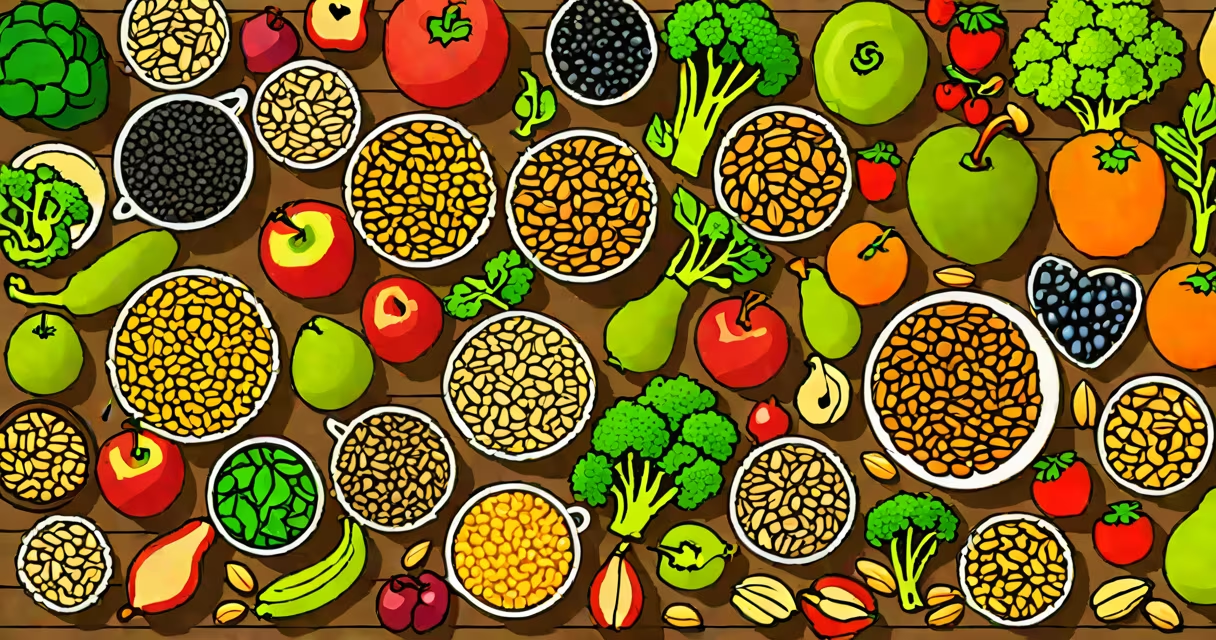
Foods with fibre are plant-based items rich in indigestible carbohydrates that support digestive health, regulate blood sugar, and reduce cholesterol. These include whole grains, legumes, vegetables, fruits, nuts, and seeds. The recommended daily intake is 25 grams for women and 38 grams for men, according to the Institute of Medicine.
Dietary fibre passes through the small intestine undigested and reaches the large intestine, where it feeds beneficial gut bacteria. Soluble fibre dissolves in water to form a gel-like substance that slows digestion and helps lower LDL cholesterol. Insoluble fibre adds bulk to stool and speeds transit time, reducing constipation risk. A 2021 review in The Lancet linked higher fibre intake to a 15-30% lower risk of heart disease, stroke, type 2 diabetes, and colorectal cancer.
Whole foods naturally contain both types of fibre. Processed foods often lose fibre during refinement. For example, white rice has 0.4 grams of fibre per 100 grams, while brown rice contains 3.5 grams. The difference arises because milling removes the bran and germ layers, which house most of the fibre. Choosing minimally processed options maximizes fibre benefits.
Fibre falls into two categories based on solubility and function. Soluble fibre dissolves in water and forms a viscous gel. It slows gastric emptying and moderates glucose absorption. Foods rich in soluble fibre include oats, barley, legumes, apples, and citrus fruits. A 1-cup serving of cooked oatmeal provides 4 grams of soluble fibre, contributing to daily goals.
Insoluble fibre does not dissolve in water. It adds bulk to stool and promotes regular bowel movements. Whole wheat, bran, nuts, seeds, and many vegetables contain insoluble fibre. Broccoli offers 2.6 grams per 100 grams, while a medium baked potato with skin delivers 3.8 grams. These foods help prevent diverticular disease and reduce colon cancer risk, per research published in Frontiers in Nutrition.
| Fibre Type | Key Food Sources | Typical Amount per 100g |
|---|---|---|
| Soluble | Oats, lentils, apples, chia seeds | 2.5-4.5g |
| Insoluble | Whole wheat bread, broccoli, almonds, brown rice | 2.0-4.0g |
One common misconception is that all high-fibre foods cause bloating. While sudden increases in fibre intake can lead to gas and discomfort, gradual introduction allows gut microbiota to adapt. A 2019 study in Nutrients found that participants who increased fibre slowly reported fewer gastrointestinal symptoms than those who jumped to 40 grams daily.
Consuming adequate fibre reduces the risk of chronic diseases. A 2020 meta-analysis in BMJ showed that for every 7 grams of fibre consumed daily, the risk of coronary heart disease dropped by 9%. High-fibre diets also improve insulin sensitivity. A 2022 trial in Diabetes Care demonstrated that individuals with prediabetes who ate 30 grams of fibre daily saw a 23% improvement in HbA1c levels over six months.
Fibre supports weight management by increasing satiety. A 2015 study in Obesity found that people consuming 30 grams of fibre daily ate 150 fewer calories per day compared to those on low-fibre diets. This effect stems from slower gastric emptying and prolonged fullness signals to the brain.
When choosing foods with fibre, prioritize variety. Different fibres feed different bacterial strains. A diverse gut microbiome correlates with better immune function and reduced inflammation. Eating a mix of beans, berries, leafy greens, and whole grains ensures exposure to multiple fibre types.
Many assume that fibre supplements replace whole foods. They do not. Supplements like psyllium husk provide isolated fibre but lack vitamins, minerals, and phytonutrients found in whole foods. A 2023 review in Advances in Nutrition concluded that whole-food sources offer greater health benefits due to synergistic nutrient interactions.
Another error is equating "high-fibre" with "healthy." Not all high-fibre foods are nutritious. A granola bar may list 5 grams of fibre but also contain 12 grams of added sugar and hydrogenated oils. Always check the ingredient list and nutrition facts panel. Look for products with at least 3 grams of fibre per serving and minimal added sugars.
I once tracked my fibre intake for two weeks using MyFitnessPal and whole-food logs. On days I ate a breakfast of steel-cut oats with chia seeds and blueberries, I consistently met my daily goal. On days I relied on packaged snacks labeled "high-fibre," I fell short despite similar gram counts. The difference lay in nutrient density and processing level. Whole foods delivered more consistent energy and fewer blood sugar spikes.
Start your day with a bowl of oatmeal topped with sliced banana and a tablespoon of ground flaxseed. That single meal provides 10 grams of fibre. Add a side of steamed broccoli (5 grams per cup) and a small apple (4 grams) for lunch. Dinner with a lentil stew (15 grams per serving) and a mixed green salad with almonds (6 grams) pushes you well past the 25-gram mark.
For convenience, keep dried lentils, canned beans (rinsed to reduce sodium), and frozen berries on hand. A ½ cup of canned black beans contains 7.5 grams of fibre. Pair them with brown rice (5 grams per cup) for a complete protein and fibre-rich meal. Snack on raw almonds (3 grams per ounce) or a pear (5.5 grams).
When transitioning to a higher-fibre diet, increase intake gradually over 2-3 weeks. Drink plenty of water-fibre absorbs fluid and without hydration, it can worsen constipation. Aim for 8 cups of water daily alongside fibre-rich meals.
Some people confuse foods with fibre with low-FODMAP options. While both support gut health, they serve different purposes. Low-FODMAP foods limit fermentable carbs to ease IBS symptoms. Foods with fibre include FODMAPs like inulin (found in chicory root and onions). If you have IBS, work with a dietitian to balance fibre intake with symptom control. Explore low-gas alternatives for sensitive digestion.
Foods with fibre are foundational to long-term wellness. Prioritize whole, minimally processed plants to meet daily recommendations and reduce disease risk. Consistent intake supports gut health, stable energy, and healthy weight maintenance.