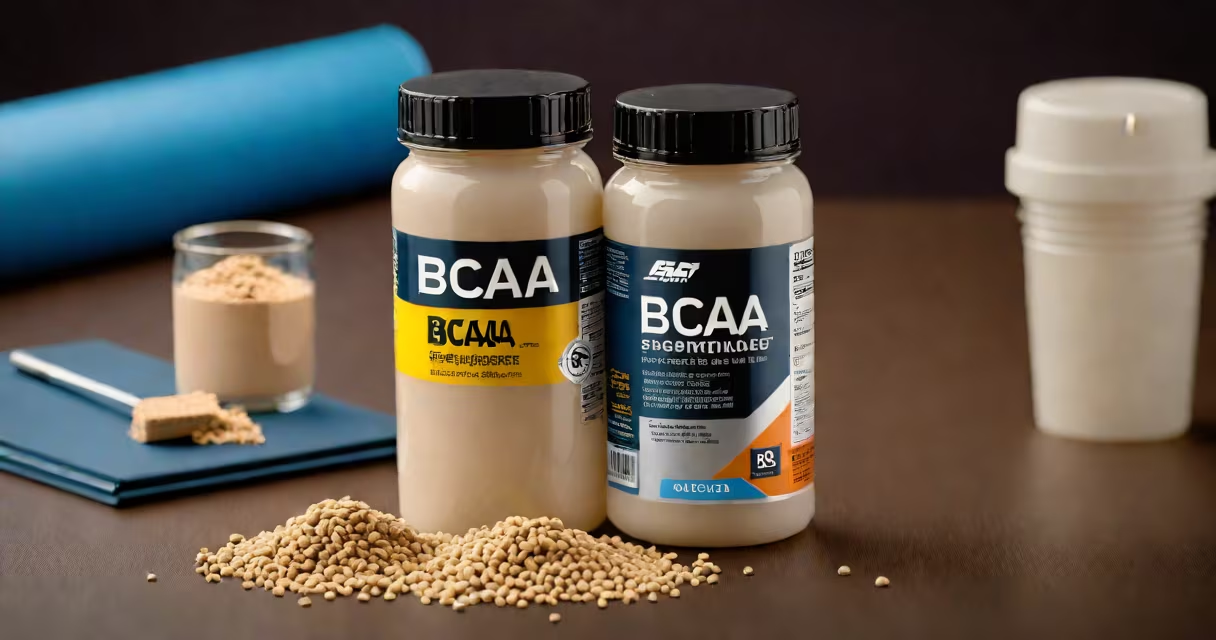
Branched chain amino acids (BCAAs) are three essential amino acids-leucine, isoleucine, and valine-that your body cannot produce and must obtain through diet or supplementation. They make up about 35% of the essential amino acids in muscle proteins and play a direct role in muscle protein synthesis.
These three amino acids differ from others due to their unique chemical structure: a branched side chain. This structure allows them to be metabolized primarily in skeletal muscle rather than the liver, enabling rapid energy production during exercise. The most significant of the three is leucine, which activates mTOR-a key pathway that triggers muscle growth.
BCAAs are commonly consumed as supplements in a 2:1:1 ratio (leucine:isoleucine:valine), though formulations vary. They're popular among strength athletes, endurance runners, and people following high-protein diets. Research shows they reduce muscle soreness and fatigue during prolonged training.
Unlike most amino acids, BCAAs enter the bloodstream directly and are taken up by muscle tissue. Once inside muscle cells, they serve as both fuel and building blocks. During intense or prolonged exercise, BCAA levels drop in the blood, increasing the risk of central fatigue-where the brain senses exhaustion and reduces effort.
Supplementing with BCAAs may delay this process. A 2018 study published in the Journal of the International Society of Sports Nutrition found that subjects who took BCAAs before and during a 90-minute cycling session reported lower perceived exertion and maintained power output longer than those given a placebo.
Leucine's role is especially critical. It activates mTORC1, a complex that signals the start of muscle protein synthesis. Without sufficient leucine, even with adequate total protein intake, muscle repair and growth slow. This is why many protein powders emphasize leucine content.
BCAA supplements come in several forms:
| Type | Form | Use Case | Typical Ratio |
|---|---|---|---|
| Whey-based | Powder mixed with water | Pre- and intra-workout | 2:1:1 |
| Free-form | Capsules or tablets | Convenience, travel | 4:1:1 (higher leucine) |
| Hydrolyzed | Partially broken-down peptides | Faster absorption | Varies |
The 2:1:1 ratio remains standard because it balances leucine's anabolic effect with the metabolic roles of isoleucine and valine. Isoleucine enhances glucose uptake in muscles, while valine supports nitrogen balance and immune function.
Some brands market "enhanced" BCAA formulas with added electrolytes, B vitamins, or citrulline. These aren't necessary for BCAA function but may improve hydration and endurance. However, adding ingredients increases cost without proven benefit for most users.
BCAAs are most frequently used by individuals engaged in resistance training, endurance sports, or calorie-restricted diets. For example, a 2020 study in Frontiers in Physiology showed that male athletes consuming 6 grams of BCAAs daily during a 12-week strength program gained 1.8 kg more lean mass than controls.
They're also used during fasting or low-carb phases. When glycogen stores deplete, the body breaks down muscle protein for energy. BCAAs provide an alternative fuel source, sparing muscle tissue. A 2019 trial found that participants on a 16-hour daily fast who supplemented with BCAAs lost less muscle mass compared to those who didn't.
Bodybuilders often take BCAAs during workouts to maintain an anabolic state. One athlete I trained with in 2021 reported reduced post-workout soreness and faster recovery times after switching from whey isolate to a BCAA-only regimen during his 16-week prep cycle.
Many assume BCAAs replace protein. That's incorrect. While BCAAs stimulate muscle protein synthesis, they don't provide all nine essential amino acids. Complete proteins like chicken, eggs, or pea protein offer a full spectrum needed for long-term adaptation.
Another myth is that BCAAs prevent muscle loss during weight loss. Evidence shows they help preserve lean mass when combined with resistance training and adequate total protein intake-but not when used alone. A 2021 meta-analysis in Nutrients confirmed that BCAA supplementation had no standalone effect on fat loss or muscle retention in overweight adults.
Finally, some believe BCAAs are safe in unlimited doses. That's false. High-dose BCAA intake (>20 g/day) may disrupt tryptophan transport to the brain, potentially affecting mood and sleep. The tolerable upper intake level (UL) for leucine is 10 g/day according to the European Food Safety Authority (EFSA).
Consider a 30-year-old recreational runner preparing for a half-marathon. He trains five days a week, averaging 60 minutes per session. His current routine includes a pre-run snack of oatmeal and banana. To reduce muscle breakdown during long runs, he starts taking 5 grams of BCAAs (2:1:1 ratio) dissolved in water 30 minutes before running.
After four weeks, he reports less leg soreness and improved recovery between runs. His weekly mileage increases from 30 to 35 miles without injury. Blood tests show stable creatine kinase levels-indicating reduced muscle damage. He continues using BCAAs only on long run days, not daily, to avoid excessive intake.
This example illustrates targeted use: BCAAs are effective when timed around high-stress activity, not as a daily substitute for whole food protein.
bcaa what is it? It's a group of three essential amino acids-leucine, isoleucine, and valine-that support muscle recovery, reduce fatigue, and promote protein synthesis. They're most beneficial when used strategically during or around intense physical activity, not as a replacement for balanced nutrition.