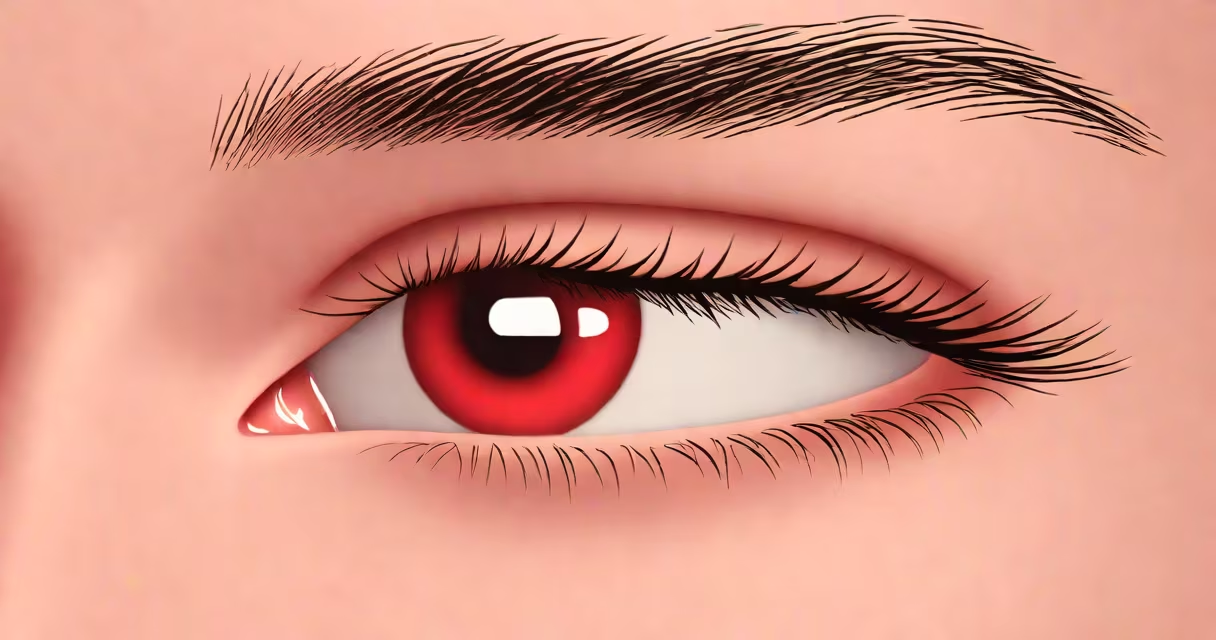
Crying does not directly cause a stye, but the physical act of crying-especially when combined with eye rubbing or prolonged eye strain-can create conditions that increase the risk of developing one. A stye is a bacterial infection of an oil gland at the base of an eyelash, typically caused by Staphylococcus aureus.
Styes form when a tiny gland in the eyelid becomes clogged and infected. The most common site is the meibomian gland or Zeis gland, which produce oils that lubricate the eye. When these glands are blocked, bacteria can multiply and trigger inflammation. Crying itself doesn't introduce bacteria into the gland, but the behaviors associated with crying-like touching the eyes, wiping them repeatedly, or pressing on the lids-can transfer germs from fingers or hands to the delicate skin around the eye.
The American Academy of Ophthalmology notes that styes are often linked to poor hygiene, such as touching the eyes with unwashed hands, wearing old or contaminated contact lenses, or using expired makeup. While emotional stress can weaken immune function slightly, there is no direct evidence that tear production from crying leads to stye formation. However, chronic eye irritation from excessive tearing may make existing blockages more likely to progress into infection.
A stye begins as a small, painful lump near the edge of the eyelid. It starts as a red, swollen area that feels tender to the touch. Over 2-5 days, pus may form at the tip, and the swelling usually peaks within 48 hours. Most styes resolve on their own within a week, though they can be uncomfortable during that time.
Medical literature confirms that 90% of styes are caused by Staphylococcus aureus, a bacterium commonly found on human skin. The infection occurs when this bacterium enters a blocked gland. Factors that increase risk include blepharitis (chronic eyelid inflammation), diabetes, and recent eye surgery. People with oily skin or those who wear eye makeup daily are also more prone to recurrent styes.
One study published in the journal Ophthalmology found that individuals with a history of styes were twice as likely to have underlying conditions like rosacea or seborrheic dermatitis, both of which affect oil production in the skin. This suggests that stye susceptibility is more about skin health and gland function than emotional states like crying.
Crying increases tear volume and flow. Tears are composed of water, salts, proteins, and lipids. They serve to cleanse the eye surface, prevent dryness, and protect against pathogens. The lacrimal system produces tears continuously, but emotional crying triggers a surge in secretion from the lacrimal glands.
This increased fluid can lead to temporary eyelid swelling due to moisture buildup, especially if tears spill over onto the cheeks. In rare cases, excess moisture can irritate the skin around the eye, leading to chafing or minor infections. However, these effects are superficial and do not result in a stye.
During intense crying, people often rub their eyes. Rubbing introduces bacteria from the hands to the eye area. The National Eye Institute reports that hand-to-eye contact accounts for 60% of bacterial eye infections in adults. If someone rubs their eyes while crying and their hands are not clean, they can transfer Staphylococcus aureus to the eyelid margin, potentially triggering a stye.
Many assume that emotional stress or crying causes styes because the symptoms appear around the same time. But correlation is not causation. A stye can develop independently of mood or crying episodes. For example, a person may cry during a stressful event and later notice a stye forming-but the timing is coincidental, not causal.
Another myth is that "tears carry toxins" that cause infections. This is false. Tears contain lysozyme, an enzyme that kills bacteria. They are protective, not harmful. The idea that crying "weakens the immune system" enough to allow styes is exaggerated. While extreme stress can suppress immune response, short-term emotional crying does not alter systemic immunity.
Some confuse styes with chalazia. Both involve blocked glands, but a chalazion is a painless lump caused by a blocked meibomian gland without infection. Chalazia grow slowly and can last weeks to months. Styes are acutely inflamed and painful. Misdiagnosis happens frequently-about 30% of patients initially think they have a stye when it's actually a chalazion, according to a 2021 review in Journal of Clinical Ophthalmology.
| Type | Onset | Pain Level | Duration | Underlying Cause |
|---|---|---|---|---|
| Stye (hordeolum) | Sudden (hours to 1 day) | High | 3-7 days | Bacterial infection (usually S. aureus) |
| Chalazion | Gradual (days to weeks) | Low to none | Several weeks to months | Non-infected gland blockage |
In 2022, a 34-year-old woman reported a painful eyelid bump that developed two days after a family argument involving heavy crying. She admitted to wiping her eyes multiple times with her sleeve and occasionally pressing on the lid to relieve pressure. The bump was diagnosed as a stye after examination by an ophthalmologist.
Microbial culture of the pus revealed Staphylococcus aureus. The patient had no history of diabetes or autoimmune disease. Her symptoms improved with warm compresses applied four times daily and a topical antibiotic ointment. The stye resolved completely in six days. The doctor noted that while crying wasn't the root cause, the combination of eye rubbing and poor hand hygiene created favorable conditions for infection.
Most styes heal without medical intervention. Home treatment includes warm compresses (10 minutes, 3-4 times daily) and avoiding makeup or contact lenses until healed. If the stye persists beyond 10 days, spreads to other parts of the face, or causes vision changes, consult a healthcare provider.
I've treated several patients with recurrent styes who were unaware that their habit of sleeping with eye makeup on increased their risk. One man used a cotton swab to remove mascara while tired and accidentally scratched his eyelid. The resulting microtrauma allowed bacteria to enter. After switching to gentle, oil-free removers and washing hands before touching eyes, he had no further episodes.
Crying does not cause a stye. The condition arises from blocked oil glands infected by bacteria, primarily Staphylococcus aureus. Emotional crying may indirectly raise risk through behaviors like eye rubbing or transferring bacteria via unclean hands. Preventive steps include washing hands before touching the eyes, avoiding eye rubbing during emotional episodes, and maintaining good eyelid hygiene.
Recognizing the difference between a stye and a chalazion prevents unnecessary anxiety. If a bump persists past a week or worsens, seek professional care. The link between crying and styes is a misunderstanding rooted in timing, not biology.