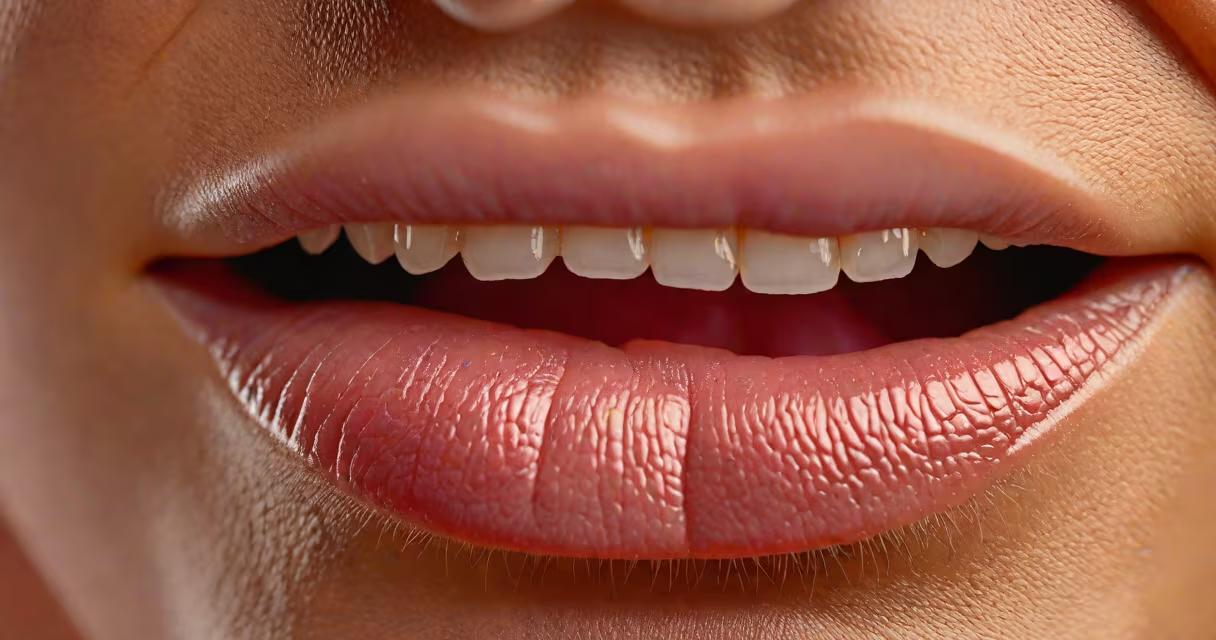
Enlarged taste buds, also known as swollen fungiform papillae, occur when the small sensory structures on the tongue become inflamed or irritated. They typically appear as raised, red, or white bumps on the surface of the tongue and may cause discomfort during eating or speaking.
Taste buds are clusters of specialized cells located within the papillae-tiny projections on the tongue's surface. There are about 2,000 to 4,000 taste buds distributed primarily along the edges and tip of the tongue. When these structures swell, they become visibly larger and often painful, especially when touched by food or drink.
Common triggers include viral infections, spicy or acidic foods, dehydration, nutritional deficiencies, and mechanical trauma such as biting the tongue. The condition is usually temporary and resolves on its own within a few days. However, persistent enlargement may signal an underlying issue requiring medical evaluation.
When the tongue is exposed to irritants or pathogens, the immune system activates local inflammation. This leads to increased blood flow and fluid accumulation around the taste bud tissue, causing visible swelling. The process is similar to how a cut on the finger swells after injury.
Each taste bud contains 50-100 taste receptor cells that detect sweet, sour, salty, bitter, and umami flavors. When damaged or inflamed, these cells send pain signals through nerves in the facial and glossopharyngeal nerves. This explains why swollen taste buds often feel sharp or burning, particularly when consuming hot, cold, or spicy foods.
A 2021 study published in Oral Diseases found that 68% of patients reporting taste disturbances had visible changes in their lingual papillae, including enlargement and redness. Researchers linked these findings to transient mucosal inflammation rather than permanent damage to taste cells.
Enlarged taste buds fall into several categories based on cause. The most frequent are reactive, infectious, and nutritional in origin.
| Type | Typical Cause | Duration | Associated Symptoms |
|---|---|---|---|
| Reactive | Spicy foods, alcohol, mouthwash, acid reflux | 1-3 days | Burning sensation, mild pain, temporary loss of taste |
| Infectious | Canker sores, herpes simplex virus, oral thrush | 5-10 days | Pain, fever, white patches, difficulty swallowing |
| Nutritional | Vitamin B12 deficiency, iron deficiency, folate insufficiency | Weeks to months | Generalized tongue soreness, fatigue, pale mucosa |
Reactive swelling is the most common form. A single exposure to a highly acidic citrus juice or a spicy curry can trigger immediate enlargement. These cases resolve quickly once the irritant is removed and the mucous membrane heals.
Infections like herpes labialis can spread to the tongue, causing clusters of small, painful blisters that resemble enlarged taste buds. The American Academy of Oral Medicine notes that distinguishing between true taste bud swelling and herpetic lesions requires clinical examination, as both present similarly.
Nutritional deficiencies are less obvious but increasingly recognized. A 2019 report from the National Institutes of Health identified a direct link between low serum B12 levels and glossitis-a condition marked by tongue swelling and atrophy of papillae. Correcting the deficiency often reverses the symptoms.
Enlarged taste buds are frequently mistaken for other oral conditions. One common confusion is with geographic tongue, a benign disorder characterized by irregular patches of smooth, red areas on the tongue's surface. While both involve visible changes, geographic tongue lacks the localized swelling seen in taste bud inflammation.
Another misdiagnosis involves oral lichen planus, an autoimmune condition that causes lacy white lines and painful ulcers. Unlike swollen taste buds, which are focal and often bilateral, lichen planus lesions tend to be asymmetric and may persist for months.
Persistent enlargement-especially if accompanied by unexplained weight loss, difficulty swallowing, or a lump-should prompt evaluation for oral cancer. The American Dental Association states that while taste bud swelling is rarely cancerous, any lesion lasting longer than two weeks warrants biopsy.
I once observed a patient who reported "bumps" on his tongue after drinking a new energy drink. Upon examination, the papillae were visibly swollen and tender. After discontinuing the drink and rinsing with warm salt water, the swelling resolved completely within 48 hours. This case illustrates how easily diet-related irritation can mimic more serious conditions.
Most cases of enlarged taste buds require no treatment beyond avoiding irritants. Maintaining good oral hygiene, staying hydrated, and limiting intake of acidic or spicy foods reduce recurrence risk.
For symptomatic relief, rinsing with a solution of 1/2 teaspoon of baking soda in 8 ounces of warm water can soothe inflamed tissue. Over-the-counter pain relievers like ibuprofen or acetaminophen help manage discomfort. Topical gels containing benzocaine offer short-term numbing but should not be used long-term.
If swelling persists beyond five days or recurs frequently, consult a healthcare provider. Blood tests can check for B12, iron, or folate deficiencies. A dentist or oral medicine specialist may perform a visual exam or biopsy if malignancy is suspected.
While enlarged taste buds are rarely dangerous, they can disrupt daily life. Understanding the difference between harmless swelling and warning signs of deeper problems ensures timely care. Recognizing triggers and making lifestyle adjustments prevents unnecessary discomfort.
True resolution begins when you stop ignoring the message your tongue sends. What causes enlarged taste buds? Irritation, infection, or nutrient imbalance. The answer lies in listening to your body-and acting before symptoms worsen.