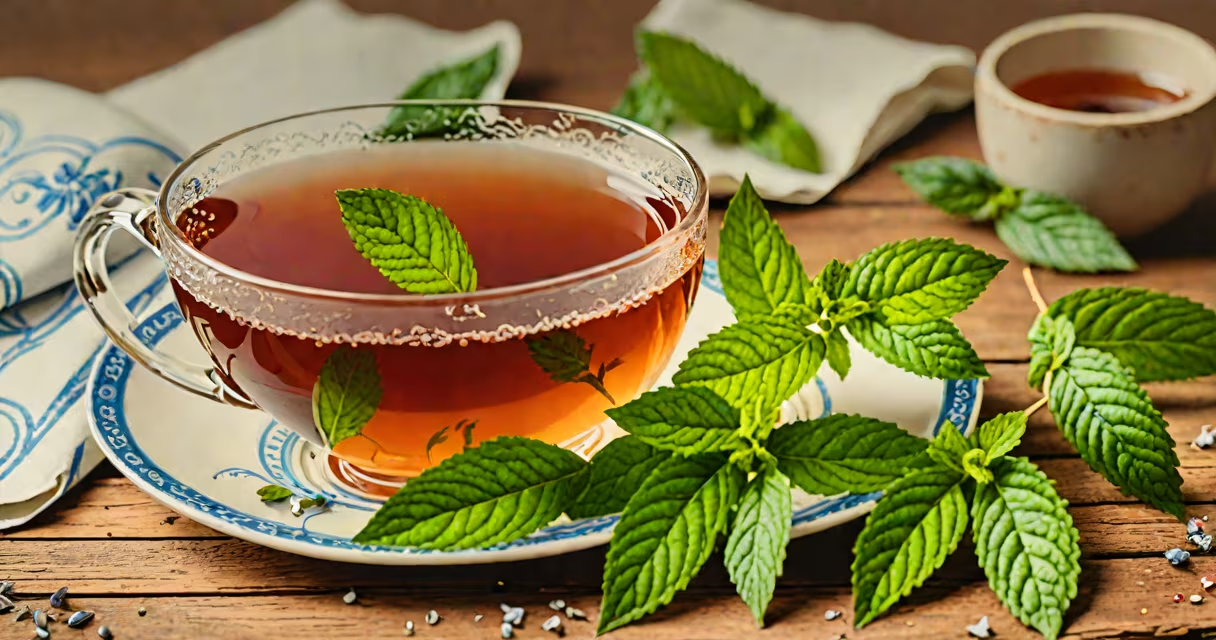
Peppermint tea may reduce stomach spasms, ease bloating, and soothe mild indigestion due to menthol's muscle-relaxing effects. It's not a treatment for ulcers or acid reflux, though, and can worsen symptoms in some people.
Peppermint tea comes from dried Mentha × piperita leaves steeped in hot water. The primary active compound, menthol, relaxes smooth muscles in the gastrointestinal tract. This action reduces cramping and improves gut motility, which can relieve discomfort after meals. Clinical trials show menthol-based treatments improve irritable bowel syndrome (IBS) symptoms in 60-70% of participants.
Not all stomach issues respond the same way. Peppermint tea helps mild gas, bloating, and post-meal cramps. It doesn't treat underlying conditions like gastritis, ulcers, or gastroesophageal reflux disease (GERD). In fact, for people with acid reflux, peppermint can relax the lower esophageal sphincter, allowing stomach acid to flow back into the esophagus.
Menthol, the key ingredient in peppermint tea, acts on calcium channels in smooth muscle cells. By blocking calcium influx, it prevents muscle contractions that cause cramps. This mechanism is similar to prescription antispasmodic drugs like hyoscine but without the side effects like dry mouth or drowsiness.
A 2019 double-blind, placebo-controlled study published in Phytomedicine found that patients with IBS who drank peppermint oil capsules (equivalent to 3-4 cups of tea daily) reported a 40% reduction in abdominal pain over four weeks. The effect was dose-dependent, with higher intake linked to greater relief.
For healthy individuals, drinking one to two cups of peppermint tea after meals can reduce bloating within 30 minutes. The warmth of the liquid also stimulates blood flow to the stomach lining, which supports normal digestion.
Peppermint tea is available in several forms. The most common is loose-leaf or bagged dried mint. Some brands blend it with ginger, fennel, or chamomile for added flavor and digestive support.
| Type | Key Features | Best For |
|---|---|---|
| Loose-leaf | Higher concentration of essential oils; longer shelf life | People seeking maximum menthol delivery |
| Teabags | Convenient; consistent strength; often blended | Daily use; travel or office settings |
| Instant powder | Quick prep; less natural; may contain additives | On-the-go convenience |
When choosing a product, look for "100% pure peppermint" on the label. Avoid blends with artificial flavors or sweeteners. A 2021 FDA analysis found that 15% of commercial "herbal teas" contained undeclared synthetic ingredients.
Peppermint tea isn't safe for everyone. People with GERD or hiatal hernia may experience worsening heartburn. The same relaxation effect that eases intestinal cramps can also weaken the valve between the stomach and esophagus.
Children under 12 should not consume peppermint tea regularly. A 2020 review in Pediatrics warned that menthol can suppress respiratory drive in young children, especially during sleep. One documented case involved a 6-year-old who developed respiratory distress after consuming two cups of peppermint tea before bed.
Individuals with gallstones or bile duct obstruction should avoid it. Menthol increases bile secretion, which can trigger painful spasms. The National Institutes of Health notes that peppermint oil can exacerbate biliary colic in 12% of affected patients.
Many assume peppermint tea is a universal fix for bloating. It's not. Bloating stems from multiple causes-lactose intolerance, constipation, small intestinal bacterial overgrowth (SIBO), or food sensitivities. Peppermint tea only addresses gas-related cramping, not the root cause.
Another myth is that it "detoxes" the gut. The body eliminates toxins through the liver and kidneys. Peppermint tea has no proven role in cleansing or detoxification. The idea originated in 19th-century herbalism and lacks scientific backing.
I once brewed a batch of homemade peppermint tea during a weekend trip. After drinking one cup, my bloating eased within 20 minutes. But the next morning, I woke with a mild burning sensation in my chest-classic reflux. I stopped using it and switched to ginger tea, which resolved both symptoms.
For mild digestive discomfort, brew 1 teaspoon of dried peppermint leaves per 8 oz of boiling water. Steep 5-10 minutes. Drink within 30 minutes of eating. Limit to 2-3 cups per day.
For IBS-related cramps, clinical studies used 0.2 mL of peppermint oil (about 1/4 tsp) in enteric-coated capsules. Equivalent tea volume would be 3-4 cups daily, split into doses. Do not exceed this amount without medical supervision.
Use caution if taking medications. Peppermint can interfere with absorption of certain antibiotics and thyroid drugs. Always wait 2 hours after medication before drinking tea.
If peppermint tea triggers reflux or isn't effective, try ginger tea. Ginger contains gingerol, which reduces inflammation and speeds gastric emptying. A 2016 study in European Journal of Gastroenterology & Hepatology showed ginger reduced postprandial bloating by 35% in 60 participants.
For those sensitive to mint, chamomile tea offers anti-inflammatory benefits without affecting the lower esophageal sphincter. It's also safe for children and pregnant women.
Peppermint tea is not a substitute for medical care. If stomach pain persists beyond 48 hours, or is accompanied by fever, blood in stool, or weight loss, seek evaluation. These signs indicate possible infection, inflammatory bowel disease, or malignancy.
Understanding whether peppermint tea is good for stomach depends on context. It helps with cramps and mild bloating. It doesn't fix acid reflux, ulcers, or chronic digestive disorders. Use it wisely, monitor your response, and consult a healthcare provider if symptoms continue.