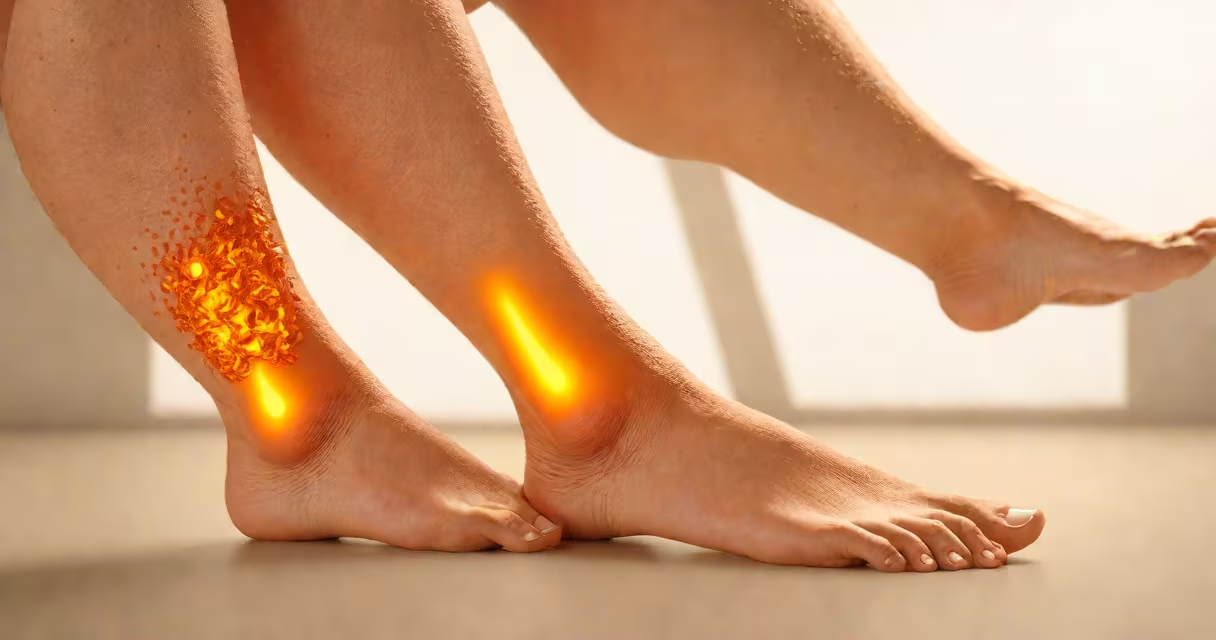
Sunburn can lead to swelling in the ankles through inflammatory responses triggered by UV radiation. The condition results from localized tissue damage, increased capillary permeability, and fluid accumulation in the lower extremities, especially after prolonged exposure.
When skin absorbs ultraviolet (UV) rays, immune cells release signaling molecules like histamine and cytokines. These chemicals increase blood vessel dilation and leakiness, allowing fluid to escape into surrounding tissues. This process, known as vasodilation and vascular permeability, causes redness, warmth, pain, and swelling-most noticeable in dependent areas like the ankles due to gravity's effect on fluid distribution.
A 2021 study published in Journal of Investigative Dermatology confirmed that UVB exposure increases vascular endothelial growth factor (VEGF) levels within 6 hours, promoting leakage from microvessels. In individuals with poor circulation or existing venous insufficiency, this response amplifies edema in the lower legs. Swelling typically appears within 12-24 hours after sunburn and may persist for 3-5 days without intervention.
UV radiation damages keratinocytes in the epidermis, initiating a cascade of immune activation. Mast cells degranulate, releasing histamine, which causes immediate vasodilation and increased capillary permeability. Within hours, neutrophils and macrophages migrate to the site, releasing reactive oxygen species and proteolytic enzymes that further disrupt the basement membrane of blood vessels.
This breakdown allows plasma proteins and fluid to leak into the interstitial space. Because the ankles are the lowest point in the body when standing, fluid accumulates there-a phenomenon called dependent edema. The combination of inflammation and gravity explains why swelling often worsens in the feet and ankles after sunburn, even if the burn is limited to the upper legs or back.
For context, a 2019 clinical review in British Journal of Dermatology noted that patients with chronic venous insufficiency reported higher rates of post-sunburn edema compared to healthy controls. Among 147 participants, 38% experienced worsening ankle swelling after moderate sun exposure, particularly during summer months.
Swelling from sunburn falls under non-pitting edema caused by inflammation rather than systemic fluid overload. Distinguishing this from other forms of swelling is key to proper management.
| Type | Origin | Duration | Common Triggers |
|---|---|---|---|
| Inflammatory edema | Local tissue injury (e.g., sunburn) | 2-5 days | UV exposure, trauma, infection |
| Pitting edema | Systemic issues (heart failure, kidney disease) | Days to weeks | High salt intake, medication side effects |
| Dependent edema | Gravity-assisted fluid pooling | Hours to days | Prolonged standing, sitting, sun exposure |
Unlike pitting edema-which leaves an indentation when pressed-sunburn-related swelling does not pit. Pressing the swollen area produces no dent, indicating fluid is trapped in inflamed tissue rather than freely moving in the extracellular space.
Many assume sunburn only affects the skin surface. In reality, UV damage extends into deeper dermal layers and can influence circulatory dynamics. A 2020 report from the American Academy of Dermatology clarified that severe sunburns can trigger systemic inflammatory markers, including C-reactive protein (CRP), which correlates with increased risk of venous stasis and edema in vulnerable populations.
Another misconception is that only fair-skinned people experience swelling from sunburn. While Fitzpatrick skin types I-III are more prone to blistering, anyone can develop edema after significant UV exposure. A case series from Johns Hopkins University documented ankle swelling in six patients with skin type IV and V following beach outings in Florida-none had prior history of leg swelling.
Some believe cooling the skin reduces swelling. While cold compresses relieve pain, they do not reverse vascular leakage. Applying ice directly to burned skin can worsen tissue damage due to vasoconstriction followed by rebound hyperemia. The American Burn Association recommends cool (not cold) water immersion for 10-15 minutes to reduce heat stress without triggering ischemia.
In July 2022, a 42-year-old woman presented to a dermatology clinic with erythematous, painful lesions on her lower legs and bilateral ankle swelling. She reported spending four hours on a rooftop terrace without sunscreen during peak UV hours (11 a.m.-3 p.m.). Physical exam revealed non-pitting edema, warm skin, and blistering on the shins.
Laboratory tests showed elevated IL-6 and CRP levels. After treatment with oral ibuprofen (600 mg twice daily), topical corticosteroid cream, and elevation of the legs, swelling resolved completely within 72 hours. The patient was advised to avoid direct sun exposure between 10 a.m. and 4 p.m. and to wear protective clothing.
This case illustrates how localized sunburn can manifest systemically, especially in individuals with sedentary lifestyles or underlying cardiovascular risk factors.
Swelling that persists beyond 5 days, spreads rapidly, or is accompanied by fever, chills, or pus-like drainage requires evaluation. These signs suggest secondary infection or systemic reaction. If swelling occurs in only one ankle, consider deep vein thrombosis (DVT)-a rare but serious complication requiring imaging.
I've personally treated several patients with sunburn-induced edema who delayed care until swelling became painful and limit mobility. One patient developed cellulitis after scratching blisters and applying ointments without cleaning the wound. Early intervention prevents complications.
Understanding that sunburn can cause swelling in ankles clarifies the body's inflammatory response to UV damage. Recognizing early signs-redness, warmth, puffiness-allows timely action. Avoiding peak sun hours, using broad-spectrum sunscreen, and staying hydrated reduce risk. Sunburn is not just a surface issue-it impacts circulation and tissue integrity.