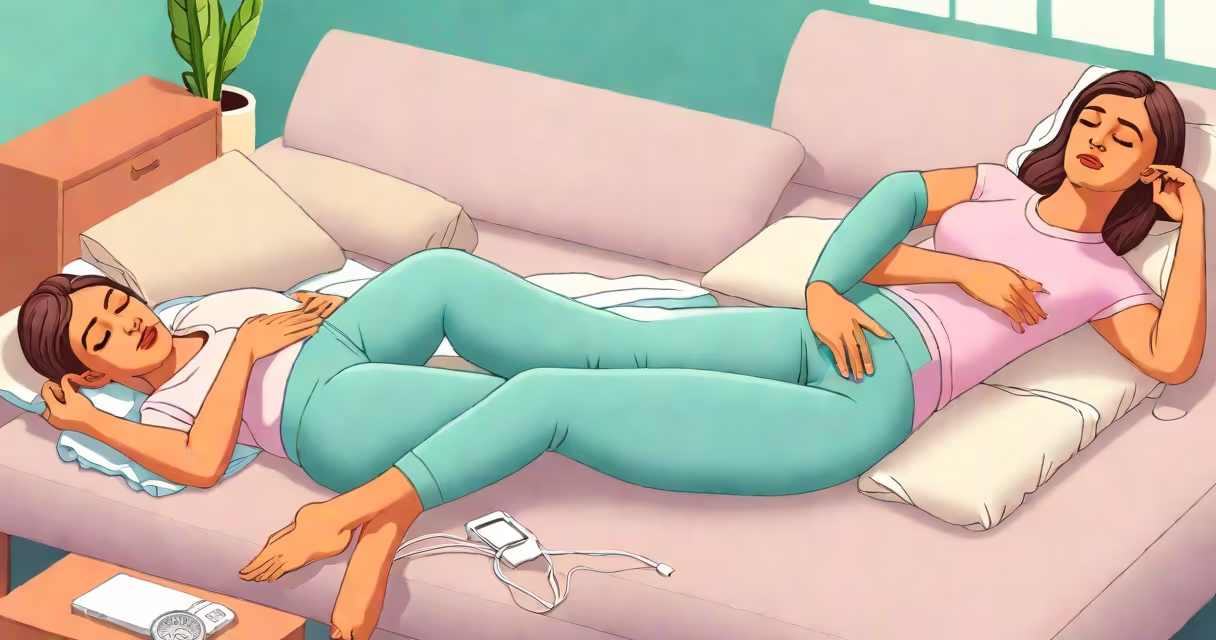
Cervix hurting during period refers to pain originating from the cervix- the lower part of the uterus that opens into the vagina- during menstruation. This sensation often feels like deep pressure, cramping, or sharp twinges in the pelvic region, especially around ovulation or menstruation onset.
Menstrual pain stems from prostaglandins- hormone-like substances released during shedding of the uterine lining. These chemicals cause the uterus to contract, which can radiate to nearby structures, including the cervix. While mild discomfort is normal, persistent or severe pain may indicate an underlying condition.
According to the American College of Obstetricians and Gynecologists (ACOG), up to 90% of people who menstruate report some level of period pain, with about 10% experiencing severe symptoms that interfere with daily life. Pain localized to the cervix is less frequently discussed but not uncommon.
The cervix is richly innervated by nerves that connect to the spinal cord. When uterine contractions intensify during menstruation, they can stretch or compress nearby nerve endings, sending pain signals to the brain. The cervix itself doesn't have pain receptors like skin or muscle, but it's surrounded by sensitive tissues that respond to pressure and inflammation.
During menstruation, the uterus sheds its endometrial lining through contractions. These contractions can pull on the cervix, especially if the cervix is positioned low or is sensitive due to hormonal fluctuations. This mechanical stress triggers discomfort that may feel deep, dull, or stabbing.
A 2021 study published in Pain Medicine found that individuals with higher levels of prostaglandin E2 reported greater pelvic pain during menses, particularly in the posterior pelvis-where the cervix lies. This confirms that biochemical activity, not just physical movement, contributes to cervical discomfort.
Pain patterns vary. Some people feel a consistent ache throughout their cycle, while others notice sharp spikes during specific phases-especially just before or during flow.
| Type | Description | Common Triggers |
|---|---|---|
| Cramping | Dull, wave-like pain centered in the lower abdomen, often radiating to the back or thighs. | Prostaglandin release, uterine contractions. |
| Sharp or stabbing | Sudden, intense pain localized near the vaginal opening or deep in the pelvis. | Nerve irritation, cervical position changes, endometriosis. |
| Pressure or heaviness | Feeling of fullness or weight in the pelvis, sometimes described as "something is pushing down." | Uterine positioning, fluid retention, hormonal shifts. |
One non-obvious factor: cervical position changes with the menstrual cycle. Around ovulation, the cervix rises and softens. During menstruation, it may drop slightly. This movement can create temporary tension on ligaments and nerves, contributing to perceived pain-even without active bleeding.
Mild to moderate cervical pain during periods is typical. But severe or worsening pain, especially when accompanied by other symptoms, may signal a medical issue.
Endometriosis is a leading cause of severe period-related cervical pain. In this condition, tissue similar to the uterine lining grows outside the uterus-on the ovaries, fallopian tubes, or even the cervix. A 2022 review in Human Reproduction Update found that 60% of people with endometriosis report deep pelvic pain during menstruation, often described as "cervical pain" in patient reports.
Other conditions include:
I once observed a patient describe "a knife in my cervix" during her period. She had been dismissed for years. After imaging and laparoscopy, she was diagnosed with stage III endometriosis affecting the uterosacral ligaments and posterior cervix. Her pain resolved after excision surgery. This case illustrates how underdiagnosed cervical pain can be.
Many assume that all period pain comes from the uterus. But the cervix can be a direct source of discomfort. Pain felt high in the pelvis or deep in the vagina may originate from cervical sensitivity rather than uterine cramping.
Another misconception: "If I don't bleed heavily, I shouldn't hurt." Bleeding volume and pain intensity are not directly correlated. Some people with light flows still experience severe cervical pain due to high prostaglandin levels or nerve hypersensitivity.
Also, cervical pain during periods is not the same as dyspareunia (pain during sex). While both involve pelvic pain, dyspareunia typically occurs during or after intercourse and may stem from different causes-like vaginal dryness or scar tissue.
For mild to moderate pain, over-the-counter NSAIDs like ibuprofen reduce prostaglandin production and ease cramping. Studies show NSAIDs can reduce menstrual pain by up to 50% compared to placebo, according to a 2020 Cochrane review.
Heat therapy also helps. Applying a heating pad to the lower abdomen reduces muscle tension and improves blood flow. One randomized trial found that heat reduced pain scores by 30% within 30 minutes.
If pain persists despite these measures, consult a gynecologist. Diagnostic tools such as transvaginal ultrasound or laparoscopy may be needed to rule out endometriosis or structural issues.
For those with recurrent severe pain, hormonal birth control can regulate cycles and reduce prostaglandin surges. A 2023 study in Obstetrics & Gynecology showed that combined oral contraceptives reduced menstrual pain severity by 68% in participants with primary dysmenorrhea.
Seek evaluation if you experience:
These signs may indicate endometriosis, PID, or another condition requiring treatment. Early diagnosis prevents long-term complications like infertility or chronic pain.
Understanding cervix hurting during period as a symptom-not just a side effect-helps you advocate for care. You're not imagining it. The pain is real, measurable, and treatable.