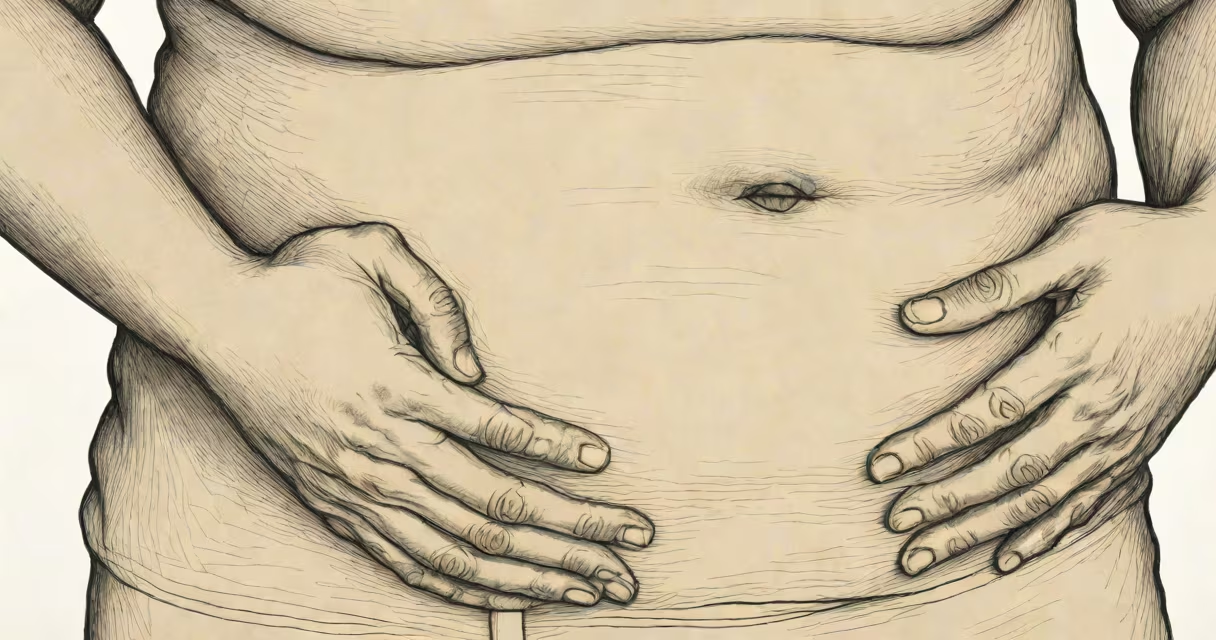
Common symptoms of foodborne illness include nausea, vomiting, diarrhea, abdominal cramps, and fever. These typically develop within 1 to 72 hours after eating contaminated food and result from infection by bacteria, viruses, parasites, or toxins.
Foodborne illness occurs when pathogens enter the digestive tract through contaminated food or water. The most frequent culprits are *Salmonella*, *Campylobacter*, *E. coli*, *Listeria*, and norovirus. Symptoms vary based on the organism, but gastrointestinal distress dominates the presentation.
The Centers for Disease Control and Prevention (CDC) estimates that 48 million Americans get sick from foodborne diseases annually, leading to 128,000 hospitalizations and 3,000 deaths. Most cases resolve within a few days, but severe outcomes can occur in young children, older adults, pregnant individuals, and those with weakened immune systems.
After ingestion, pathogens travel to the intestines, where they multiply and trigger inflammation. This leads to increased gut motility, fluid secretion, and pain signaling. The body responds with fever to fight infection and nausea to expel harmful contents.
For example, *Salmonella* invades intestinal cells, causing local tissue damage and releasing inflammatory signals. Within 6 to 48 hours, this results in watery diarrhea, cramping, and fever. In contrast, *Staphylococcus aureus* produces a toxin that acts rapidly-symptoms begin within 1 to 6 hours and last less than 24 hours.
Some organisms, like *Clostridium botulinum*, produce neurotoxins rather than attacking the gut. Botulism causes muscle weakness, blurred vision, and difficulty breathing-symptoms that differ from typical foodborne illness and require immediate medical attention.
Symptoms fall into three categories: gastrointestinal, systemic, and neurological. Gastrointestinal symptoms are most common and include nausea, vomiting, diarrhea, and abdominal pain. Systemic symptoms involve fever, chills, and fatigue. Neurological symptoms are rare but serious and include dizziness, paralysis, or confusion.
| Pathogen | Onset Time | Primary Symptoms | Duration |
|---|---|---|---|
| Salmonella | 6-72 hours | Diarrhea, fever, cramps | 4-7 days |
| Escherichia coli O157:H7 | 3-4 days | Bloody diarrhea, severe cramps | 5-10 days |
| Norovirus | 12-48 hours | Vomiting, watery diarrhea, nausea | 1-3 days |
| Staphylococcus aureus | 1-6 hours | Severe nausea, vomiting, cramps | Less than 24 hours |
One key distinction often missed is that vomiting and diarrhea do not always indicate infection. Some cases stem from preformed toxins, such as those produced by *S. aureus* in improperly stored mayonnaise or dairy products. These toxins act quickly and cannot be destroyed by reheating food.
Contamination happens at any stage-from farm to fork. Raw poultry, undercooked eggs, unpasteurized milk, and leafy greens are high-risk foods. Cross-contamination during food prep is a major contributor. For example, using the same cutting board for raw chicken and salad ingredients can transfer *Campylobacter*.
High-risk settings include buffets, catering events, and home kitchens with poor hygiene. A 2022 CDC report linked 38% of foodborne outbreaks to improper temperature control during storage or serving. Foods left between 40°F and 140°F (4°C and 60°C) for more than two hours allow rapid bacterial growth.
I once observed a family gathering where five people developed acute diarrhea and vomiting within four hours after eating cold potato salad. The dish had been prepared the night before and left out overnight. Testing confirmed *S. aureus* contamination-its toxin caused symptoms within hours, despite the food being cooked prior.
Common symptoms of foodborne illness resemble those of viral gastroenteritis, including norovirus and rotavirus. Both cause sudden onset of nausea, vomiting, and diarrhea. However, foodborne illness often involves a clear link to a specific meal or food item.
Another frequent mix-up is confusing foodborne illness with COVID-19. While both can cause nausea and diarrhea, foodborne illness rarely presents with respiratory symptoms like cough or shortness of breath. According to the CDC, gastrointestinal symptoms occur in about 10% of mild-to-moderate COVID-19 cases, compared to over 80% in foodborne illness caused by *Salmonella* or norovirus.
When symptoms persist beyond 48 hours, worsen, or include blood in stool, high fever (>102°F/39°C), or signs of dehydration (dry mouth, dizziness, reduced urination), medical evaluation is necessary. Dehydration from prolonged diarrhea can lead to electrolyte imbalances requiring IV fluids.
Preventing foodborne illness starts with proper handling. Wash hands with soap and water for at least 20 seconds before and after food preparation. Use separate cutting boards for meat and produce. Cook meats to safe internal temperatures-165°F (74°C) for poultry, 145°F (63°C) for whole cuts of beef.
Refrigerate perishables within two hours. Use a thermometer to monitor fridge temperature-keep it below 40°F (4°C). When dining out, avoid raw or undercooked seafood, rare steak, or unpasteurized cheeses unless labeled safe.
If you suspect foodborne illness, stay hydrated with oral rehydration solutions containing sodium and potassium. Avoid anti-diarrheal medications like loperamide unless advised by a doctor-they can prolong the presence of certain pathogens like *E. coli* O157:H7.