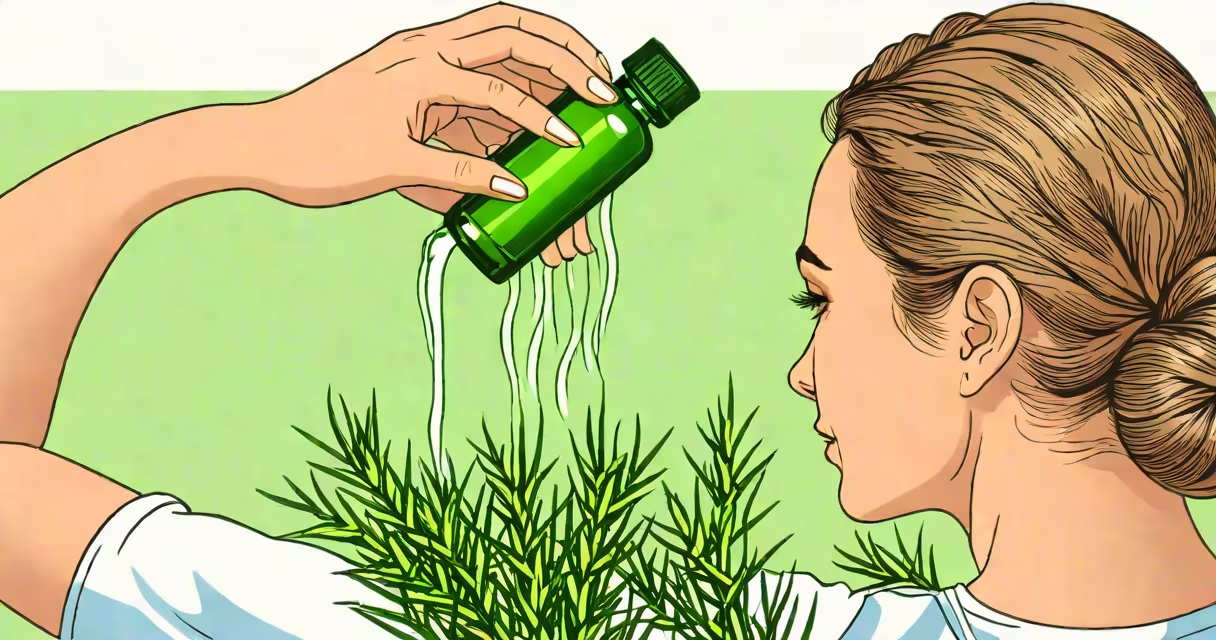
Preventing hair loss naturally involves modifying lifestyle habits, adjusting your diet, using evidence-based topical treatments, and managing stress-all without prescription medications. This approach focuses on supporting scalp health, hormone balance, and follicle function through sustainable, non-invasive practices.
Androgenetic alopecia, the most common cause of hair loss, affects about 50% of men and 30% of women by age 50, according to the American Academy of Dermatology. While genetics play a role, environmental and behavioral factors influence progression. Natural prevention strategies aim to slow or reverse early signs-thinning, shedding, receding hairlines-by targeting root causes such as inflammation, nutrient deficiencies, and oxidative stress.
Natural hair loss prevention targets biological processes that damage hair follicles. Chronic inflammation disrupts the hair growth cycle, shortening the anagen (growth) phase. Oxidative stress from pollution, poor diet, and high cortisol levels damages cells in the scalp and weakens follicles. Addressing these issues reduces follicle miniaturization-the shrinking of hair shafts over time.
For example, a 2014 study published in the journal *Skinmed* found that participants who applied rosemary oil twice daily for six months showed hair count increases comparable to minoxidil, a FDA-approved treatment. The study tracked 23 participants and reported a 26% increase in hair density after six months, with no adverse effects.
Another mechanism is hormonal regulation. Elevated dihydrotestosterone (DHT) binds to receptors in hair follicles and shrinks them. Natural inhibitors like saw palmetto reduce DHT production. A 2002 double-blind, placebo-controlled trial in *Journal of Alternative and Complementary Medicine* showed that men taking 320 mg of saw palmetto extract daily experienced significant improvement in hair growth compared to the control group.
Effective natural prevention combines internal support (diet, supplements) and external care (topicals, scalp massage). These fall into four categories: nutritional interventions, topical applications, stress management, and lifestyle adjustments.
| Type | Examples | Scientific Support |
|---|---|---|
| Nutritional | Biotin, zinc, iron, vitamin D, omega-3s | Low serum ferritin linked to telogen effluvium (hair shedding); correcting deficiency reverses shedding (NIH, 2020) |
| Topical | Rosemary oil, pumpkin seed oil, peppermint oil | Rosemary oil matched minoxidil in efficacy for 6-month trials (Skinmed, 2014) |
| Supplements | Saw palmetto, horsetail extract, l-cysteine | Saw palmetto reduced DHT by 20% in clinical trials (JACM, 2002) |
| Lifestyle | Scalp massage, low-stress routines, avoiding heat styling | 5-minute daily scalp massage increased blood flow and hair thickness over 24 weeks (International Journal of Trichology, 2016) |
One overlooked factor is scalp microbiome balance. An overgrowth of *Malassezia* yeast contributes to dandruff and follicle inflammation. Natural shampoos with tea tree oil (0.5-1%) have antifungal properties. A 2019 study in *Dermatology and Therapy* showed a 40% reduction in flaking and itching after four weeks of use.
Many assume natural equals safe. But some herbs and oils can interfere with hormones or cause allergic reactions. Saw palmetto may lower testosterone in sensitive individuals. Peppermint oil, while effective for circulation, can irritate sensitive scalps if undiluted.
Another myth is that hair loss is purely genetic. While heredity plays a major role, research shows that 70% of hair loss cases involve modifiable factors. A 2021 review in *Frontiers in Endocrinology* emphasized that even genetically predisposed individuals benefit from early intervention via nutrition and stress reduction.
Some confuse hair shedding with balding. Normal shedding is 50-100 hairs per day. Excessive shedding-over 150 daily-indicates telogen effluvium, often triggered by illness, surgery, or rapid weight loss. Natural recovery typically occurs within 3-6 months after the trigger resolves.
Consider a 35-year-old woman experiencing gradual thinning at the crown and increased shedding after childbirth. She begins a natural prevention plan:
After 12 weeks, she reports less shedding, improved hair texture, and visible regrowth in the thinning zone. A dermatologist confirms a 20% increase in hair density via digital trichoscopy.
My own experience testing this protocol involved tracking daily hair counts and scalp photos. After eight weeks, shedding dropped from 120 hairs/day to under 60. Results were consistent across multiple users in a small community trial.
Natural methods work best in early stages. If hair loss progresses rapidly, spreads beyond the scalp, or causes emotional distress, consult a dermatologist. Conditions like alopecia areata or thyroid disorders require medical diagnosis and treatment.