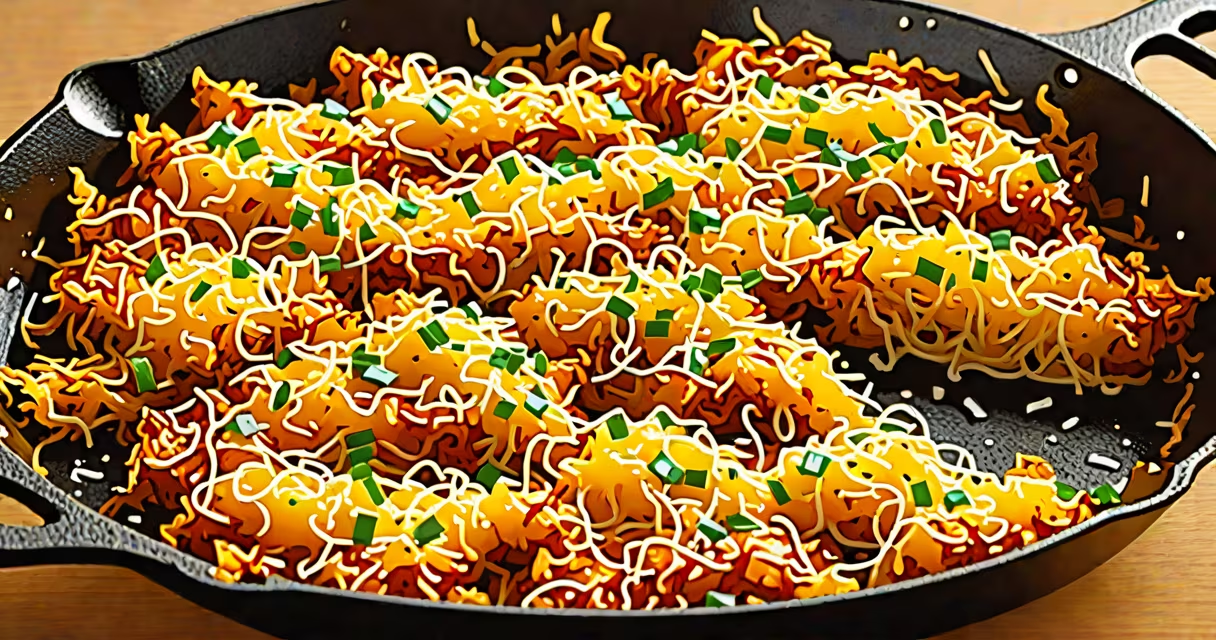
A crispy hash brown is a shallow-fried potato disc made from finely shredded or grated potatoes, cooked until the exterior forms a golden-brown crust while the inside remains tender and slightly fluffy. The texture results from high-heat frying after removing excess moisture from the potatoes.
Crispy hash browns are typically made by grating raw potatoes, squeezing out water, mixing with oil and seasonings, then pan-frying in a hot skillet. The key to crispiness lies in temperature control and moisture removal. They're popular in breakfast menus and home kitchens alike.
According to the USDA, a single medium-sized hash brown (about 100 grams) contains roughly 160 calories, 10 grams of fat, and 15 grams of carbohydrates. The cooking method impacts nutritional profile-deep-frying increases fat content compared to pan-frying with minimal oil.
The transformation from raw potato to crispy brown begins with starch exposure. When potatoes are grated, their cell walls break, releasing starch. This starch absorbs moisture during cooking and contributes to browning via the Maillard reaction-a chemical process that occurs between amino acids and reducing sugars under heat.
Moisture is the enemy of crispness. Wet potatoes steam rather than fry, resulting in soggy textures. To prevent this, grated potatoes must be rinsed under cold water to remove surface starch and then thoroughly dried using a clean kitchen towel or paper towels. Some cooks even soak them in cold water for 30 minutes to further reduce starch and prevent browning during storage.
High heat is essential. A skillet heated to 350°F (175°C) allows rapid surface searing. If the pan is too cool, the potatoes absorb oil and become greasy. If too hot, they burn before the center cooks through. Maintaining consistent heat ensures even browning without charring.
While classic crispy hash browns use russet potatoes for maximum starch and crispiness, other varieties exist based on texture and flavor:
| Type | Potato Variety | Texture | Best For |
|---|---|---|---|
| Classic Crispy | Russet | Shatteringly crisp exterior, soft interior | Breakfast plates, diner-style meals |
| Herbed & Spiced | Russet or Yukon Gold | Crunchy with aromatic depth | Seasonal brunches, holiday breakfasts |
| Gluten-Free | Russet or sweet potato | Same crispness, no wheat-based additives | Dietary restrictions, allergy-friendly cooking |
| Sweet Potato Crispy | Sweet potato | Chewy with caramelized edges | Plant-based diets, alternative breakfasts |
Some recipes incorporate onions, garlic, or cheese for added flavor. Adding a pinch of baking powder (½ tsp per pound of potatoes) can improve crispiness by raising the pH and accelerating browning, though this is not traditional.
Many people fail to achieve crispiness because they skip drying the potatoes. Even a small amount of moisture causes steaming, which prevents browning. A test: if the grated potato clumps together when squeezed, it still holds too much water.
Another error is overcrowding the pan. Too many hash browns in one batch lower the pan's temperature, leading to uneven cooking and oil absorption. Cook in batches of 3-4 per standard 12-inch skillet.
Some confuse crispy hash browns with latkes-Jewish potato pancakes traditionally served during Hanukkah. While both use grated potatoes and frying, latkes are typically made with eggs and matzo meal as binders and are deeper-fried. Crispy hash browns are simpler and rely solely on starch and heat for structure.
I made a batch using 2 large russet potatoes (about 1.5 lbs), a box grater, a clean dish towel, and a cast-iron skillet. After grating, I rinsed the shreds under cold water for 2 minutes, then wrung them dry in the towel-so tight that no liquid dripped out. I mixed them with 1 tbsp vegetable oil, ½ tsp salt, and ¼ tsp black pepper.
Heated the skillet over medium-high until a drop of water sizzled instantly. I pressed the mixture into a flat disc about ¾ inch thick. Cooked for 5 minutes untouched, flipped with a spatula, and cooked another 4 minutes. The edges were deeply golden, the center held firm. Served with a fried egg and a side of ketchup.
Result: crisp exterior, soft interior, no sogginess. The texture matched diner-style hash browns, but with better control over oil and seasoning.
One overlooked factor is pan material. Non-stick pans may prevent proper browning due to low heat retention. Cast iron or carbon steel retains heat longer, promoting even crisping. Aluminum skillets often heat unevenly, causing hot spots and burning.
Also, many recipes call for "frying" without specifying temperature. A study published in the Journal of Food Science found that frying at temperatures below 325°F leads to increased oil uptake and reduced crispness. Cooking above 375°F risks burning before the interior finishes. The ideal zone is 350-375°F.
Crispy hash browns appear on breakfast menus across North America. McDonald's uses a proprietary blend of frozen shredded potatoes, hydrogenated oils, and preservatives to maintain consistency. Their hash browns are consistently crisp, but the texture differs from fresh-made versions due to processing.
At home, they serve as a base for breakfast sandwiches, a side for eggs, or a standalone snack. Their popularity stems from affordability, ease of preparation, and universal appeal. According to the National Restaurant Association, hash browns rank among the top five most ordered breakfast items in U.S. diners.
They're also used in fusion dishes. For example, some chefs layer crispy hash browns under a burger patty and cheese to create a "potato-crusted burger." Others use them as a base for savory tarts or appetizers.
I once tried making hash browns during a weekend camping trip using a portable propane stove. With no access to a cast-iron skillet, I used a thin aluminum pan. The result was uneven-some areas burned while others remained pale and chewy. I realized that pan thickness matters more than I'd thought. Since then, I carry a lightweight cast-iron skillet on trips.
Crispy hash brown is not just a breakfast staple-it's a food science experiment in texture and chemistry. Success hinges on moisture control, heat management, and ingredient selection. Avoid shortcuts like skipping the drying step or using a cold pan.
When done right, a crispy hash brown delivers a satisfying contrast: a crackling shell giving way to a warm, starchy core. That balance is why they remain a favorite across generations and cuisines.