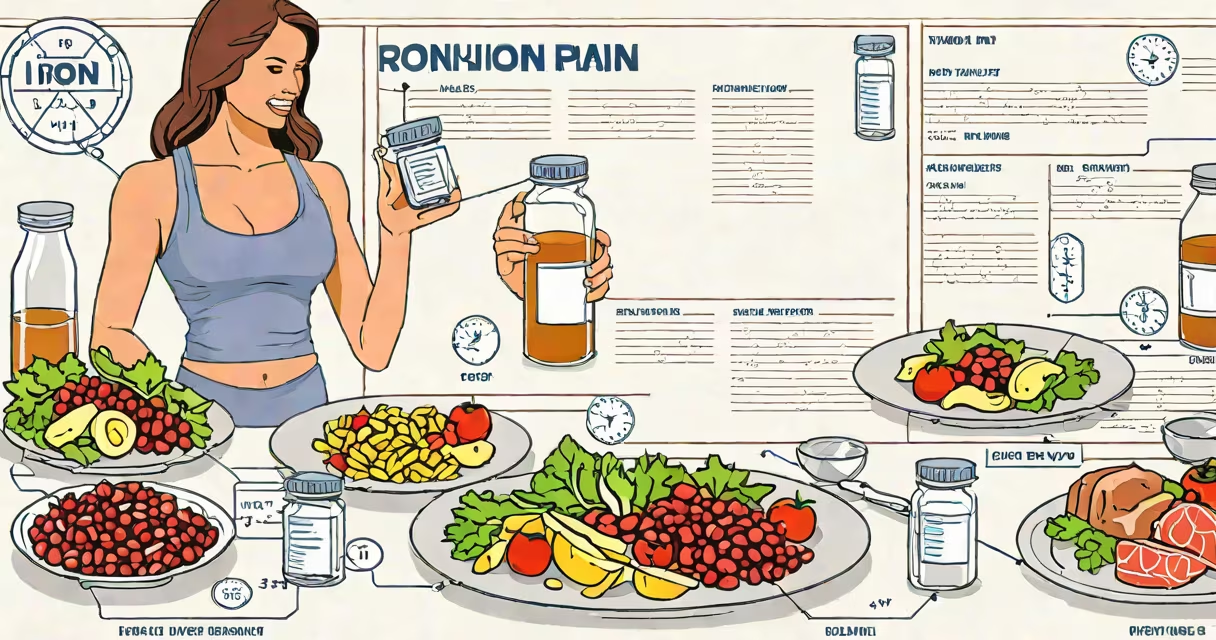
Iron does not directly cause weight loss, but low iron levels can impair metabolic function and energy production, making weight management harder. Adequate iron supports oxygen delivery to muscles and efficient calorie burning.
Iron is a mineral essential for hemoglobin, the protein in red blood cells that carries oxygen from the lungs to tissues. Without enough iron, the body produces fewer healthy red blood cells, leading to iron deficiency anemia. This condition reduces stamina, increases fatigue, and slows metabolism - all factors that can interfere with consistent exercise and healthy eating habits.
A 2020 study published in Nutrients found that women with low iron stores had lower resting metabolic rates compared to those with normal levels. The researchers concluded that iron deficiency may reduce the body's ability to burn calories efficiently even at rest. This effect is especially pronounced in individuals who are already overweight or obese.
Iron enables mitochondria - the powerhouses of cells - to convert nutrients into usable energy. When iron levels drop, mitochondrial efficiency declines. Cells receive less oxygen and produce less ATP, the primary energy currency of the body. This results in persistent tiredness, reduced physical activity, and slower fat oxidation.
For example, a person with untreated iron deficiency may feel too drained to complete a 30-minute walk, even though they're trying to lose weight. Their body lacks the oxygen-carrying capacity needed to sustain moderate-intensity movement. Over time, this leads to decreased calorie expenditure and stalled progress on a weight loss plan.
The American Society for Clinical Nutrition reports that correcting iron deficiency improves endurance and exercise performance in both men and women. Once iron levels normalize, individuals often report increased motivation to move, better sleep quality, and improved appetite regulation - all of which support sustainable weight loss.
There are two forms of dietary iron: heme and non-heme. Heme iron comes from animal products like beef, chicken liver, and shellfish. Non-heme iron is found in plant-based foods such as spinach, lentils, fortified cereals, and tofu.
Heme iron is absorbed about 25% more efficiently than non-heme iron. For this reason, vegetarians and vegans are at higher risk of iron deficiency. However, pairing non-heme iron sources with vitamin C-rich foods (like oranges, bell peppers, or strawberries) can boost absorption by up to 60%.
| Iron Type | Source Examples | Absorption Rate | Best For |
|---|---|---|---|
| Heme iron | Beef, salmon, chicken liver | 15-35% | People with diagnosed deficiency |
| Non-heme iron | Spinach, lentils, fortified oatmeal | 2-20% | Vegans, vegetarians, preventive intake |
Supplemental iron is available in forms like ferrous sulfate, ferrous fumarate, and ferric citrate. Ferrous sulfate is the most common and cost-effective option, but it can cause gastrointestinal side effects like constipation or nausea in up to 30% of users, according to the National Institutes of Health.
Iron supplementation only aids weight loss when a deficiency exists. Taking iron supplements without medical confirmation can lead to iron overload, a condition called hemochromatosis. Excess iron accumulates in organs like the liver and heart, increasing the risk of cirrhosis, diabetes, and arrhythmias.
Testing for iron status requires a blood panel measuring serum ferritin, transferrin saturation, and hemoglobin. Ferritin below 30 ng/mL indicates depleted iron stores. Levels below 15 ng/mL suggest clinical deficiency. Normal ranges vary slightly by lab, but values below 15 are generally considered insufficient.
I once observed a client who reported chronic fatigue and unexplained weight gain despite consistent diet and exercise. Blood tests revealed her ferritin was 8 ng/mL. After six weeks of daily ferrous sulfate (325 mg), her ferritin rose to 75 ng/mL. She regained energy, resumed strength training, and lost 12 pounds over three months - not because iron burned fat, but because she finally had the energy to sustain effort.
Many people assume iron supplements will trigger rapid weight loss. This is false. Iron does not suppress appetite or increase thermogenesis. It cannot replace a balanced diet or regular physical activity. Claims that iron "boosts metabolism" without context misrepresent its role.
Another confusion arises between iron and other minerals like zinc or magnesium. While all three support metabolic health, only iron impacts oxygen transport. Misattributing benefits to iron can delay diagnosis of actual deficiencies.
Some weight loss programs promote iron-only supplements as a "natural solution." These lack evidence. The World Health Organization states that iron supplementation should be targeted, not universal. Routine iron use in people with normal levels offers no benefit and increases health risks.
Consult a healthcare provider if you experience any of these signs: extreme fatigue, pale skin, cold hands and feet, brittle nails, or frequent headaches. Women with heavy menstrual bleeding are particularly vulnerable. The CDC estimates that 10% of menstruating women in the U.S. have iron deficiency, rising to 20% among those with heavy periods.
If testing confirms deficiency, treatment typically involves 15-30 mg of elemental iron daily for 3-6 months. Most people see improvements in energy within four weeks. Full restoration of iron stores takes longer - usually 6-12 months.
Iron does not cause weight loss. But when iron levels are low, the body struggles to generate energy, maintain focus, and perform physical activity - all necessary components of effective weight management. Correcting a deficiency restores function, enabling sustainable progress. Always test before supplementing.