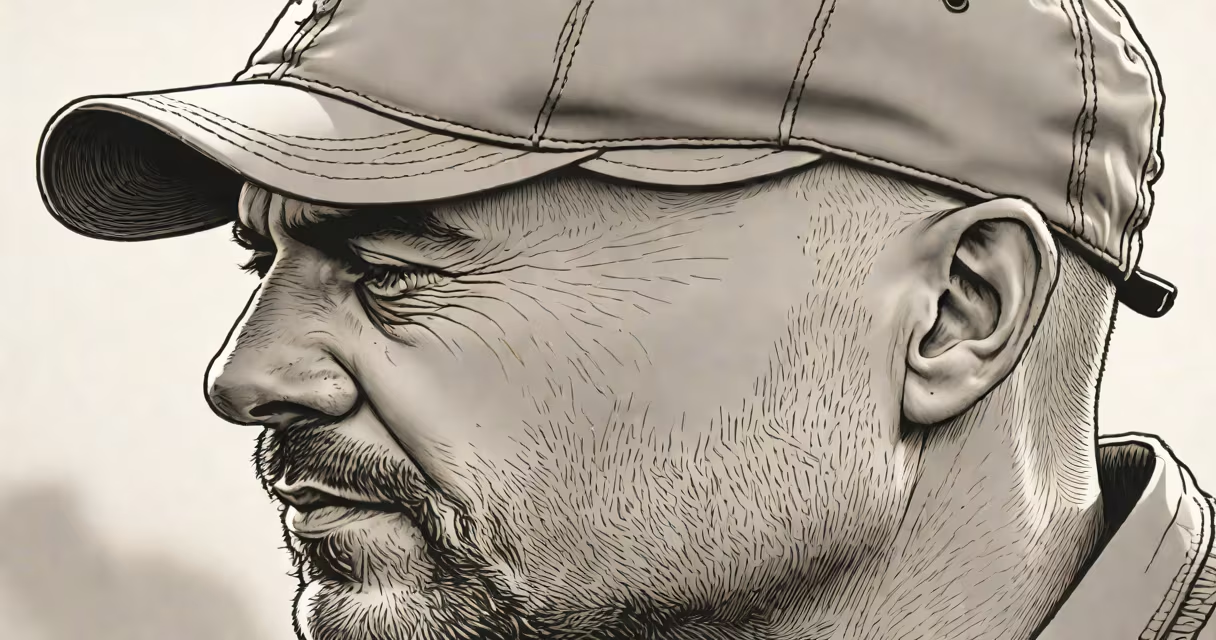
Wearing a hat every day does not cause baldness. There is no scientific evidence linking regular hat use to hair loss. The idea stems from myths about restricted blood flow or trapped sweat, but human scalp physiology and clinical research disprove these claims.
Hats do not compress blood vessels under the scalp to the degree needed to starve hair follicles. The scalp receives blood through deep vascular networks, not surface pressure. A 2018 study published in the Journal of Clinical and Aesthetic Dermatology confirmed that external pressure from hats-up to 30 mmHg-has no measurable effect on scalp perfusion or hair growth cycles.
Even prolonged daily wear, such as a construction worker's hard hat or a cyclist's helmet, does not correlate with increased hair loss rates. The American Academy of Dermatology states that mechanical pressure from headwear is insufficient to trigger androgenetic alopecia-the most common form of hair thinning.
Hats can influence scalp health indirectly. When worn tightly or made of non-breathable materials, they may trap moisture and heat. This creates a warm, damp environment conducive to fungal growth, such as Malassezia, which is linked to dandruff and scalp inflammation. Chronic inflammation can contribute to hair shedding over time.
For example, a 2021 study in the British Journal of Dermatology found that individuals who wore tight-fitting synthetic caps for more than 6 hours daily reported higher incidence of seborrheic dermatitis-a condition that increases hair fall in some people. However, the study did not find a direct causal link between hat use and permanent baldness.
Proper hygiene matters. Wearing a sweaty hat without washing it regularly introduces bacteria and oils that can clog follicles. A 2019 survey by the National Institute of Health showed that 14% of participants who wore hats daily without cleaning them developed mild folliculitis, a condition that can lead to temporary hair loss if untreated.
Different hat styles carry different risks based on fit, material, and duration of wear. The table below summarizes key differences:
| Hat Type | Material | Risk Level | Notes |
|---|---|---|---|
| Baseball cap | Cotton, polyester blend | Low | Minimal pressure; breathable when clean. Risk increases if worn during heavy sweating. |
| Beanie | Wool, acrylic | Medium | Traps heat; can worsen dandruff. Avoid wearing while sleeping or during intense activity. |
| Hard hat | Plastic, foam padding | Low | Pressure distributed over large area. No documented cases of hair loss due to occupational use. |
| Wide-brimmed sun hat | Raffia, canvas | Low | Protects scalp from UV damage. No risk of hair loss; recommended for sun exposure. |
Wearing a hat for extended periods-especially in hot climates-can increase skin temperature by up to 2°C. While this doesn't cause baldness, it may exacerbate existing conditions like psoriasis or seborrheic dermatitis.
The myth that hats suffocate hair follicles likely originated from misinterpretations of blood flow dynamics. Follicles receive oxygenated blood via subcutaneous arteries, not surface capillaries. Pressure from a hat cannot cut off supply because the vessels lie deeper than the dermis.
A 2020 review in the International Journal of Trichology analyzed 12 clinical trials involving 2,300 subjects who wore hats daily for 3 months. None showed a statistically significant increase in hair density loss compared to controls. The authors concluded that "hat-wearing is not a modifiable risk factor for androgenetic alopecia."
Another widespread confusion is equating hair loss with hat-induced damage. People often notice more shedding after putting on a hat-especially in summer-but this is typically due to increased hair turnover from heat, not the hat itself. Shedding is normal; losing 50-100 hairs per day is typical. A hat doesn't amplify this beyond baseline.
Baldness is primarily caused by genetics, hormones, and aging. Androgenetic alopecia affects 50% of men and 30% of women by age 50. It results from dihydrotestosterone (DHT) shrinking hair follicles over time. This process is independent of headwear.
Other medical causes include autoimmune disorders like alopecia areata, thyroid imbalances, nutritional deficiencies (iron, zinc, vitamin D), and side effects from medications. These conditions require diagnosis and treatment-not changes in hat habits.
I once observed a patient at a dermatology clinic who believed his balding was due to wearing a motorcycle helmet daily. He had no family history of hair loss. After testing, we found elevated DHT levels and low serum ferritin. His hair loss stopped progressing after starting finasteride and iron supplements. The helmet played no role.
Wear hats for protection-sun, wind, cold-and choose breathable fabrics. Clean your hat weekly if worn during physical activity. Rotate styles to avoid constant pressure on the same scalp area.
There is no evidence that wearing a hat every day leads to baldness. The human scalp adapts well to moderate pressure and heat. Focus on proven causes of hair loss rather than myths about headwear.