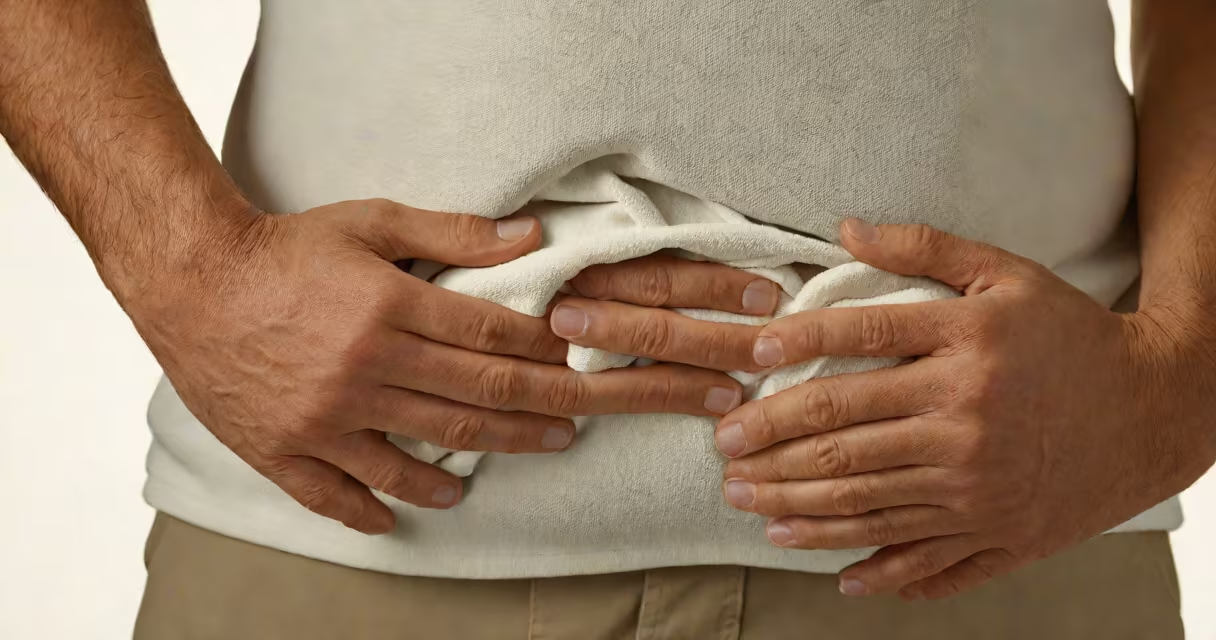
Yes, stomach pain often occurs during constipation due to stool buildup in the colon, which stretches the intestinal walls and triggers cramping. This pressure can cause dull, sharp, or throbbing pain in the lower abdomen.
Constipation means fewer than three bowel movements per week. When stool remains in the large intestine longer than usual, water is absorbed, making it hard and dry. The colon must contract forcefully to move it, leading to spasms and pain. According to the National Institute of Diabetes and Digestive and Kidney Diseases (NIDDK), about 16% of adults in the U.S. report constipation symptoms annually, with abdominal pain being a common complaint.
Pain typically appears in the lower left side of the abdomen-the location of the sigmoid colon, where stool often accumulates. The sensation may feel like pressure, bloating, or intermittent cramps. Some people describe it as a "tight" or "full" feeling. Severe or persistent pain, especially with vomiting, fever, or blood in stool, requires medical evaluation to rule out obstruction or other conditions.
The colon contracts in waves called peristalsis to push waste forward. When stool is hard and slow-moving, these contractions become stronger and irregular. Over time, this leads to muscle strain and nerve irritation in the gut lining. The result is visceral pain-pain originating from internal organs rather than skin or muscle.
Research published in Gastroenterology shows that chronic constipation alters gut motility patterns and increases sensitivity to distension. This means even normal amounts of stool can trigger pain in people with long-term constipation. The brain-gut axis plays a role too: stress and anxiety can worsen both constipation and pain perception.
A 2021 study in Alimentary Pharmacology & Therapeutics found that 68% of patients with functional constipation reported abdominal pain as a primary symptom. The pain often improves after a bowel movement, confirming the link between stool retention and discomfort.
Pain from constipation varies in quality and timing. It may be:
Common contributors include low fiber intake, dehydration, lack of physical activity, and certain medications (like opioids or antacids with aluminum). Ignoring the urge to defecate can also train the colon to hold onto stool, worsening symptoms over time.
| Trigger | Effect on Colon | Resulting Symptom |
|---|---|---|
| Fiber deficiency | Reduces stool bulk and slows transit | Hard stools, straining, pain |
| Dehydration | Increases water absorption in colon | Dry, compacted stool |
| Medications (e.g., codeine) | Slows peristalsis | Delayed bowel movements, cramping |
| Ignoring urges | Trains rectum to retain stool | Chronic constipation, recurring pain |
Constipation pain is not the same as gas pain, though they often coexist. Gas causes sharp, localized pain that moves around the abdomen and may ease with passing gas. Constipation pain tends to be deeper, more persistent, and centered in the lower belly. Confusing the two can delay proper treatment.
Some assume that stomach pain always means a serious condition like diverticulitis or cancer. While those can cause similar symptoms, they're rare. Most cases of constipation-related pain stem from diet, lifestyle, or minor motility issues. The American College of Gastroenterology notes that functional gastrointestinal disorders-including constipation-predominant IBS-are diagnosed more often than structural disease.
Another mistake is treating pain with laxatives without addressing root causes. Laxatives provide short-term relief but don't fix underlying habits. Overuse can lead to dependency or electrolyte imbalances. For example, stimulant laxatives like senna increase contractions but may worsen cramping if used daily.
I once saw a 34-year-old woman who reported daily lower abdominal pain for six months. She described tightness and cramping that worsened after meals. Her bowel movements were infrequent-once every 4-5 days-and she strained heavily. Blood tests and imaging showed no structural issues. After increasing her daily fiber intake to 25 grams and drinking 2 liters of water, her symptoms improved within two weeks. Bowel movements became regular, and pain decreased.
This case illustrates that constipation pain is often reversible with simple dietary changes. The patient had no underlying disease-just poor hydration and low fiber, common contributors.
Seek care if pain persists beyond a few days despite home remedies, or if you notice warning signs: vomiting, inability to pass gas, fever, or blood in stool. These may indicate a partial or complete bowel obstruction, requiring imaging or surgery.
Also consult a provider if constipation develops suddenly in adulthood. New-onset constipation can signal thyroid dysfunction, diabetes, or neurological conditions. The NIDDK recommends evaluation when constipation lasts more than three months or interferes with daily life.
For ongoing discomfort, consider seeing a gastroenterologist. They may recommend a colonoscopy, anorectal manometry, or colonic transit study to assess motility.
Abdominal pain from constipation overlaps with other digestive issues. Key differences:
If you suspect a food trigger, try an elimination diet under guidance. Keep a symptom diary tracking food, bowel movements, and pain levels. This helps identify patterns.
Understanding the difference between constipation pain and other causes prevents unnecessary worry and guides effective action. Most cases resolve with hydration, fiber, and routine.
Recognizing that stomach pain during constipation is a physical response-not imagined-helps reduce anxiety. Addressing the root cause through diet and behavior changes brings lasting relief. If symptoms persist, medical evaluation ensures no serious issue is missed.