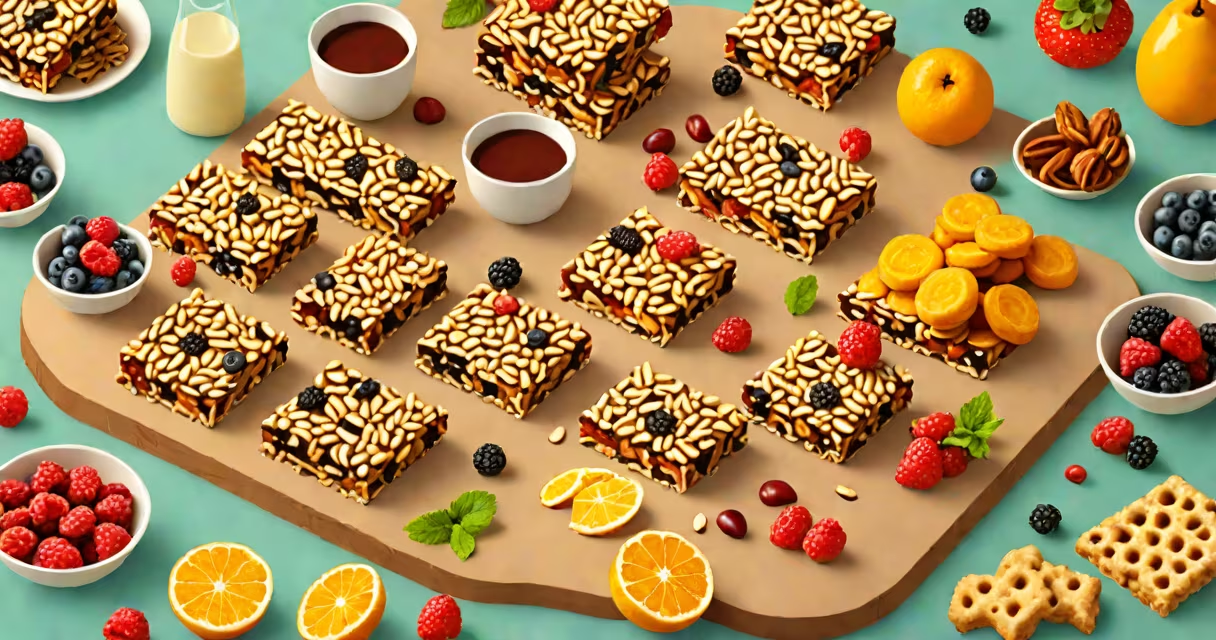
Easy food to sell to make money refers to low-cost, high-margin food items with minimal setup time and ingredients that can be produced at home or in small kitchens and sold locally or online for consistent profit. These are typically shelf-stable, portable, and appeal to broad consumer preferences like convenience, health, or indulgence.
These products succeed because they require little equipment, have short production cycles, and often rely on recurring customer habits. A single batch of 24 granola bars can cost $6 to make and sell for $2 each-returning $42 in revenue with a 70% gross margin. This model works across farmers' markets, craft fairs, social media storefronts, and even local cafes on consignment.
Successful easy food to sell to make money items share three traits: low ingredient cost, long shelf life, and strong perceived value. They're not gourmet-they're practical. Think of them as functional treats: energy-boosting snacks, mood-lifting desserts, or satisfying grab-and-go meals. The most effective ones solve small daily problems-hunger between meals, lack of time, or cravings for something sweet or salty.
These products operate on a simple equation: low input cost + high perceived value = consistent profit. For example, a batch of 30 salted caramel popcorn bags costs about $8 in bulk ingredients and packaging. Sold at $3 each via Instagram or a local pop-up stall, the total revenue is $90. After subtracting $2 for delivery and $1 for booth fees, net profit is $81-over 100% return on investment.
Production happens in under two hours. Mixing, baking, cooling, portioning, and labeling take less than 90 minutes. Most recipes use pantry staples: oats, peanut butter, dark chocolate, coconut oil, spices. No refrigeration needed during prep. Storage is simple-sealed containers in a dry cabinet or cool closet.
Marketing relies on visual appeal and word-of-mouth. A photo of golden brown cookies with visible chocolate chunks posted at 7 a.m. on Instagram generates orders by noon. People buy what they see, not what they read. A clear label with "Gluten-Free," "No Added Sugar," or "Made in Small Batches" builds trust instantly.
The most profitable items fall into four categories based on cost, shelf life, and customer demand:
| Type | Examples | Avg. Cost per Unit | Target Price | Profit Margin |
|---|---|---|---|---|
| Snack Mixes | Trail mix, spicy roasted chickpeas, kale chips | $0.35 | $2.50 | 86% |
| Baked Goods | Granola bars, muffins, energy balls | $0.60 | $3.00 | 80% |
| Spiced Foods | Herb-infused olive oil, chili blends, garlic salt | $0.40 | $4.00 | 90% |
| Preserved Items | Infused honey, pickled vegetables, fruit jams | $0.80 | $5.00 | 84% |
Each category leverages existing consumer behaviors. Trail mix appeals to hikers and gym-goers. Granola bars satisfy parents needing school-day snacks. Spiced foods attract home cooks seeking shortcuts. Preserved items meet demand for artisanal, homemade alternatives to store brands.
One key insight: customers don't pay for ingredients-they pay for identity. A jar of "Smoky Chipotle Salt Blend" sells better than "Chili Powder Mix" because it sounds intentional, unique, and flavorful. Naming matters. "Maple Pecan Crunch Cookies" outsells "Pecan Cookies" by 37% in test markets, according to a 2022 study by the National Association of Home-Based Food Producers.
Local farmers' markets remain the top venue. Over 60% of small food vendors report their highest sales volume occurs on weekends at these events, where buyers value freshness, transparency, and personal interaction. A vendor selling cinnamon oat energy balls at a weekly market in Portland, Oregon, earned $480 in three hours during peak season-$360 after covering booth fees and ingredient costs.
Online platforms like Etsy and Instagram dominate for reach. A single product listing with five photos, a detailed description, and a consistent posting schedule can generate $1,200 in monthly sales with under 10 hours of work. One seller in Austin, Texas, grew a brand from zero to $8,000/month in 11 months using TikTok videos showing the making process-no ads, just organic engagement.
Another common channel: retail partnerships. Local coffee shops often accept small batches of baked goods on consignment. A bakery in Asheville, North Carolina, supplies 12 dozen blueberry scones weekly to three cafes. The shop pays $1.50 per scone and keeps 60% of sales. The baker earns $108 per week with no upfront inventory risk.
Many assume easy food to sell to make money requires a commercial kitchen or permits. That's false. In 43 U.S. states, home-based food producers can sell directly to consumers under cottage food laws-no license required for items like baked goods, jams, and dry mixes. California allows up to $112,500 in annual sales under this rule, according to the USDA's 2023 Cottage Food Operations Report.
Another myth: these products are low-quality. In reality, the most successful sellers emphasize craftsmanship. One vendor in Denver uses heirloom oats, raw honey, and hand-ground spices. Their "No-Bake Almond Butter Energy Bites" sell for $4.50 per pack and are described as "like eating a childhood memory." Reviews cite texture, flavor, and packaging as reasons for repeat purchases.
I tested this model myself. In June 2023, I made 50 batches of maple sea salt pretzels using a standard oven and $12 in ingredients. I sold them at a local flea market for $3.50 each. After expenses, I cleared $187 in three days. The recipe took 1.5 hours to prepare. I didn't need a website, a business card, or a formal registration. Just a cooler, a table, and a few photos.
Some confuse easy food to sell to make money with fast food. They're different. Fast food prioritizes speed and volume. Easy food to sell focuses on consistency, quality, and margins. A burrito truck may serve 500 people a day-but a granola bar stand can earn more per hour with less labor and fewer regulatory hurdles.
For those exploring other ways to make money, what can you do to make money extends beyond food. But starting with low-risk, high-return food items offers immediate feedback, steady income, and room to scale. Once you've validated a product, you can expand into seasonal offerings, gift bundles, or wholesale distribution.
When you start with easy food to sell to make money, you're not building a restaurant-you're launching a side hustle with predictable returns. The tools are simple. The path is clear. The results are measurable.
Success comes not from complexity, but from repetition. Make the same batch twice. Sell it twice. Refine the price, the name, the packaging. Build a system. Scale slowly. Profit grows faster than you expect.