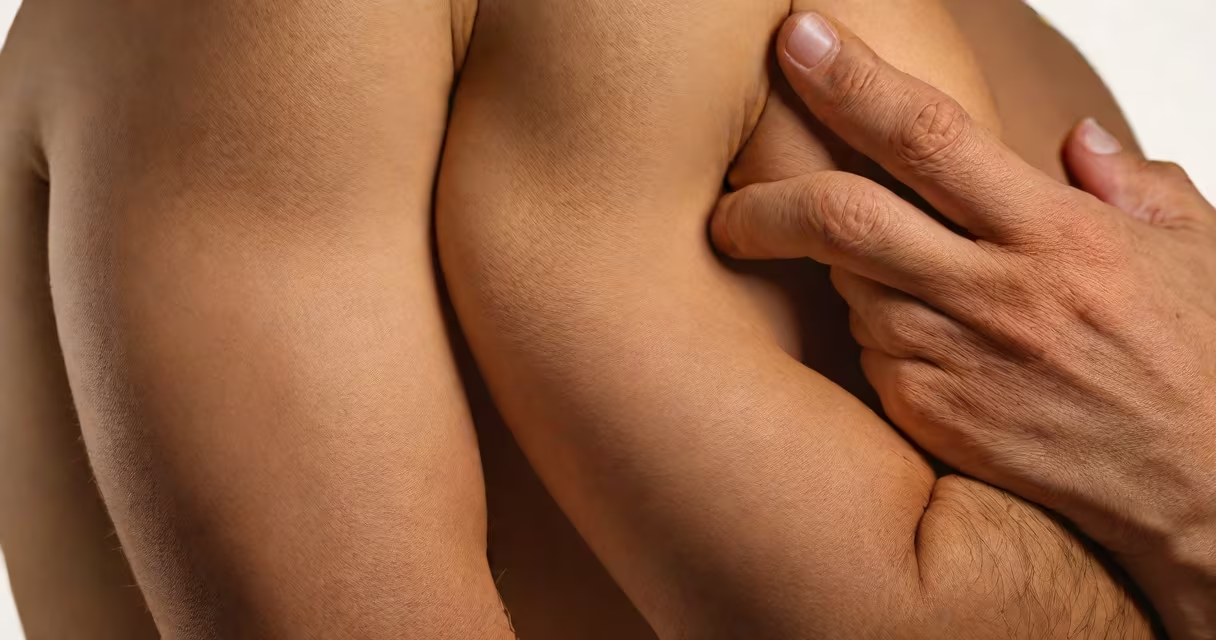
Arm and shoulder ache typically results from muscle strain, nerve compression, or joint stress due to repetitive motion, poor posture, or sudden injury. The pain may radiate from the neck, stem from overuse during activity, or emerge gradually with daily habits.
Shoulder and arm pain often begins in the rotator cuff, the group of muscles and tendons stabilizing the shoulder joint. When strained-especially during overhead movements like lifting or throwing-the tendons can inflame, leading to sharp or dull aching. A 2021 study in The Journal of Orthopaedic & Sports Physical Therapy found that 68% of patients with shoulder pain had rotator cuff involvement, often linked to prolonged desk work or sports.
Common triggers include sleeping on one side, carrying heavy bags, or pushing through workouts without proper warm-up. Pain may worsen at night or when raising the arm above the head. If the ache persists beyond 48 hours, spreads down the arm, or includes numbness, it may indicate nerve involvement rather than simple muscle fatigue.
Pain in the arm and shoulder arises when tissues are overstretched, compressed, or inflamed. Muscles contract involuntarily during strain, causing localized soreness. Nerves like the brachial plexus-running from the neck through the shoulder-can become pinched by tight muscles or herniated discs, sending pain down the arm.
For example, someone who sits at a computer for eight hours a day with rounded shoulders may develop tension in the trapezius and levator scapulae muscles. This tightness pulls on the shoulder blade, compressing nerves and reducing blood flow. Over time, this leads to aching that feels deep and persistent, even at rest.
Repetitive strain injuries such as tennis elbow or shoulder impingement syndrome occur when tendons repeatedly rub against bone. A 2020 report from the American Academy of Orthopaedic Surgeons notes that over 30% of adults aged 35-55 report shoulder pain related to occupational strain, especially in jobs requiring frequent reaching or lifting.
Not all arm and shoulder ache comes from the same cause. The most frequent origins fall into four categories: muscular, neurological, joint-related, and systemic.
| Type | Key Symptoms | Common Causes | When to see a doctor |
|---|---|---|---|
| Muscular strain | Dull ache, stiffness after activity | Overuse, poor form during exercise, carrying heavy loads | Pain lasts longer than 3 days or worsens with movement |
| Nerve compression | Burning, tingling, numbness down arm | Cervical radiculopathy, thoracic outlet syndrome | Weakness in hand, loss of grip strength |
| Joint issues | Pain with rotation, clicking, limited range of motion | Rotator cuff tear, arthritis, labral tear | Pain at night, inability to raise arm overhead |
| Systemic conditions | Widespread pain, fatigue, morning stiffness | Fibromyalgia, rheumatoid arthritis | Pain affects multiple joints, accompanied by fatigue |
One non-obvious distinction: muscle soreness after exercise usually resolves within 72 hours. If pain lingers past that window, it's likely not delayed onset muscle soreness (DOMS) but actual tissue damage. DOMS typically feels like a deep, achy pressure, not sharp or shooting pain.
Another overlooked factor is referred pain. For instance, heart attacks can present as left arm and shoulder pain-often described as a heavy, crushing sensation. The American Heart Association reports that up to 30% of women experiencing a heart attack have atypical symptoms, including arm and shoulder discomfort without chest pain.
Many assume that arm and shoulder ache always results from injury or overtraining. But chronic pain often stems from subtle, long-term habits. Sitting with arms extended forward for hours daily reduces shoulder mobility and increases strain on the supraspinatus tendon.
Another error is ignoring early warning signs. People often push through mild pain during workouts, believing it will "go away." But continuing activity with micro-tears in tendons can lead to partial tears or complete ruptures. A 2019 study in Orthopaedic Journal of Sports Medicine showed that athletes who trained through shoulder pain were twice as likely to require surgery within two years.
Some confuse muscle spasms in shoulder and arm with cramps. While both involve involuntary contractions, spasms are sustained and painful, often triggered by dehydration, electrolyte imbalance, or nerve irritation. A single episode of arm spasm during a workout may be benign-but recurring spasms suggest underlying neuromuscular issues.
A 42-year-old office worker reported persistent right shoulder and arm ache after returning from a two-week vacation. He'd resumed his usual routine-typing, using a mouse, and lifting grocery bags-without warming up. The pain began as a dull ache, then progressed to sharp twinges when raising his arm.
He visited a physical therapist who diagnosed subacromial impingement, where the supraspinatus tendon rubs against the acromion bone during overhead motion. Imaging confirmed mild inflammation. After six weeks of targeted exercises, posture correction, and avoiding overhead lifting, his pain resolved completely.
This case illustrates that even low-impact daily activities can trigger pain when done consistently without recovery. The key wasn't trauma-it was cumulative stress.
If your arm and shoulder ache persists beyond five days, worsens with rest, or includes weakness, numbness, or swelling, consult a healthcare provider. Early diagnosis prevents progression to chronic conditions like frozen shoulder or permanent nerve damage.
For minor cases, self-care includes rest, ice for 15 minutes every few hours, gentle stretching, and over-the-counter NSAIDs like ibuprofen. Avoid aggressive stretching if pain increases.
For those who've experienced recent trauma-like falling on an outstretched hand-or if pain follows a sudden movement, seek evaluation to rule out fractures or dislocations.
Understanding why your arm and shoulder ache starts with recognizing patterns-not just symptoms. The root cause may lie in posture, repetition, or hidden nerve compression. Addressing it early prevents long-term disability.