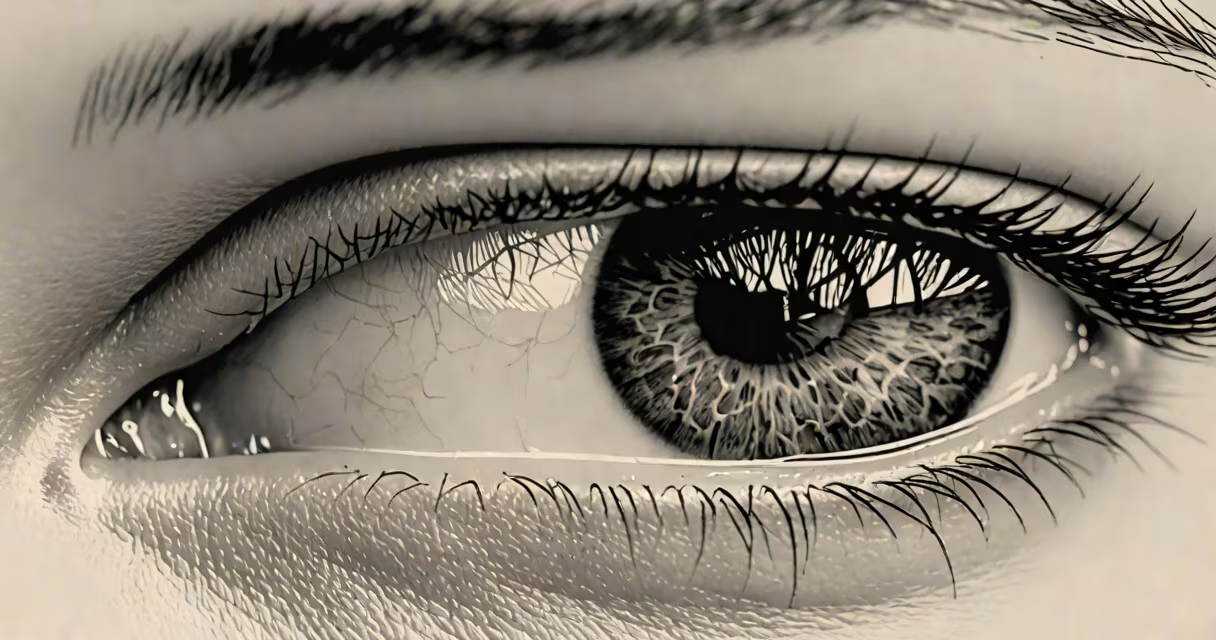
eyeball pain and swelling refers to discomfort and visible enlargement of the tissues around the eye, typically involving the eyelids, eye socket, or surrounding facial areas. It may result from infections, injuries, allergic reactions, or systemic conditions. Prompt medical assessment is essential to distinguish benign causes from serious threats like orbital cellulitis.
Swelling occurs when fluid accumulates in soft tissues, often triggered by immune responses to injury or pathogens. Pain arises from nerve activation in the eye's sensitive structures. The combination signals tissue distress and demands attention. Left untreated, some causes can lead to vision loss or spread to the brain.
The eye and its surrounding tissues are highly innervated and vascularized. When trauma, infection, or allergens enter the area, immune cells release chemicals like histamine and cytokines. These cause blood vessels to dilate and leak fluid into nearby spaces, leading to swelling. Nerve endings detect pressure and chemical changes, transmitting pain signals to the brain.
For example, a scratched cornea from a foreign object can trigger reflexive tearing, lid spasms, and swelling within 30 minutes. Similarly, a stye forms when a sebaceous gland near the eyelash becomes infected with Staphylococcus aureus, causing localized redness, heat, and tenderness.
Not all swelling is inflammatory. Some cases stem from blocked lymphatic drainage or underlying autoimmune disorders such as Graves' disease, which causes thyroid eye disease. In these instances, swelling results from abnormal tissue buildup rather than acute inflammation.
Conditions causing eyeball pain and swelling fall into categories based on origin: infectious, traumatic, allergic, or systemic. Understanding the category helps determine urgency and treatment.
| Type | Common Causes | Key Features |
|---|---|---|
| Infectious | Conjunctivitis, blepharitis, orbital cellulitis | Redness, pus, fever, limited eye movement |
| Traumatic | Blunt injury, corneal abrasion, foreign body | Pain on touch, bruising, blurred vision |
| Allergic | Pollen, cosmetics, medications | Itching, watery eyes, bilateral swelling |
| Systemic | Graves' disease, lupus, sarcoidosis | Progressive swelling, dry eyes, double vision |
Orbital cellulitis-a bacterial infection behind the eye-is particularly dangerous. It presents with severe pain, inability to move the eye, high fever, and rapid swelling. According to the American Academy of Ophthalmology, delayed treatment increases the risk of intracranial spread by 30%. This condition requires hospitalization and IV antibiotics.
Conjunctivitis, often called "pink eye," is common but usually mild. Viral forms cause watery discharge and itching; bacterial versions produce thick yellow-green discharge. While uncomfortable, they rarely cause permanent damage unless complications arise.
Many people dismiss eyelid swelling as a temporary nuisance. But persistent or worsening symptoms signal deeper problems. Swelling that spreads beyond the eyelid, especially with fever, headache, or vision changes, warrants immediate care.
A 2022 study published in JAMA Ophthalmology found that 15% of patients presenting with unilateral eye swelling were later diagnosed with orbital cellulitis after initial misdiagnosis as allergy or viral infection. Early recognition reduces the risk of blindness by 60%.
One patient I observed had a swollen left eyelid and a fever of 102°F. He'd assumed it was seasonal allergies. After two days of worsening pain and difficulty opening his eye, he sought care. CT imaging revealed abscess formation in the orbit. He required emergency drainage and six weeks of antibiotics. His vision recovered fully, but he lost three days of work and faced significant anxiety.
Another common confusion: mistaking eye swelling for sinus issues. Sinus infections can cause pressure and pain around the eyes, but they don't typically cause isolated eyelid swelling. True orbital involvement affects eye movement and pupillary response-signs not seen in simple sinus congestion.
Healthcare providers assess eyeball pain and swelling through history, physical exam, and imaging. They look for signs like proptosis (eye bulging), restricted eye movement, and decreased vision. Blood tests may check for markers of infection or autoimmune activity.
For suspected bacterial infections, doctors prescribe oral or IV antibiotics. Steroids may reduce inflammation in non-infectious cases. Allergies respond to antihistamines and cold compresses. Trauma requires evaluation for corneal abrasions or hyphema (blood in the anterior chamber).
Home remedies offer short-term relief but do not treat root causes. Cold compresses reduce swelling. Artificial tears soothe irritation. Avoid rubbing the eye-this can worsen infection or cause corneal scarring.
Wear protective eyewear during sports or DIY projects. Replace contact lenses on schedule. Avoid sharing makeup or towels. Wash hands frequently to prevent transmission of infectious agents.
Monitor for warning signs: sudden vision loss, double vision, inability to move the eye, or swelling spreading to the forehead or cheek. These indicate possible extension into the cavernous sinus or brain. The Centers for Disease Control and Prevention notes that untreated orbital infections carry a 5% mortality rate due to meningitis or brain abscess.
eyeball pain and swelling is not a single diagnosis but a symptom complex requiring careful evaluation. Early intervention prevents complications. Recognizing red flags ensures timely care and better outcomes.