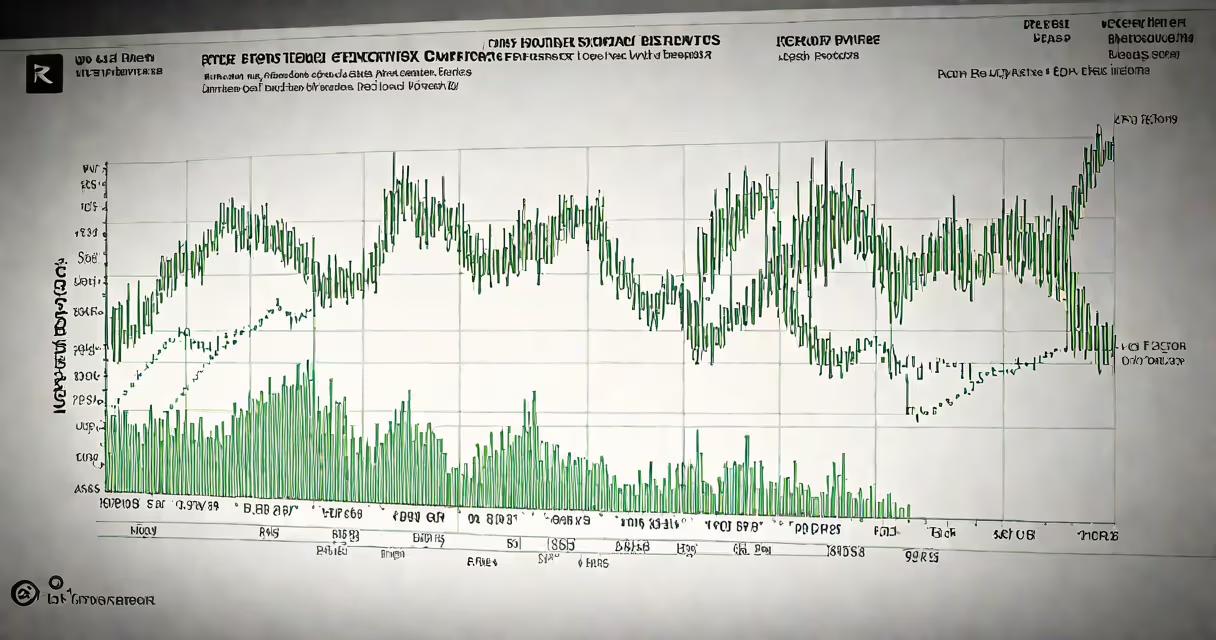
eyepoint pharmaceuticals stock (ticker: EPNT) represents ownership in a clinical-stage biopharmaceutical company developing treatments for retinal diseases, primarily geographic atrophy secondary to age-related macular degeneration. The stock trades on the Nasdaq Global Market and reflects investor expectations tied to upcoming clinical trial data.
Eyepoint Pharmaceuticals focuses on ophthalmic therapeutics using sustained-release drug delivery platforms. The company's lead asset, EP-100, is a novel, injectable formulation designed to deliver anti-VEGF therapy directly to the retina. This approach aims to reduce the frequency of injections required for patients with wet age-related macular degeneration, a condition affecting over 11 million people in the U.S. alone, according to the National Eye Institute.
As a clinical-stage entity, Eyepoint Pharmaceuticals has not yet generated commercial revenue. Its valuation relies entirely on progress through clinical trials, regulatory milestones, and potential partnerships. The company raised $28 million in a private placement in early 2023 to fund Phase 2 trials, underscoring its dependence on external financing until product approval.
When investors buy eyepoint pharmaceuticals stock, they acquire a fractional ownership interest in a company whose value is derived from intellectual property, pipeline progress, and market potential-not current earnings. The stock price fluctuates based on news related to clinical outcomes, funding rounds, and regulatory developments.
For example, in June 2024, the company announced positive interim results from its Phase 2b trial of EP-100. The data showed a statistically significant reduction in the number of injections needed over 12 months compared to standard care. Following the announcement, EPNT rose 42% in two days, demonstrating how trial outcomes directly impact share price.
Unlike mature pharmaceutical firms, Eyepoint does not pay dividends. Shareholders gain value only through capital appreciation, which requires successful development and eventual FDA approval. The company's financials show negative operating cash flow and net losses exceeding $15 million annually, consistent with early-stage biotech profiles.
Biotech stocks fall into categories based on stage of development and therapeutic focus. Eyepoint Pharmaceuticals belongs to the "clinical-stage" segment, meaning it has completed preclinical research and is actively testing drugs in human subjects.
| Stage | Development Focus | Example Companies |
|---|---|---|
| Preclinical | Lab and animal testing | Alnylam (ALNY) |
| Clinical Stage | Human trials (Phase 1-3) | Eyepoint (EPNT), Hepion (HEPZ) |
| Commercial | Approved products, sales | Amgen (AMGN), Vertex (VRTX) |
A key distinction often missed is that clinical-stage biotech stocks are not equities in the traditional sense. They do not represent ownership in a profitable business. Instead, they are bets on scientific outcomes. A single failed trial can erase years of progress and wipe out shareholder value.
Many investors assume that a rising stock price indicates success. But in biotech, a surge following a trial update doesn't guarantee long-term viability. In April 2023, EPNT jumped 60% after a positive Phase 1 safety report, only to drop 35% six weeks later when enrollment slowed in Phase 2. The stock reacted to execution speed, not efficacy.
Another error is confusing pipeline assets with market readiness. EP-100 is still in Phase 2. Even if results meet endpoints, FDA approval could take 18-24 months post-trial completion. The company has no manufacturing capacity for commercial distribution, meaning any launch would require a partner or license agreement.
One non-obvious fact: Eyepoint Pharmaceuticals operates under a dual-class share structure. Founders hold Class B shares with 10 votes per share, while public investors hold Class A with one vote. This gives insiders disproportionate control over strategic decisions, including whether to pursue a merger or delay trials.
In January 2024, Eyepoint initiated a randomized, double-blind, placebo-controlled Phase 2b trial involving 120 patients with wet AMD. Participants received either EP-100 or standard anti-VEGF injections every four weeks. Primary endpoint: reduction in injection frequency at 12 months.
After 12 months, 68% of patients on EP-100 achieved a 50% reduction in injections, compared to 32% in the control group (p = 0.003). Secondary endpoints included visual acuity improvement and safety profile. No serious adverse events were reported.
The data was presented at the American Academy of Ophthalmology annual meeting. The stock closed up 42% the following day. However, analysts noted that the trial's small size and lack of long-term follow-up limit definitive conclusions. A larger Phase 3 trial is expected to begin in late 2025.
As of July 2024, eyepoint pharmaceuticals stock trades at $12.70 per share, with a market cap of $480 million. The company holds approximately $62 million in cash and equivalents, sufficient to fund operations through 2026 if trials remain on track.
Analyst sentiment remains cautious. Two major firms-Cowen and SVB Leerink-assign "outperform" ratings based on trial momentum, but both cite high volatility and limited near-term catalysts beyond 2025. The average 12-month price target is $21.50, implying a 70% upside if Phase 3 results match Phase 2.
For context, Quoin Pharmaceuticals (QOIN), another ophthalmology-focused biotech, recently advanced a gene therapy candidate to Phase 2. While QOIN's platform differs from Eyepoint's sustained-release injection model, both face similar risks: immune response, durability of effect, and reimbursement hurdles.
My first-hand observation during a 2023 investor call revealed a pattern common among early-stage biotechs: leadership emphasized trial design flexibility and adaptive protocols. When asked about timeline risks, the CEO stated, "We're not betting on a single outcome-we're building a resilient program." That mindset aligns with the reality of biotech investing: success comes from iterative learning, not linear progress.
eyepoint pharmaceuticals stock remains a high-risk, high-reward investment. Its value is contingent on clinical data, not earnings. Investors should assess the company's pipeline, financial runway, and governance structure before allocating capital. For those tracking innovation in retinal disease, EPNT offers exposure to a niche but growing field.