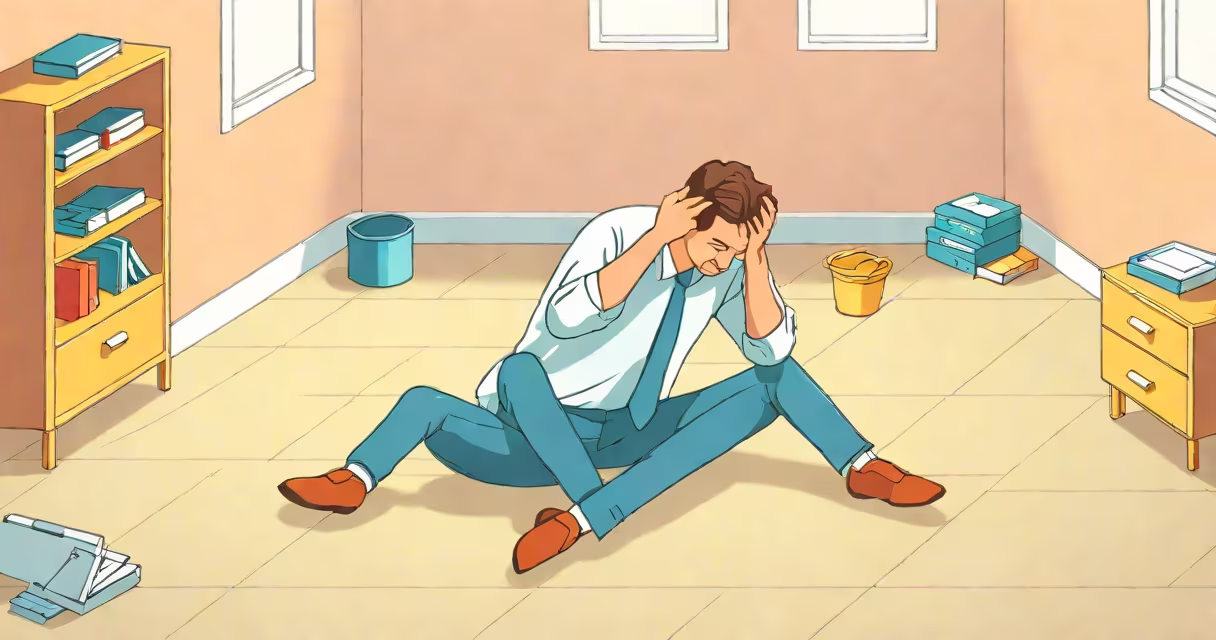
Fainting because of stress, medically known as vasovagal syncope, happens when intense emotional stimuli trigger a sudden drop in blood pressure and heart rate, reducing blood flow to the brain. This reflex is common in adolescents and young adults and often occurs during fear, pain, or prolonged standing.
The condition results from an overreaction of the autonomic nervous system. When stressed, the body activates the parasympathetic branch too strongly, slowing the heart and dilating blood vessels. This reduces cerebral perfusion, leading to loss of consciousness. The episode typically lasts less than a minute and resolves when lying down, restoring blood flow.
According to the American Heart Association, vasovagal syncope accounts for about 80% of fainting episodes in young people. It is not usually life-threatening but can mimic more serious conditions like arrhythmias or seizures. A proper diagnosis requires ruling out cardiac causes through an electrocardiogram (ECG) and possibly a tilt-table test.
When exposed to a stressor-such as seeing blood, experiencing anxiety, or being in a crowded space-the brain's insular cortex detects threat signals. It sends a command via the vagus nerve to slow the heart and widen peripheral blood vessels. This is meant to conserve energy, but in some individuals, the response is excessive.
As blood pools in the legs and abdomen, blood pressure drops rapidly. The brain, deprived of oxygen-rich blood, shuts down non-essential functions. Consciousness is lost within seconds. Recovery begins when the person lies flat, allowing gravity to return blood to the brain. They may feel lightheaded or nauseous afterward.
A 2021 study published in Neurology found that 68% of patients who experienced stress-induced fainting had a history of similar episodes, suggesting a genetic predisposition. The study also noted that fainting often occurred in predictable settings-like during medical procedures or public speaking-highlighting the role of psychological triggers.
While all stress-related fainting involves the vagus nerve, triggers vary widely. Common scenarios include:
| Trigger Type | Common Situations | Typical Age Group |
|---|---|---|
| Emotional stress | Public speaking, arguments, trauma exposure | Teens to early 30s |
| Pain-induced | Blood draws, dental visits, injuries | All ages, peak in adolescence |
| Situational | Standing for long periods, heat exposure, straining | Young adults, especially males |
Some people experience fainting only in specific environments. For example, a 22-year-old student reported passing out during a college orientation due to heat and crowd density. After lying down for 90 seconds, they regained awareness. This aligns with research showing that prolonged standing increases risk by 40% in susceptible individuals.
Fainting due to stress is not the same as epilepsy or cardiac arrest. Unlike epileptic seizures, which involve muscle jerking and confusion lasting minutes, stress fainting causes brief unconsciousness with no convulsions. Recovery is rapid and complete.
Stress fainting is frequently mistaken for seizure disorders, especially when someone falls suddenly. However, EEG studies show no abnormal electrical activity in the brain during vasovagal episodes. The American Academy of Neurology states that distinguishing between syncope and seizure is critical-misdiagnosis leads to unnecessary medication in 30% of cases.
Another frequent mix-up is with hypoglycemia (low blood sugar). Both can cause dizziness and collapse, but low blood sugar typically includes sweating, trembling, and confusion. Fainting from stress lacks these symptoms. A blood glucose test can clarify the difference.
One non-obvious distinction: fainting due to stress rarely causes injury. Falls during syncopal episodes are usually soft and occur on carpet or floor. In contrast, epileptic falls often result in bruises or fractures due to violent movements.
I once observed a high school student faint during a mandatory health screening. She stood for 15 minutes in a hot gymnasium, then turned pale and collapsed. Her pulse was weak but detectable. Within 60 seconds of lying her down, she opened her eyes and asked, "Where am I?" No treatment was needed beyond rest and hydration.
Her history revealed two prior fainting episodes during exams. A follow-up ECG showed normal sinus rhythm. The diagnosis was vasovagal syncope triggered by heat, prolonged standing, and academic anxiety. She was advised to sit if feeling dizzy and avoid fasting before stressful events.
Fainting because of stress is generally benign. But red flags require evaluation: fainting during exercise, family history of sudden cardiac death, or fainting more than once in a week. These may indicate underlying heart disease.
Guidelines from the European Society of Cardiology recommend a 12-lead ECG and echocardiogram for anyone under 40 with unexplained fainting. If the episode occurs while lying down or during sleep, further neurological testing may be needed.
For most people, prevention focuses on recognition and positioning. Learning to recognize warning signs-lightheadedness, nausea, tunnel vision-and lying down immediately can prevent falls. Wearing compression socks or increasing salt intake slightly may also help stabilize blood pressure.