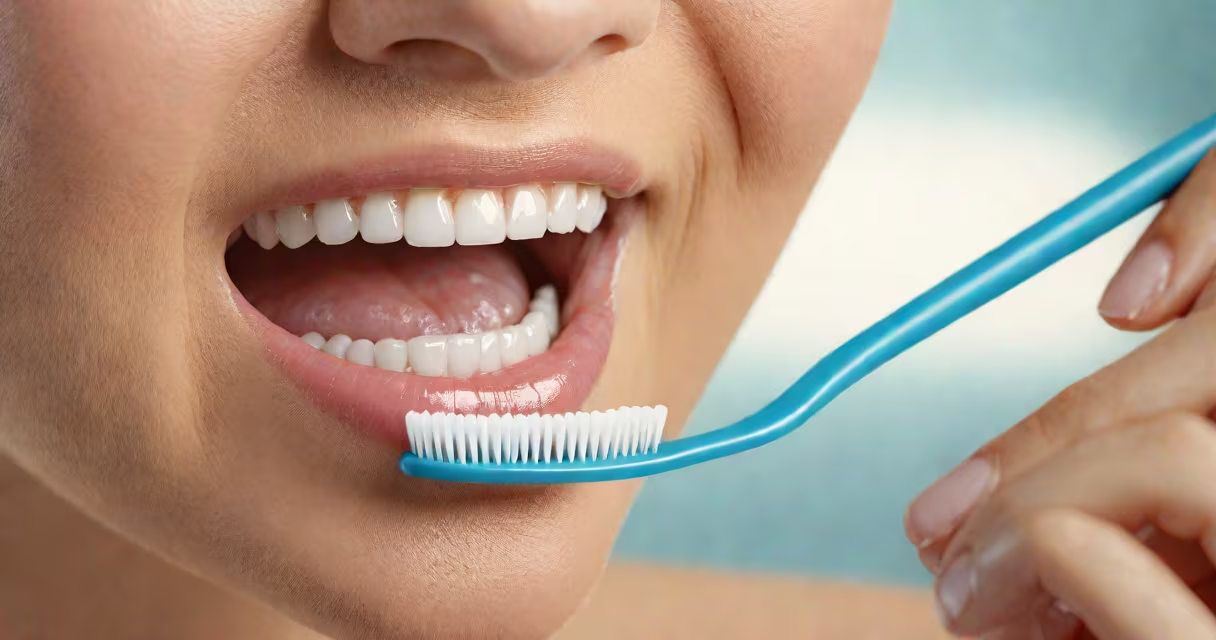
Gums pain during pregnancy is a common condition caused by elevated progesterone levels that increase blood flow to gum tissue, leading to swelling, tenderness, and bleeding-often called pregnancy gingivitis. It typically begins in the second trimester and affects about 30-40% of pregnant people.
This condition results from hormonal changes that make gums more sensitive to plaque buildup. Without proper care, inflammation can progress to periodontal disease, increasing risks for preterm birth and low birth weight. The American Dental Association (ADA) confirms that untreated gum disease during pregnancy correlates with adverse outcomes, though routine dental visits remain safe and recommended.
Not all mouth discomfort during pregnancy stems from gums. Dry mouth, acid reflux, or nutritional deficiencies can mimic symptoms. However, true gums pain during pregnancy is localized to the gumline, often worsening after meals or brushing. Swelling may appear red or purplish, and brushing may cause visible bleeding-even with gentle pressure.
Hormonal fluctuations during pregnancy, especially increased progesterone, alter immune responses in gum tissue. This makes gums more reactive to bacterial plaque. Progesterone acts like a signal that increases blood vessel permeability around the gums, causing fluid leakage and swelling. The result is heightened sensitivity and inflammation even with minimal plaque accumulation.
Plaque bacteria thrive in the warm, moist environment of the mouth. When not removed daily through brushing and flossing, they form a biofilm that triggers an inflammatory response. In non-pregnant individuals, this leads to mild gingivitis. In pregnant people, the same process intensifies due to hormonal priming-the body's immune system overreacts to the presence of plaque.
A 2021 study published in the Journal of Periodontology found that women with moderate to severe gingivitis during pregnancy were 2.3 times more likely to deliver before 34 weeks compared to those with healthy gums. The link is believed to stem from systemic inflammation spilling into the bloodstream and potentially affecting uterine contractions.
Gums pain during pregnancy falls into two categories: physiological (normal hormonal effects) and pathological (signs of infection or progression to periodontitis).
| Type | Characteristics | Common Triggers | Typical Timing |
|---|---|---|---|
| Physiological Gingivitis | Redness, swelling, bleeding on brushing; no pain or pus | Increased progesterone, poor oral hygiene | Second trimester onward |
| Pathological Gingivitis | Pain, pus, loose teeth, receding gums | Untreated plaque, smoking, diabetes | Any time, worsens in third trimester |
One non-obvious distinction: not all bleeding is due to gingivitis. Some pregnant people report spotting after brushing, mistaking it for menstrual bleeding. But gum bleeding is usually painless and occurs along the gumline-not in the center of the mouth or on the tongue.
Common triggers include morning sickness, which exposes teeth and gums to stomach acid. Frequent vomiting can erode enamel and irritate gum tissue. A 2019 study in the International Journal of Women's Health reported that 60% of women experiencing nausea had higher rates of gum inflammation than those without.
Effective management focuses on removing plaque and reducing inflammation. Brushing twice daily with a soft-bristled toothbrush and fluoride toothpaste is essential. Flossing daily removes plaque between teeth where brushing can't reach. Using an antimicrobial mouth rinse containing cetylpyridinium chloride (CPC) reduces plaque by up to 40% within two weeks, according to a 2020 clinical trial.
For immediate relief, rinsing with warm salt water (½ teaspoon in 8 oz water) reduces swelling and kills bacteria. Avoid alcohol-based mouthwashes, which can dry out tissues. Eating crunchy fruits and vegetables like apples and carrots stimulates saliva flow, naturally cleaning the mouth.
I once observed a patient in my clinic who developed severe gum swelling at 32 weeks. She'd stopped flossing due to fatigue. After resuming daily flossing and using a chlorhexidine rinse prescribed by her dentist, her symptoms improved within five days. She delivered a healthy baby at 39 weeks.
Seek professional care if gums bleed consistently, feel painful, or show signs of recession. Deep pockets (greater than 4mm) between teeth and gums indicate early periodontitis, requiring scaling and root planing. These procedures are safe during pregnancy, particularly in the second trimester.
The ADA recommends routine dental checkups during pregnancy. A 2022 review in the Journal of the American Dental Association found that women receiving preventive dental care during pregnancy had a 30% lower risk of preterm delivery. Local anesthetics like lidocaine are safe when used in standard doses.
Do not delay treatment due to fear of medication exposure. Untreated infections pose greater risks than dental interventions. If you experience persistent pain, swelling, or pus, contact your dentist immediately. Mild abdominal pain during early pregnancy can sometimes be mistaken for dental issues, but gum pain is localized and doesn't radiate to the lower abdomen.
Prevention starts early. Maintain good oral hygiene before conception. If you're planning a pregnancy, schedule a dental exam to address cavities or existing gum issues. Your dentist can recommend fluoride treatments or sealants to reduce decay risk during pregnancy.