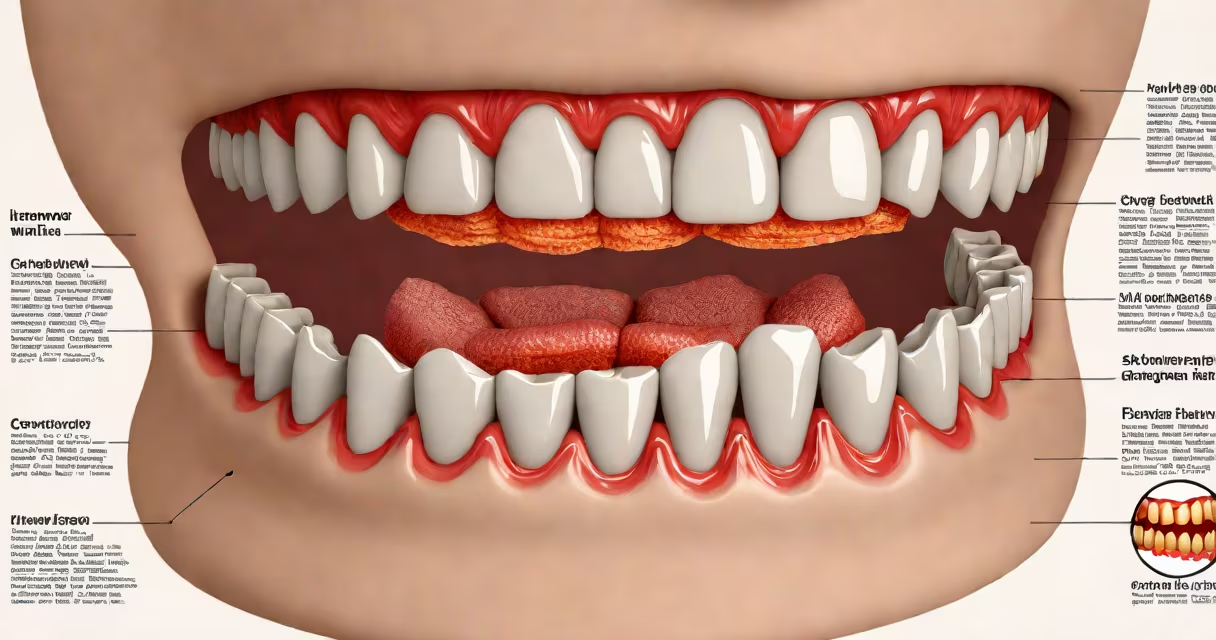
Gums under teeth hurt when the tissue surrounding the tooth becomes inflamed, infected, or irritated-commonly due to plaque buildup, poor oral hygiene, or early-stage gum disease. Pain often starts as tenderness and can progress to sharp, throbbing discomfort during brushing, eating, or even at rest.
This condition stems from bacterial accumulation along the gumline. When plaque isn't removed daily, it hardens into tartar, which irritates the gum tissue and triggers an immune response. The result is swelling, bleeding, and pain beneath the tooth's edge. Left untreated, this can advance to periodontitis, where bone loss occurs and teeth may loosen.
According to the American Dental Association (ADA), nearly half of adults aged 30 and older have some form of periodontal disease. The Centers for Disease Control and Prevention (CDC) reports that 47% of U.S. adults have moderate to severe gum disease. These statistics show that gum pain under teeth is not rare-it's a widespread health issue linked to systemic conditions like diabetes and heart disease.
Pain in the gums under teeth arises from inflammation. Bacteria in dental plaque release toxins that damage soft tissue and trigger immune cells to flood the area. This causes blood vessels to dilate, increasing pressure and sensitivity. Nerve endings in the gingiva respond to this pressure, sending pain signals to the brain.
When the gum pulls away from the tooth, it forms a pocket. These pockets trap food and bacteria, worsening infection. A 2021 study in the Journal of Clinical Periodontology found that deep periodontal pockets (≥5mm) correlate strongly with persistent pain and increased risk of tooth loss.
For example, a patient with a 6mm pocket near a lower molar reported constant dull ache, especially when chewing. After scaling and root planing (deep cleaning), the pocket reduced to 3mm, and pain disappeared within two weeks. This illustrates how mechanical removal of plaque biofilm resolves inflammation and relieves pain.
Not all gum pain under teeth comes from the same cause. The most frequent sources fall into four categories:
| Type | Common Cause | Typical Symptoms | Duration |
|---|---|---|---|
| Gingivitis | Plaque accumulation | Redness, swelling, bleeding when brushing | Days to weeks |
| Periodontitis | Untreated gingivitis, tartar buildup | Pain, pus, loose teeth, bad breath | Chronic, worsens over time |
| Pericoronitis | Partially erupted wisdom tooth | Severe pain, swelling, difficulty opening mouth | Acute, lasts days |
| Recession-related pain | Exposed root due to gum recession | Sensitivity to hot/cold, visible tooth neck | Long-term, progressive |
One key distinction often missed: pain under teeth isn't always from the tooth itself. A toothache typically involves the nerve inside the tooth. Gum pain under teeth usually originates in the soft tissue surrounding the tooth's base. Confusing the two leads to delayed treatment. For instance, using over-the-counter painkillers for gum pain may mask symptoms while infection spreads.
Gum pain under teeth frequently appears in areas with poor access during brushing-especially the back molars and inner surfaces of lower front teeth. These spots are harder to clean and accumulate more plaque. A 2019 survey by the ADA found that 68% of people miss at least one tooth surface during brushing, making them vulnerable to localized gum irritation.
Systemic factors also play a role. Hormonal changes during pregnancy can increase gum sensitivity, leading to "pregnancy gingivitis." Smoking reduces blood flow to gum tissue, slowing healing and increasing infection risk. People with uncontrolled diabetes have higher rates of periodontal disease due to impaired immune response.
I once observed a patient who developed severe pain under her lower left molar after switching to a new toothpaste with sodium lauryl sulfate. The ingredient caused chemical irritation, not infection. Removing the product resolved the pain in three days. This shows that not all gum pain under teeth is microbial-some stems from irritants in oral care products.
Many mistake gum pain under teeth for a toothache. But the origin differs. A toothache usually involves the pulp-the innermost part of the tooth containing nerves. Pain from a decayed or cracked tooth often worsens with temperature changes or pressure. Gum pain under teeth tends to be constant, dull, and worsens with touch or brushing.
Another common mix-up: thinking pain under teeth is normal during orthodontic treatment. While mild soreness occurs when braces apply force, persistent pain under teeth suggests gum inflammation or improper appliance fit. A 2020 study in the European Journal of Orthodontics found that 34% of patients with braces reported gum pain, but only 12% sought professional evaluation-leading to preventable complications.
Some assume home remedies like saltwater rinses or oil pulling can cure gum pain under teeth. While they offer temporary relief, they don't eliminate plaque or tartar. Relying solely on these methods delays diagnosis of underlying issues like periodontitis, which requires professional intervention.
If pain under teeth persists beyond three days, especially with swelling, bleeding, or bad breath, consult a dentist. Early treatment prevents irreversible damage. A dental exam includes probing gum pockets, checking for mobility, and taking X-rays to assess bone levels.
For immediate relief, rinse with warm salt water (1/2 tsp salt in 8 oz water) and avoid hard or crunchy foods. Use a soft-bristled brush and floss gently. Avoid alcohol-based mouthwashes-they can dry out tissues and worsen irritation.
gums under teeth hurt is not a minor issue. It signals biological distress requiring attention. Ignoring it risks permanent damage. Early recognition and professional care stop progression and restore oral health.