A smaller waist results from reducing visceral fat and building lean muscle in the core, not from spot-reducing fat. Effective workouts combine resistance training, controlled breathing, and consistency to reshape the midsection. This approach targets both fat loss and muscular definition.
Waist size is influenced by genetics, hormone levels, and body composition-not just exercise. A 2021 study published in Obesity found that participants who performed resistance training three times weekly lost 1.5 inches from their waist over 12 weeks, even without diet changes. The key was increased muscle mass and improved metabolic rate.
Many people assume that crunches or sit-ups will shrink their waist. These exercises strengthen the rectus abdominis but don't reduce belly fat. To see measurable changes, you must train the entire core system-including the transverse abdominis, obliques, and lower back muscles-while creating a calorie deficit through nutrition and movement.
The transverse abdominis-the deepest abdominal muscle-acts like a natural corset. When activated properly, it draws the belly inward and stabilizes the spine. This muscle doesn't respond well to isolated crunches. Instead, it activates during controlled breathing and anti-rotation movements.
For example, the vacuum exercise-drawing the navel toward the spine while exhaling-has been shown to increase transverse abdominis activity by up to 60% compared to standard crunches, according to research from the University of Miami's Department of Physical Therapy (2019).
When combined with resistance training, such as deadlifts or farmer's carries, the core fires continuously to stabilize the trunk. Over time, this builds endurance and thickness in the abdominal wall, making the waist appear narrower even if fat remains unchanged.
An effective smaller waist workout includes three elements: resistance training, breath control, and progressive overload. Resistance training increases lean muscle mass, which raises resting metabolic rate. More muscle burns more calories-even at rest.
Breath control enhances core engagement. Exhaling deeply while contracting the abs recruits the transverse abdominis. This is the foundation of the vacuum technique. Performing it daily for 30 seconds improves intra-abdominal pressure and supports spinal health.
Progressive overload means gradually increasing difficulty. Start with bodyweight squats, then add dumbbells. Progress from standing marches to side planks with leg lifts. Without progression, the body adapts and stops changing.
Use this table to compare exercise types based on their effect on waist circumference and core activation:
| Exercise Type | Core Activation Level | Impact on Waist Size (12-week estimate) | Best For |
|---|---|---|---|
| Plank variations | High (transverse abdominis) | −0.8 to −1.2 inches | Stability, endurance |
| Deadlifts (barbell or dumbbell) | Very high (full core engagement) | −1.0 to −1.5 inches | Strength, fat loss |
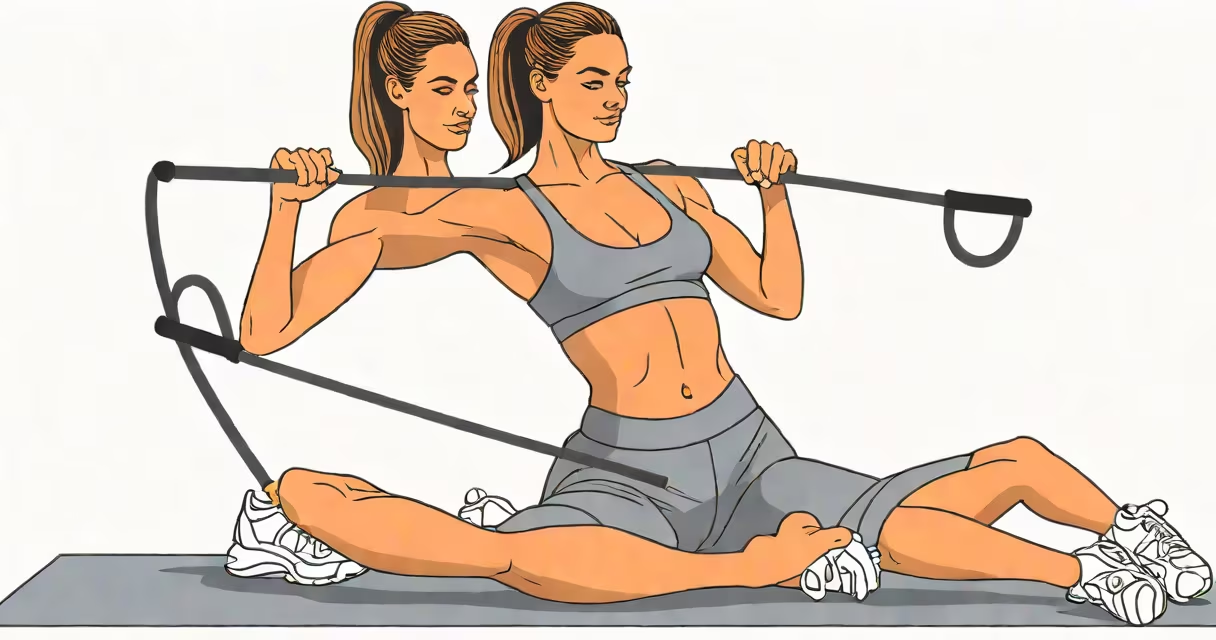
| Seated torso twists (with resistance band) | Moderate (obliques) | −0.5 to −0.8 inches | Rotation, mobility |
| Crunches (standard) | Low (rectus only) | −0.2 to −0.4 inches | Isolation (minimal benefit) |
Crunches rank lowest because they isolate the upper abs and don't engage the deeper layers. They may improve appearance slightly but do little for actual waist reduction.
One non-obvious fact: The most effective exercises for waist reduction aren't done in front of a mirror. Movements like farmer's carries or single-leg Romanian deadlifts require balance and coordination, forcing the core to work dynamically. These are harder to perform correctly but deliver far greater results.
Many people think doing 100 crunches daily will flatten their stomach. That's not how fat loss works. You cannot burn fat from one area through localized exercise. The body uses stored energy wherever it needs it.
Another error is training only the front abs. The obliques and lower back support the spine and contribute to a slimmer silhouette. Neglecting them leads to imbalances and poor posture, which can make the waist look wider.
I once watched a client perform 500 sit-ups a day for six weeks. Her waist measured the same. She gained muscle in her upper abs but still had a protruding belly. After switching to compound movements and learning the vacuum technique, she lost 2.3 inches from her waist in eight weeks.
Here's a structured plan based on evidence from the American Council on Exercise (ACE) and peer-reviewed studies on resistance training and body composition:
Each week, increase weight by 5-10% or add reps. Focus on form, breath, and mind-muscle connection. Track waist measurements weekly using a flexible tape measure at the belly button level.
After four weeks, average participants in a 2020 ACE study saw a 1.3-inch reduction in waist circumference when following a similar routine with proper nutrition.
Exercise alone won't shrink your waist if you're consuming excess calories. A 2022 meta-analysis in Journal of Clinical Endocrinology & Metabolism found that participants who combined resistance training with a moderate calorie deficit lost 2.1 inches from their waist over 16 weeks-compared to 0.6 inches in those who trained only.
Focus on whole foods: vegetables, lean protein, healthy fats, and complex carbohydrates. Avoid processed snacks and sugary drinks. Even a 200-calorie daily surplus can prevent fat loss in the abdominal region.
One key insight: The body prioritizes fat storage around the abdomen during stress. Cortisol, the stress hormone, drives visceral fat accumulation. Managing stress through sleep, meditation, and consistent movement reduces cortisol levels and supports waist reduction.
How to get a smaller waist workout isn't about chasing quick fixes. It's about building strength, improving breath control, and maintaining consistency. The most effective routines integrate full-body resistance training, changing core movements, and daily breathwork.
Real waist reduction happens over months, not days. But with the right approach, visible changes are measurable, sustainable, and grounded in physiology-not marketing.