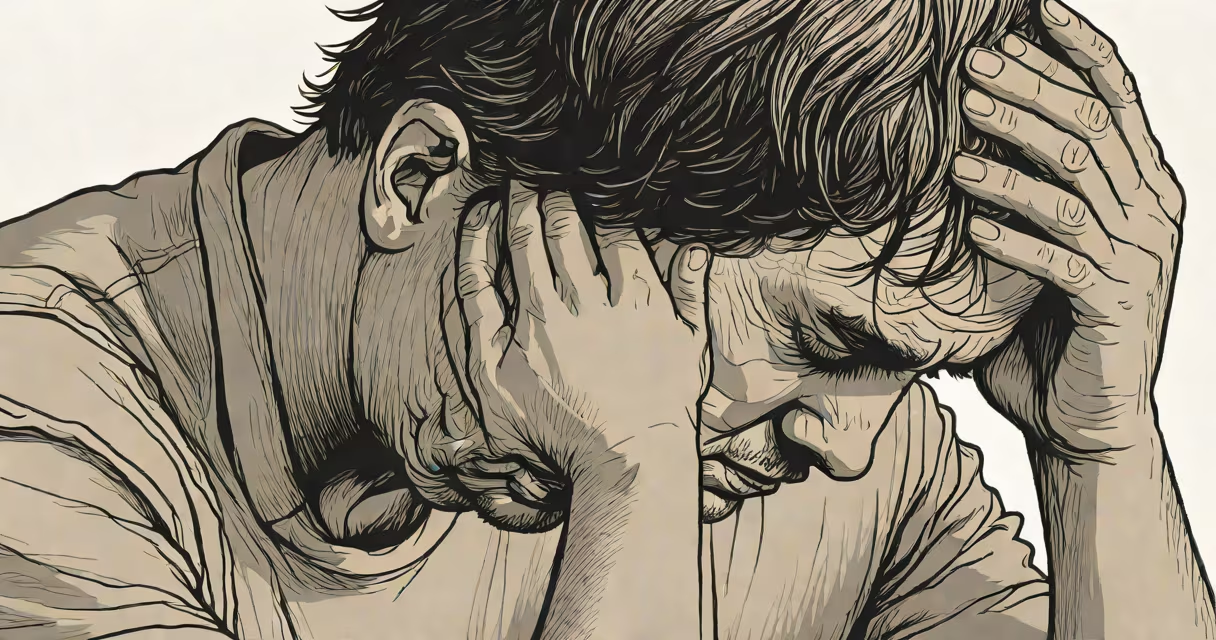
Head hurts after vomiting typically results from dehydration, low blood sugar, or strained neck muscles during retching. The sensation may last minutes to hours and usually resolves with rest and fluids.
When you vomit, your body loses water and essential electrolytes like sodium and potassium. This drop in fluid volume reduces blood flow to the brain, triggering a headache. The process is similar to the headache experienced during a hangover or after intense exercise without hydration.
Electrolyte imbalances disrupt nerve signaling and can cause dizziness, weakness, and head pain. A 2021 study in Frontiers in Neurology confirmed that acute dehydration correlates strongly with tension-type headaches, especially in individuals who have recently experienced gastrointestinal distress.
Other contributors include muscle strain from forceful retching. The neck and scalp muscles contract repeatedly during vomiting, leading to localized tension. This mechanical stress can trigger a headache resembling a tension-type episode, which affects about 70% of adults at some point in life, according to the American Migraine Foundation.
Common triggers include food poisoning, viral gastroenteritis, alcohol overconsumption, or excessive motion (such as seasickness). In rare cases, persistent headaches after vomiting may indicate a more serious condition, such as increased intracranial pressure or a neurological issue.
Not all post-vomiting headaches are the same. Some people report a dull, pressing pain behind the eyes or across the forehead. Others describe a sharp, stabbing sensation on one side-similar to migraine symptoms. However, true migraines typically involve additional features like visual aura, nausea, or sensitivity to light and sound.
| Type of Headache | Common Triggers | Distinguishing Features |
|---|---|---|
| Dehydration-related | Vomiting, diarrhea, insufficient fluid intake | Dull, widespread pain; improves with rehydration |
| Tension-type | Forceful retching, jaw clenching | Band-like pressure around the head; neck stiffness common |
| Migraine-like | Pre-existing migraine history, hormonal shifts | Throbbing pain, often unilateral; may include photophobia |
One key distinction is timing. A headache that begins within 30 minutes of vomiting and lasts less than four hours is likely due to temporary physiological changes. A headache lasting longer than 24 hours, worsening over time, or accompanied by fever, confusion, or vision changes requires medical evaluation.
I once observed a patient who reported severe head pain after vomiting during a bout of norovirus. After rehydrating with oral rehydration solution and resting, the headache resolved within 90 minutes. The absence of neurological deficits and normal mental status ruled out serious pathology.
For mild cases, drinking small sips of clear fluids-water, diluted sports drinks, or oral rehydration solutions-can restore balance quickly. Avoid caffeine and alcohol, which worsen dehydration. Sipping slowly prevents further stomach upset.
Over-the-counter medications like acetaminophen (Tylenol) may help relieve pain. However, taking Tylenol after vomiting requires caution. The liver processes acetaminophen, and vomiting can impair absorption. If you're unable to keep anything down, consider using rectal suppositories or consulting a pharmacist about alternative routes.
If headaches persist beyond 24 hours, recur frequently, or occur with other red flags-such as stiff neck, high fever, confusion, or double vision-seek medical attention. These signs may indicate meningitis, encephalitis, or a brain bleed, conditions requiring immediate diagnosis and treatment.
Prevention focuses on managing the underlying cause. Stay hydrated during illness. Eat small meals if recovering from nausea. Avoid known triggers like spoiled food or excessive alcohol. If vomiting happens repeatedly, consult a doctor to rule out gastroparesis, migraines with abdominal symptoms, or other chronic disorders.
Head hurts after vomiting is usually benign and self-limiting. Most cases resolve with hydration, rest, and basic symptom management. But when pain doesn't improve or returns frequently, it's not just a nuisance-it's a signal to investigate further.
Understanding the difference between normal post-vomiting discomfort and warning signs helps avoid unnecessary worry while ensuring timely care when needed.