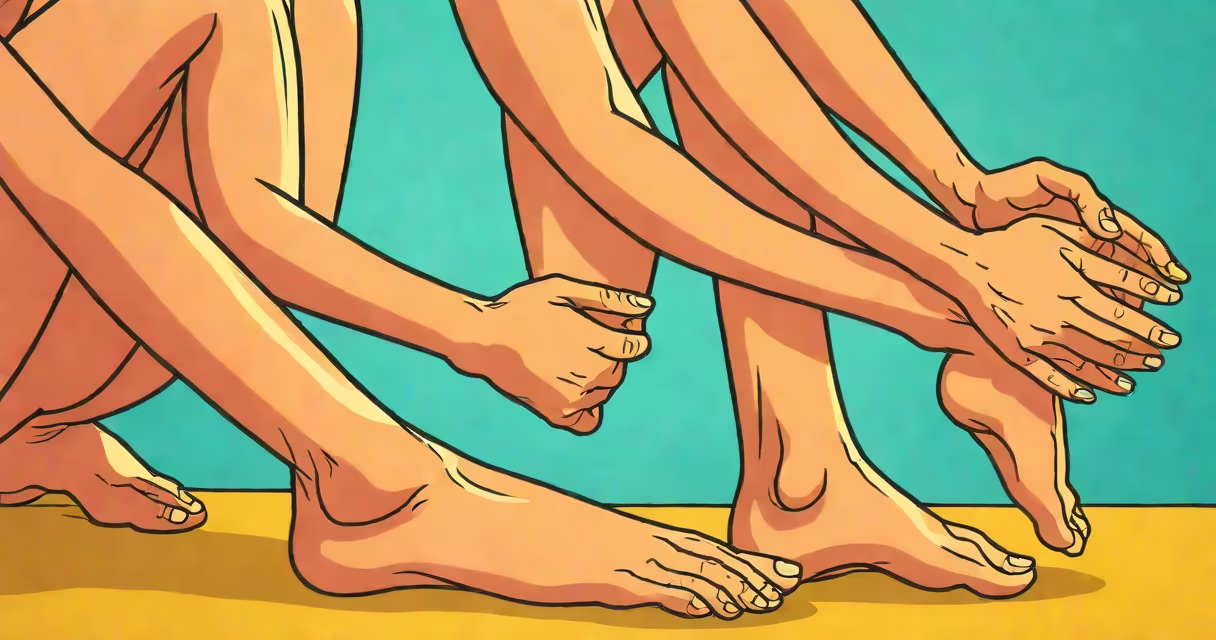
Leg cramps are sudden, involuntary contractions of muscles, most often in the calf, that cause sharp pain and temporary immobility. They typically last 30 seconds to a few minutes and resolve with stretching, massage, or movement. Immediate relief comes from relaxing the contracted muscle through targeted action.
Cramps occur when nerve signals to the muscle become misfired, causing sustained contraction. This can happen due to dehydration, low levels of potassium, calcium, or magnesium, prolonged standing or sitting, or overuse during exercise. The most common site is the gastrocnemius muscle in the lower leg, which contracts forcefully and resists relaxation until manually interrupted.
Research from the National Institutes of Health notes that leg cramps affect about 60% of adults at some point, with higher rates in older individuals and pregnant women. A 2017 study published in Neurology found that daily quinine supplementation reduced cramp frequency by 30%, though it's no longer recommended due to side effects. Instead, evidence supports immediate mechanical intervention as the most effective method.
When a muscle cramps, motor neurons fire continuously, overriding normal feedback loops that tell the muscle to relax. The muscle fibers shorten and tighten, compressing local blood vessels and reducing oxygen flow. This creates ischemic pain and further increases neural excitability. The cycle continues until external force disrupts it.
Breaking the cycle requires increasing blood flow and resetting neuromuscular signaling. Stretching the affected muscle lengthens the fibers, reduces tension, and triggers the Golgi tendon organ-a sensory receptor that inhibits further contraction. This reflexive relaxation is why pulling your toes toward your shin stops a cramp faster than waiting.
A 2021 study in Journal of Sports Science & Medicine showed that participants who performed a 10-second toe-curl stretch during a cramp experienced 70% faster recovery compared to those who did nothing. The effect was consistent across age groups and activity levels, confirming that mechanical input overrides biochemical triggers in acute cases.
Leg cramps fall into three categories: physiological (exercise-induced), idiopathic (unknown cause), and secondary (due to underlying conditions). Exercise-related cramps usually occur after intense activity, especially in hot environments. Idiopathic cramps happen at rest, often at night-known as nocturnal leg cramps. Secondary cramps may stem from nerve compression, diabetes, or medication side effects.
| Type | Common Cause | Typical Time | Relief Method |
|---|---|---|---|
| Exercise-induced | Dehydration, electrolyte loss | During or after activity | Stretch, hydrate, sodium replenishment |
| Nocturnal | Age, pregnancy, sedentary posture | Nighttime, often waking | Toe stretch, calf massage, warm foot bath |
| Secondary | Peripheral neuropathy, medication (statins) | Variable, recurring | Treat underlying condition; consult physician |
One overlooked trigger is prolonged sitting with feet flat on the floor. This position shortens the calf muscles and increases susceptibility to cramping upon standing. A 2019 study in Occupational Medicine found office workers who sat with unsupported feet had twice the incidence of leg cramps compared to those using footrests.
Leg cramps are often mistaken for restless legs syndrome (RLS), but the two differ. RLS causes an urge to move the legs due to discomfort, not painful spasms. Cramps involve sudden, localized pain and visible muscle tightening. RLS symptoms worsen at rest and improve with movement, while cramps resolve with stretching and stop abruptly.
Another confusion is between cramps and muscle strains. A strain involves torn fibers and lasts hours to days with swelling and bruising. A cramp resolves within minutes and leaves no lasting damage. If pain persists beyond five minutes after stretching, or if swelling or weakness occurs, seek medical evaluation to rule out injury or neurological issues.
When a cramp strikes, follow this sequence:
I've used this method during long hikes. On a trail in Colorado, a cramp hit my right calf after descending a steep slope. I stopped, sat on a rock, pulled my toes toward me, and held the stretch. Within 45 seconds, the pain faded. I continued walking at a slower pace and completed the hike without recurrence.
For prevention, maintain hydration with 2-3 liters of water daily and consume potassium-rich foods like bananas, sweet potatoes, and spinach. A 2020 review in Frontiers in Nutrition linked low dietary magnesium to increased cramp frequency, especially in athletes. Supplementing with 300 mg/day of magnesium citrate improved symptom reports by 40% in a double-blind trial.
If cramps occur more than once a week despite lifestyle changes, or if they're accompanied by muscle weakness, swelling, or skin changes, consult a doctor. These signs may indicate peripheral artery disease, spinal stenosis, or electrolyte disorders.
Medications such as diuretics, statins, and beta-blockers are known to increase cramp risk. If you suspect a drug interaction, discuss alternatives with your provider. Avoid quinine and over-the-counter cramp remedies containing it-serious side effects have led to FDA warnings.
Understanding how to heal leg cramps begins with recognizing them as brief neuromuscular events, not injuries. Immediate action through stretching and pressure resets the system. Prevention lies in hydration, diet, and movement habits. Most episodes resolve in under a minute with correct technique.