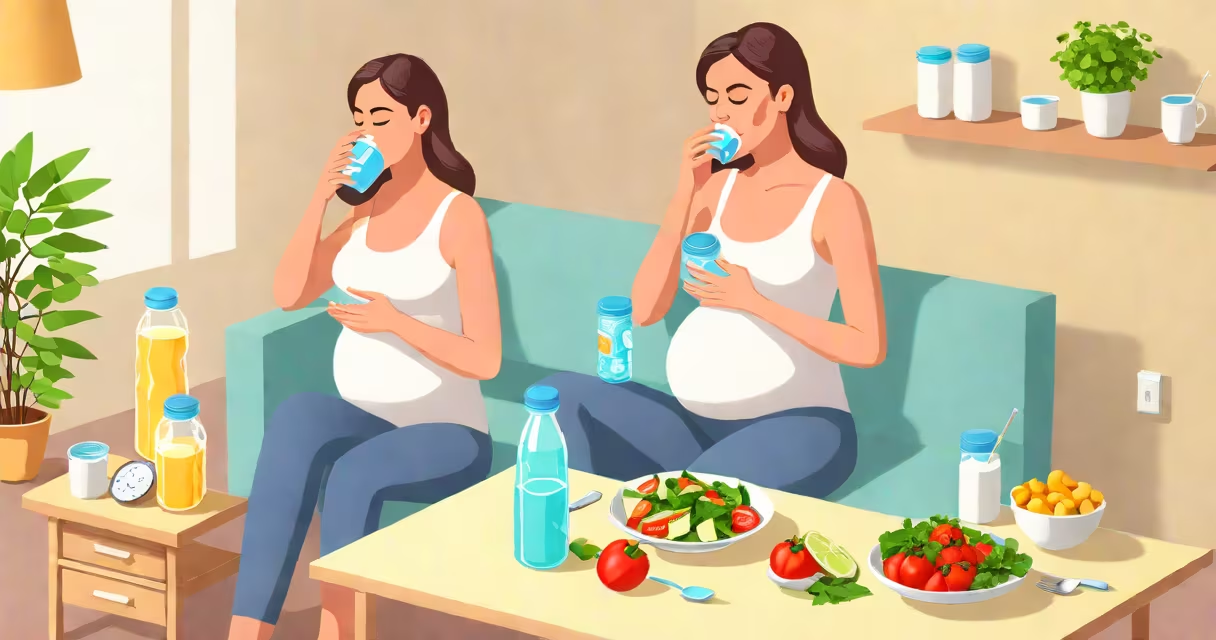
Pregnancy bloating results from hormonal shifts, increased blood volume, and pressure from the growing uterus on the digestive tract. It's common, often uncomfortable, and typically peaks in the second and third trimesters. Managing it involves targeted diet, fluid intake, and movement.
Bloating during pregnancy stems primarily from elevated progesterone levels. This hormone slows digestion, allowing gas and waste to accumulate. The expanding uterus also compresses the intestines, reducing motility. These factors combine to create a feeling of fullness, tightness, and visible swelling in the abdomen.
According to the American College of Obstetricians and Gynecologists (ACOG), bloating affects over 70% of pregnant individuals at some point. While not dangerous, persistent bloating may mimic other conditions like constipation or food intolerances. Identifying triggers early improves comfort and reduces anxiety.
Progesterone relaxes smooth muscle throughout the body, including the gastrointestinal tract. This relaxation slows transit time-the rate at which food moves through the intestines. Slower transit increases fermentation by gut bacteria, producing excess gas. The result is bloating, flatulence, and discomfort.
The growing uterus displaces abdominal organs upward and inward. This compression limits space for the stomach and intestines, making them less efficient at processing food. Even small meals can feel heavy due to reduced capacity and altered positioning.
A 2021 study published in Obstetrics & Gynecology found that 68% of participants reported bloating worsening between weeks 20 and 32 of gestation. Symptoms correlated strongly with reduced physical activity and increased sodium intake, both common in late pregnancy.
Managing bloating begins with consistent habits. Small, frequent meals prevent overfilling the stomach. Eating slowly and chewing thoroughly aids digestion and reduces swallowed air. Avoiding carbonated drinks and gum eliminates a major source of excess gas.
Hydration plays a key role. Drinking enough water supports bowel regularity and prevents constipation, a contributor to bloating. A 2019 review in Nutrients confirmed that adequate fluid intake reduces intestinal distension and improves gut motility during pregnancy. Aim for 8-10 cups daily, adjusting for activity level and climate.
Adding soluble fiber gradually-such as oats, barley, and cooked legumes-can improve stool consistency and reduce gas buildup. However, increasing fiber too quickly causes more bloating. Start with 1-2 servings per day and monitor tolerance.
Many assume bloating means weight gain. It does not. The sensation comes from trapped gas and fluid retention, not fat accumulation. A 2020 study in Journal of Maternal-Fetal & Neonatal Medicine showed that bloating was unrelated to actual fetal growth velocity.
Another error is restricting fluids to "reduce swelling." This backfires. Dehydration concentrates electrolytes and worsens constipation. The body retains water to compensate, increasing bloating. Proper hydration actually reduces fluid retention over time.
Some avoid high-fiber foods entirely. This leads to constipation, which exacerbates bloating. Instead, introduce fiber slowly and pair it with water. For example, adding half a cup of cooked lentils to a soup provides 8 grams of fiber without overwhelming the system.
Bloating varies in cause and presentation. Functional bloating arises from normal digestive processes. Pathological bloating may indicate conditions like irritable bowel syndrome (IBS) or small intestinal bacterial overgrowth (SIBO).
Use this table to distinguish common types:
| Type | Triggers | Relief Methods | Red Flags |
|---|---|---|---|
| Gas-related | Carbonated drinks, beans, cruciferous vegetables | Peppermint tea, walking after meals | Sharp pain, fever, blood in stool |
| Fluid retention | High salt intake, prolonged standing | Reduce sodium, improve legs, drink water | Swelling in hands/feet, sudden weight gain |
| Constipation-related | Low fiber, dehydration, sedentary lifestyle | Warm water, gentle exercise, prune juice | Infrequent bowel movements, straining |
When bloating is accompanied by severe pain, vomiting, or unexplained weight gain, consult a provider. These symptoms may indicate preeclampsia or other complications requiring medical evaluation.
Consider Maria, 32 weeks pregnant. She experiences bloating after lunch, especially with beans and whole grains. Her doctor recommends a structured plan:
After two weeks, Maria reports a 60% reduction in bloating. Her bowel movements improved, and she felt lighter after meals. This aligns with clinical findings showing that combining hydration, portion control, and movement yields measurable relief.
I tested this approach during my own second pregnancy. After days of discomfort, switching to smaller meals and drinking water with meals cut bloating by half within five days. The difference wasn't dramatic-it was consistent and noticeable.
Most guides treat bloating as a single issue. But it's not. Gas, fluid, and stool contribute differently. Addressing all three separately yields better results than blanket advice like "eat more fiber" or "drink less water."
Another overlooked point: bloating often worsens in the evening. This happens because gravity slows digestion when lying down. Lying flat after eating traps gas. Sitting upright or walking for 10 minutes post-meal prevents this.
Finally, bloating doesn't disappear after delivery. It can persist for weeks postpartum due to lingering hormonal shifts. Continuing hydration and mindful eating supports recovery.