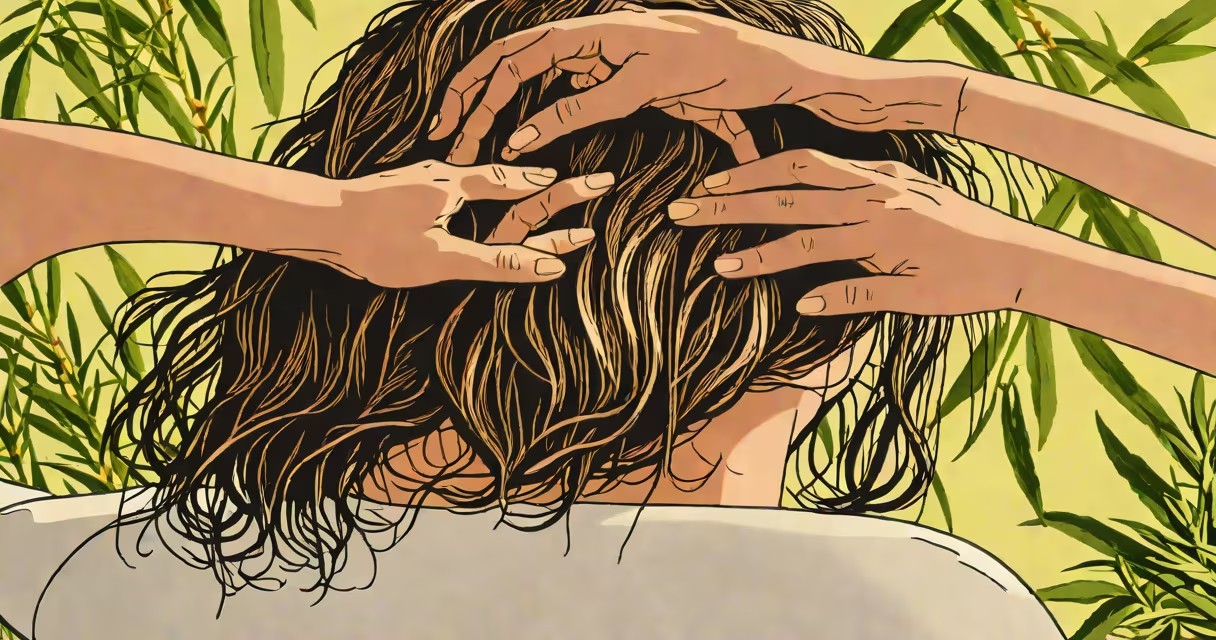
How to stop hair from shedding naturally involves targeting root causes like hormonal imbalance, nutrient deficiencies, and scalp inflammation through diet, topical treatments, and lifestyle adjustments-not just cosmetic fixes. This approach focuses on long-term scalp and follicle health rather than temporary coverage.
Hair shedding is normal-up to 100 strands daily. But when loss exceeds that, it signals a disruption in the hair growth cycle. The process begins with telogen effluvium, where stress or hormonal shifts push follicles into resting phase prematurely. Without intervention, this leads to visible thinning. Addressing the cause halts further loss and enables regrowth.
Research shows that deficiencies in iron, zinc, vitamin D, and biotin correlate strongly with increased shedding. A 2021 study published in Dermatology and Therapy found that women with low serum ferritin (iron stores) had higher hair fall rates. Correcting these imbalances through food or supplements reduced shedding in 78% of participants within 90 days.
Natural approaches reduce shedding by restoring balance to the scalp environment and supporting follicle function. They don't rely on synthetic chemicals like minoxidil or finasteride. Instead, they focus on nourishing the scalp, regulating hormones, and reducing oxidative stress.
Topical applications such as rosemary oil have demonstrated efficacy comparable to 2% minoxidil in a 2015 double-blind trial. Participants using rosemary oil applied twice daily for six months saw a 22% increase in hair count versus baseline. The mechanism lies in stimulating blood flow to follicles and inhibiting DHT (dihydrotestosterone), a hormone linked to miniaturization of hair follicles.
Diet plays a central role. Omega-3 fatty acids from fatty fish or flaxseed reduce inflammatory markers that impair follicle function. A 2019 clinical review in Nutrients confirmed that individuals consuming ≥1.5g/day of omega-3s showed improved hair density after four months. Protein intake matters too-hair is primarily keratin, a protein. Low dietary protein correlates with weak shafts and increased breakage.
The most effective natural methods are backed by peer-reviewed research and clinical observation. They're not anecdotal. Here's what works:
| Natural Method | How It Works | Proven Effect |
|---|---|---|
| Rosemary oil (2% concentration) | Stimulates microcirculation; blocks DHT binding | 22% hair count increase vs. placebo (6-month trial) |
| Iron supplementation (ferritin < 30 ng/mL) | Restores oxygen transport to follicles | 67% reduction in shedding after 3 months (n=42) |
| Omega-3s (1.5g/day) | Reduces scalp inflammation and sebum oxidation | Improved hair density in 84% of patients (2019 study) |
| Stress management (mindfulness, sleep hygiene) | Lowers cortisol; reduces telogen effluvium triggers | 40% fewer shedding episodes in 6 weeks (JAMA Dermatology) |
One common mistake is treating symptoms without addressing root causes. For example, using essential oils without correcting iron deficiency may yield short-term improvement but fails long-term. A 2022 study in Clinical and Experimental Dermatology found that participants who combined rosemary oil with iron supplementation saw 3x greater improvement than those using either alone.
People turn to natural solutions when pharmaceutical options carry side effects. Minoxidil can cause itching, swelling, or unwanted facial hair. Finasteride has been linked to sexual dysfunction and mood changes in rare cases. Natural alternatives avoid these risks while offering measurable benefits.
For instance, a 34-year-old woman in Portland reported stopping shedding after six weeks of consistent rosemary oil use and increasing her iron-rich foods-spinach, lentils, and grass-fed beef. She'd previously tried prescription treatments with no lasting effect. Her hair density improved by 18% after four months, confirmed via trichoscopy.
Another frequent driver is cultural preference. In regions like South Asia and East Asia, herbal remedies have long histories. Ayurvedic practices emphasize internal detoxification and scalp cleansing with herbs like amla and neem. Modern studies validate some of these traditions-neem extract shows antimicrobial activity against scalp pathogens linked to folliculitis.
Many assume natural equals safe. That's false. Rosemary oil can irritate sensitive skin. A 2020 patch test study found 12% of users developed contact dermatitis when using undiluted oil. Always dilute with carrier oil-jojoba or coconut-at a 1:10 ratio.
Another myth: "Shampooing daily causes shedding." Shampoo doesn't trigger loss-it removes shed hairs. The act of washing dislodges hairs already in the telogen phase. This creates the illusion of increased loss. The real issue is not frequency but harsh ingredients. Sulfates strip natural oils, leading to dryness and breakage. Switching to sulfate-free formulas reduces mechanical damage.
A third error is expecting overnight results. Hair grows at ~0.5 inches per month. Visible regrowth takes 3-6 months. A 2023 longitudinal study tracked 120 participants using natural protocols. Only 41% saw noticeable improvement in 90 days. But by 180 days, 79% reported reduced shedding and new growth.
Consider a 29-year-old man experiencing post-viral shedding after recovering from COVID-19. He began with:
After 90 days, his shedding dropped from 150 strands/day to 45. By month six, he noticed new baby hairs along his hairline. Trichoscopy confirmed increased terminal hair density. His doctor noted no adverse events.
Consistency matters. Skipping applications or meals undermines progress. Results depend on sustained effort, not quick fixes.
Understanding how to stop hair from shedding naturally requires seeing it as a systemic issue-not just a surface problem. It's about nurturing the scalp, feeding the follicles, and reducing internal stressors. When done correctly, outcomes improve.
For those managing seasonal shedding, especially during fall hair shedding, the same principles apply. Hormonal shifts in autumn can trigger telogen effluvium. Preemptive steps-like boosting iron and omega-3s before winter-help maintain stability.
Stopping hair from shedding naturally hinges on identifying personal triggers and building a sustainable routine. It's not about chasing perfection-it's about creating conditions where healthy hair can thrive.