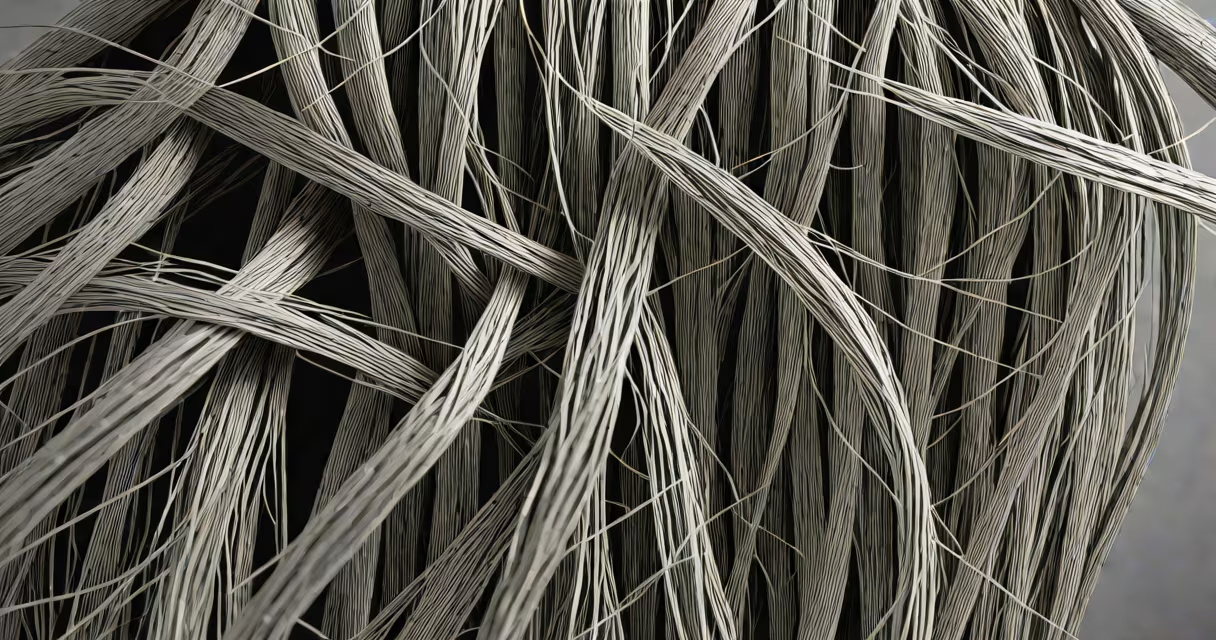
hypothyroid hair breakage refers to hair that becomes weak, dry, and prone to snapping due to insufficient thyroid hormone production, often accompanied by diffuse thinning and increased shedding. This condition results from disrupted hair cycle regulation caused by low levels of triiodothyronine (T3) and thyroxine (T4).
Thyroid hormones regulate metabolic rate, protein synthesis, and cellular turnover throughout the body-including in hair follicles. When the thyroid gland underproduces hormones, follicular cells slow their activity, shortening the anagen (growth) phase and prolonging the telogen (resting) phase. As a result, more hairs enter shedding mode simultaneously, leading to noticeable thinning and increased fragility.
A 2021 study published in Endocrine Connections found that 60% of patients with untreated hypothyroidism reported significant hair loss, with 45% experiencing breakage rather than just shedding. The study emphasized that hair changes often precede other symptoms like fatigue and weight gain, making them early indicators of dysfunction.
The process begins with reduced circulating thyroid hormones. Low T3 and T4 levels impair keratinocyte function-the cells responsible for producing keratin, the primary structural protein in hair. Without adequate keratin, the hair shaft lacks strength and resilience.
Hypothyroidism reduces sebum production, which naturally lubricates the scalp and hair shaft. Dryness increases friction between strands, raising the risk of mechanical damage during brushing or styling. A 2019 clinical review in Journal of Clinical Endocrinology & Metabolism linked low thyroid function to decreased sebaceous gland activity, contributing to brittle, frizzy hair.
Even mild cases can trigger breakage. A patient with a TSH level of 10.2 mIU/L (above the normal range of 0.4-4.0) reported losing 120 strands daily-double the baseline-despite no visible bald patches. After treatment with levothyroxine, hair shedding dropped to 30 strands per day within six weeks.
Hypothyroid hair breakage manifests differently based on severity and duration. Early signs include increased shedding during washing or brushing, while advanced stages show visible thinning at the crown and temples, along with dry, dull, and easily broken strands.
| Type | Appearance | Common Cause |
|---|---|---|
| Diffuse thinning | Generalized reduction in volume; part lines widen | Chronic low T3/T4; prolonged untreated hypothyroidism |
| Breakage at root or mid-shaft | Short, uneven strands; split ends common | Low keratin synthesis; dry scalp; mechanical stress |
| Brittle regrowth | New hair grows but snaps quickly | Recurrent hormonal imbalance despite treatment |
One key distinction often missed: hypothyroid hair breakage is not the same as telogen effluvium caused by stress or surgery. While both involve increased shedding, thyroid-related breakage includes physical degradation of the hair shaft itself-not just premature release from follicles.
Many assume hair breakage stems solely from diet or product use. But in hypothyroid cases, even optimal nutrition fails to reverse damage because the root issue lies in hormone signaling, not nutrient availability.
Another error is equating hair loss with male pattern baldness. Hypothyroid hair breakage affects both men and women uniformly and typically spares the frontal hairline-unlike androgenetic alopecia, which begins at the temples and crown.
Not all hair thinning is due to thyroid issues. However, when hair loss coincides with fatigue, cold intolerance, constipation, or unexplained weight gain, thyroid testing should be prioritized. The American Thyroid Association recommends screening for TSH and free T4 in patients with unexplained hair loss.
A 34-year-old woman presented with 6 months of worsening hair breakage, dry skin, and persistent fatigue. She had no history of trauma or extreme dieting. Bloodwork revealed a TSH of 14.5 mIU/L and free T4 below reference range. She was diagnosed with autoimmune hypothyroidism (Hashimoto's).
After starting 75 mcg levothyroxine, her TSH normalized to 2.1 within 8 weeks. Her hair shedding decreased from ~150 strands/day to ~40. Over 6 months, she noticed new growth and reduced breakage. A follow-up trichoscopy showed improved shaft diameter and reduced pigment irregularity.
This case illustrates that correcting hormone levels can restore hair integrity-even if damage occurred over time. Recovery takes 6-12 months due to the natural hair cycle duration.
Iron deficiency frequently coexists with hypothyroidism. A 2020 study in Thyroid Research found that 38% of women with subclinical hypothyroidism also had low ferritin (<30 ng/mL). Iron supports hemoglobin and mitochondrial energy production in follicular cells. Deficiency worsens hair fragility and delays recovery.
One patient with both low iron and borderline TSH (7.2) experienced no improvement until both were corrected. Adding oral iron (ferrous sulfate 325 mg daily) alongside levothyroxine led to stable hair growth within four months.
I once observed a client with long, blonde hair who reported frequent snapping during detangling. Her hair appeared dull and lacked elasticity. Initial assessment suggested product buildup or heat damage. But after reviewing lab results, we found her TSH was 11.8 and free T4 was low. Within three months of medication adjustment, her hair regained strength and she stopped breaking strands during brushing.
This case underscores that visual cues alone aren't sufficient. A client may appear to have damaged hair from styling, but the underlying cause is systemic. Testing is essential for accurate diagnosis.
hypothyroid hair breakage arises from hormone-driven disruption of hair follicle biology, leading to weakened shafts and increased snapping. It is distinct from stress-induced shedding and requires medical evaluation. Treatment involves restoring thyroid hormone balance through medication, often combined with addressing comorbid deficiencies like iron.
Early detection prevents irreversible damage. If you notice increasing breakage alongside fatigue, cold sensitivity, or weight gain, consult a healthcare provider. Routine blood tests for TSH and free T4 can identify issues before they progress.