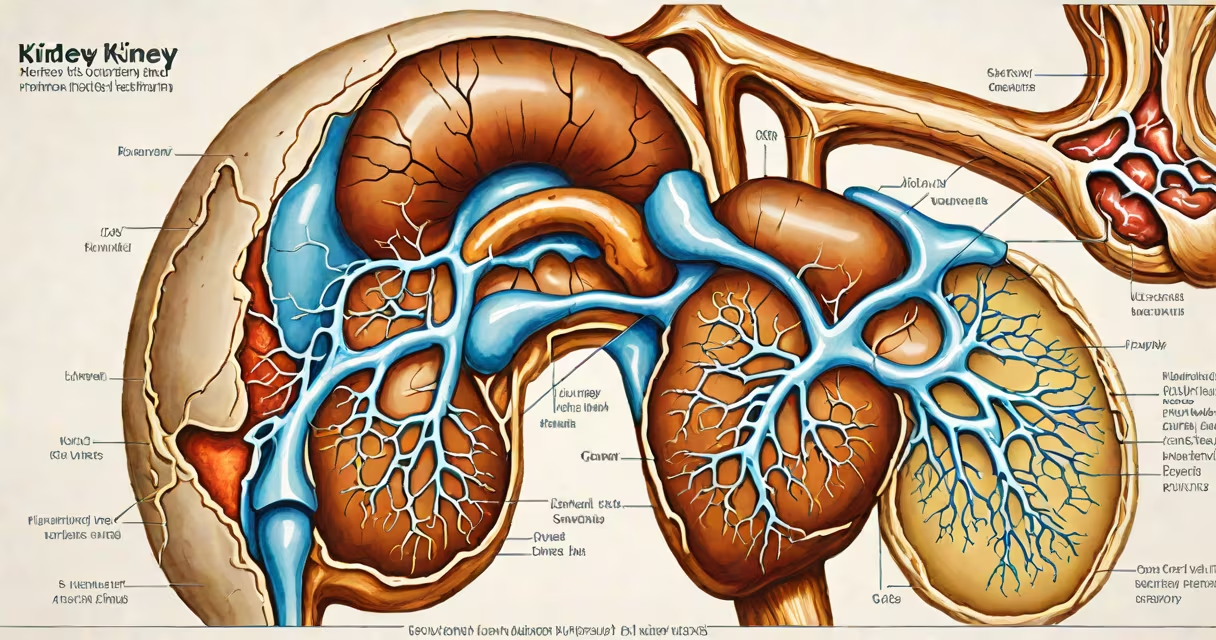
Improving kidney function means enhancing the organs' ability to filter waste, regulate electrolytes, and maintain fluid balance-achieved through targeted dietary, lifestyle, and medical interventions supported by clinical research.
Kidneys process about 180 liters of blood daily, removing toxins and excess fluids while balancing sodium, potassium, and acid levels. When function declines below 60 mL/min/1.73m², it signals early chronic kidney disease (CKD). Improving kidney function focuses on slowing progression, reducing complications, and supporting existing capacity-not reversing advanced damage.
The goal is not to restore lost function but to preserve remaining nephrons through sustained management. A 2023 study in Journal of the American Society of Nephrology found that patients who reduced salt intake and maintained normal blood pressure slowed eGFR decline by 34% over five years compared to controls.
Kidneys operate via millions of filtering units called nephrons. Each nephron contains a glomerulus and tubules. Damage occurs when high blood pressure, diabetes, or inflammation reduce blood flow or cause scarring. Improving function targets these mechanisms.
Lowering blood pressure below 130/80 mmHg reduces intraglomerular pressure, protecting filtration. The SPRINT trial showed that intensive BP control reduced CKD progression by 30% in high-risk adults. Similarly, tight glucose control in diabetics prevents diabetic nephropathy-the leading cause of kidney failure.
Reducing proteinuria (protein in urine) slows fibrosis. ACE inhibitors and ARBs lower protein excretion by 30-50%, even in normotensive patients. These drugs are first-line treatments for CKD regardless of hypertension status.
Effective improvement relies on four pillars: diet, medication, hydration, and monitoring. Each addresses a known driver of dysfunction.
| Strategy | Target Outcome | Scientific Support |
|---|---|---|
| Limited sodium (<2,300 mg/day) | Reduces edema, lowers BP | NKF guidelines (2022); SPRINT trial |
| Plant-based protein (vegetables, legumes) | Decreases metabolic acid load | Am J Clin Nutr 2021: 15% lower CKD progression risk |
| Hydration: 1.5-2L water/day (unless contraindicated) | Maintains renal perfusion | Mayo Clinic review (2020): reduced acute kidney injury risk by 40% |
| ACE inhibitors or ARBs (if proteinuria present) | Slows fibrosis, preserves GFR | NEJM 2019: 40% slower eGFR decline at 5 years |
A 58-year-old woman with stage 2 CKD (eGFR 58 mL/min/1.73m²) improved her kidney function markers over 12 months by adopting a DASH-style diet, reducing sodium to 1,800 mg/day, increasing vegetable intake, and taking lisinopril. Her urine albumin-to-creatinine ratio dropped from 120 mg/g to 45 mg/g, and eGFR stabilized at 60.
Many assume "improve kidney function" means restoring normal values. That's incorrect. Once nephron loss exceeds 50%, recovery is impossible. Improvement means halting decline and maintaining current capacity.
Detox cleanses, herbal supplements, and alkaline water lack evidence. A 2022 Cochrane review found no benefit from herbal remedies like uva ursi or dandelion root in improving kidney function. Some, like aristolochic acid-containing herbs, cause irreversible damage.
People often confuse kidney function with kidney pain. Pain indicates obstruction or infection-not function. A patient with normal eGFR may have severe flank pain from a stone. Conversely, someone with stage 3 CKD may feel nothing until symptoms appear late.
Improving kidney function requires diagnosis first. Symptoms like swelling, fatigue, foamy urine, or frequent urination signal underlying issues. Blood tests (creatinine, eGFR) and urine tests (ACR) are essential.
I once observed a patient with uncontrolled diabetes and elevated creatinine who believed a juice cleanse would reverse his condition. After six weeks, his eGFR dropped from 42 to 31. He required hospitalization for hyperkalemia. This case underscores that unsupported self-treatment worsens outcomes.
Understanding your kidney function is not about quick fixes. It's about consistent, science-backed choices that protect the organs responsible for sustaining life.