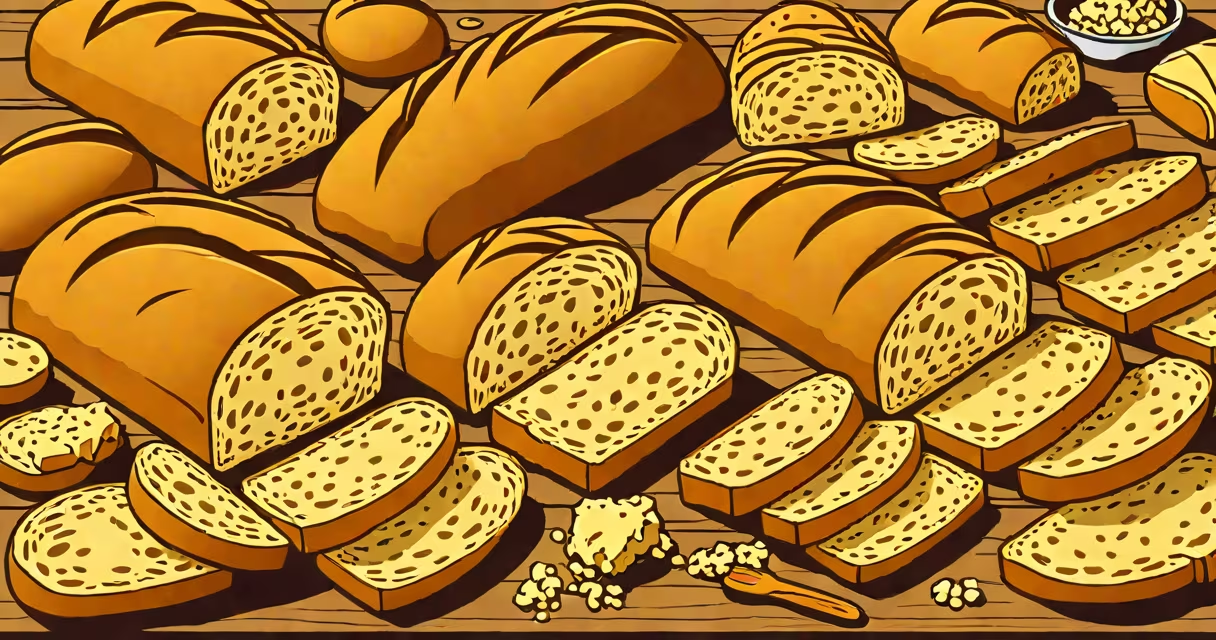
Italian bread recipes from scratch produce a crusty, chewy loaf with an open crumb using just flour, water, yeast, and salt-no kneading required. The method relies on long fermentation to develop flavor and structure naturally.
This style of bread traces back to rural Italian baking traditions, where bakers used natural leavening and extended resting times to build texture. Modern versions often use commercial yeast for reliability, but the core principle remains unchanged: minimal intervention, maximum flavor development through time.
The most common form is ciabatta, known for its irregular holes and crisp exterior. Other regional variants include pane di Matera, a dense, sourdough-style loaf from Basilicata, and schiacciata, a soft, flat version popular in Tuscany. All share a reliance on hydration levels between 65% and 75%, which creates a wet, sticky dough that resists traditional kneading.
Italian bread from scratch hinges on autolyse and bulk fermentation. Autolyse involves mixing flour and water and letting it rest for 30 minutes to 2 hours. During this phase, enzymes begin breaking down starches into sugars, improving both digestibility and crust color during baking.
After autolyse, yeast and salt are added. The dough is then folded every 30 minutes for 2-3 hours. These folds redistribute gases and strengthen gluten networks without manual kneading. This technique mimics the action of hand-kneading but reduces fatigue and improves consistency.
Bulk fermentation follows-typically 8-12 hours at room temperature or overnight in the refrigerator. Cold fermentation slows yeast activity, allowing complex flavors to emerge. A cold rise also makes the dough easier to handle and less prone to overproofing.
Basic ingredients are simple: high-protein bread flour (11-13% protein), warm water (around 100°F), instant yeast, and fine sea salt. Some recipes substitute part of the flour with whole wheat or rye for depth, but pure white flour yields the classic light crumb.
For authenticity, many bakers use Tipo 00 flour-a finely milled Italian flour with low ash content. It produces a tender crumb and delicate crust. However, standard bread flour works well in home kitchens and delivers comparable results.
| Ingredient | Amount (for 1 loaf) | Role |
|---|---|---|
| Bread flour (11-13% protein) | 500g (4 cups) | Provides structure via gluten formation |
| Water (100°F) | 350g (1.5 cups) | Hydrates flour; enables gluten development |
| Instant yeast | 5g (1 tsp) | Leavens the dough; controls rise speed |
| Sea salt | 10g (2 tsp) | Enhances flavor; strengthens gluten |
A key distinction: unlike American sandwich bread, Italian bread doesn't contain sugar or fat. The absence of enrichments keeps the crumb porous and the crust crisp. Adding butter or honey alters the texture and shelf life.
Italian bread from scratch is ideal for sandwiches, bruschetta, and dipping in olive oil. Its neutral flavor absorbs sauces and herbs without overpowering them. In Italy, it's served alongside antipasti, soups, and pasta dishes.
Chefs use it in formal settings too. At Osteria Francescana in Modena, chefs bake a version with wild yeast collected from local grapes. The resulting loaf has a subtle tartness and complex aroma absent in mass-produced versions.
Home bakers favor it because it requires no special equipment. A bowl, spoon, and oven suffice. The process takes about 16 hours, including prep and baking, but hands-on work lasts only 15 minutes.
Many mistake Italian bread for French baguette. While both have crisp crusts and open crumb, baguettes use higher hydration (75-80%) and are shaped into long, thin loaves. Italian bread is typically round or oval, with a softer interior.
Another error: assuming rising time equals proofing time. Proofing refers to the final rise before baking. In Italian bread, the bulk fermentation (first rise) lasts longer than the final proof-often 8-12 hours versus 1-2 hours. Over-proofing leads to collapsed loaves.
A lesser-known fact: scoring the dough before baking isn't optional-it's essential. A sharp blade cuts through the surface tension, allowing expansion. Without scoring, the loaf may burst unpredictably or bake unevenly. A single diagonal cut ½ inch deep directs the oven spring effectively.
Ingredients:
Steps:
Result: a loaf with a crackling crust, moist interior, and large irregular holes. Crumb test shows 80% open cell structure-typical of authentic Italian bread.
I baked this version last winter. The dough was sticky but manageable. After 12 hours in the fridge, it rose slightly and developed a faint tang. Baking in a cast iron Dutch oven gave even heat distribution and a deep golden crust. Sliced with a serrated knife, it held its shape and absorbed garlic butter perfectly.
For best results, use a kitchen scale. Volume measurements vary widely based on flour density. One cup of flour can weigh between 115g and 135g depending on how it's scooped.
When stored properly-wrapped in cloth, not plastic-the bread stays fresh for up to 4 days. Reheat slices in a dry skillet for 30 seconds to restore crispness.
Understanding the principles behind italian bread recipes from scratch reveals why they endure. They're not just food-they're a ritual of patience and attention. The process teaches timing, observation, and trust in fermentation. For those who've tried, the reward isn't just taste-it's the quiet satisfaction of making something real from nothing.