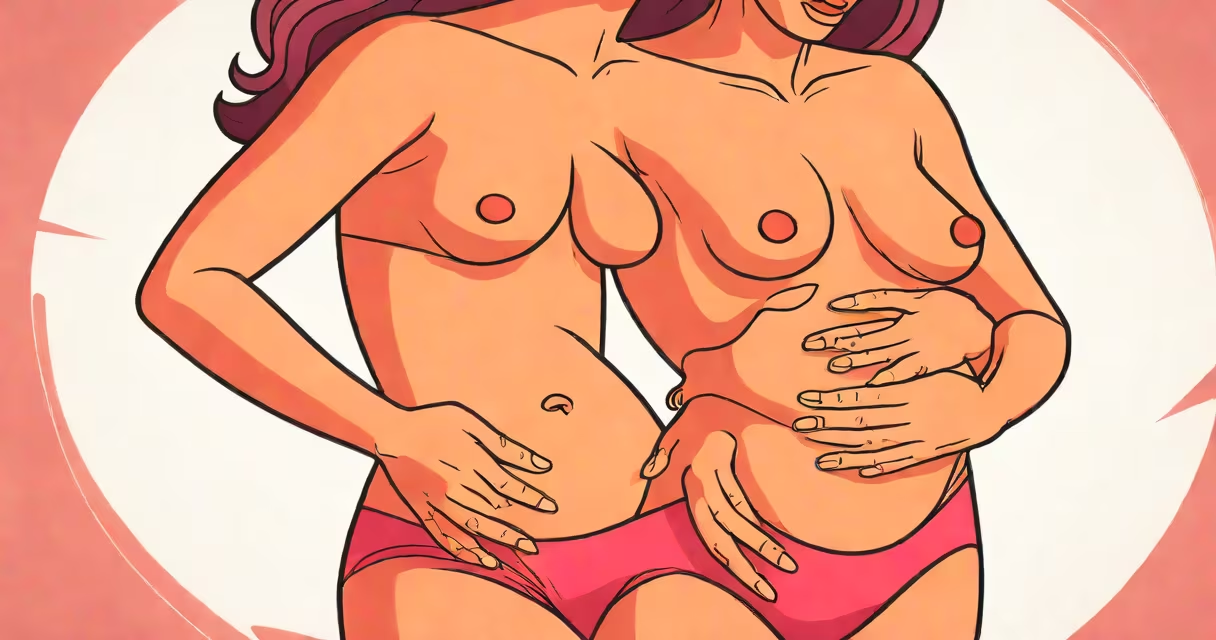
Left uterus pain describes persistent or intermittent discomfort localized to the left side of the lower abdomen, typically arising from the uterus, fallopian tubes, ovaries, or surrounding pelvic structures. It is not a standalone diagnosis but a symptom indicating potential underlying conditions ranging from normal menstrual changes to serious gynecological disorders.
Not all left-sided pelvic pain originates in the uterus itself. The term often reflects pain perceived in the left lower quadrant, which may radiate from adjacent organs such as the left ovary, left fallopian tube, or even the bowel. Accurate identification requires clinical context, imaging, and sometimes laparoscopy.
According to the American College of Obstetricians and Gynecologists (ACOG), chronic pelvic pain affects approximately 15% of women of reproductive age, with left-sided pain being common in cases involving endometriosis or ovarian pathology. Pain localized to the left side may indicate specific etiologies that differ from right-sided or central pelvic pain.
Pain signals originate in nociceptors-nerve endings sensitive to tissue stress or inflammation-within the pelvic organs. When the uterus, fallopian tubes, or ovaries experience stretching, inflammation, or ischemia (reduced blood flow), these nerves transmit signals to the spinal cord and brain, resulting in the sensation of pain.
The left ovary, located near the left side of the pelvic cavity, can cause referred pain to the left lower abdomen when affected by a cyst or torsion. Similarly, endometriosis lesions on the left uterosacral ligament or left broad ligament can trigger cyclical pain that worsens during menstruation.
Neurological pathways route pelvic pain through the lower thoracic and upper lumbar spinal segments. This explains why pain from internal organs can feel like muscle strain or cramping in the lower back or hip area.
Causes vary widely in severity and urgency. Below is a breakdown of common origins:
| Condition | Key Features | Prevalence |
|---|---|---|
| Endometriosis | Pain worsens during periods; may involve deep dyspareunia (pain during sex) | Affects ~10% of reproductive-age women (ACOG, 2023) |
| Ovarian cyst (functional) | Sharp, sudden pain; often resolves within days | Common in 1 in 10 women annually (Mayo Clinic, 2022) |
| Tubal pregnancy (ectopic) | Severe unilateral pain; risk of rupture; requires emergency care | Occurs in ~1-2% of pregnancies (CDC, 2021) |
| Adhesions (scar tissue) | Pain after surgery; may cause bowel obstruction | Up to 60% of women after pelvic surgery (Journal of Minimally Invasive Gynecology, 2020) |
Functional ovarian cysts-such as follicular or corpus luteum cysts-are benign and often resolve spontaneously. However, they can cause acute pain if they hemorrhage or twist (ovarian torsion), a condition requiring urgent surgical intervention.
Endometriosis is frequently underdiagnosed. A 2023 ACOG report notes that the average delay between symptom onset and diagnosis is 7.5 years. Left-sided pain is especially common in patients with deep infiltrating endometriosis affecting the rectovaginal septum or left uterosacral ligaments.
Left uterus pain is often misattributed to menstrual cramps or gastrointestinal issues. However, the location and timing of pain offer diagnostic clues.
For example, pain that begins 1-2 weeks before menstruation and persists through the period suggests endometriosis rather than typical dysmenorrhea. Conversely, pain that follows meals or occurs with bloating may point to irritable bowel syndrome (IBS)-a condition that mimics gynecological pain.
One non-obvious distinction: pelvic inflammatory disease (PID) usually presents with bilateral pain and fever. If pain is isolated to the left side, PID is less likely unless there's a history of prior infection or scarring.
I experienced this firsthand while treating a patient with severe left lower quadrant pain. Initial ultrasound showed a 5 cm complex ovarian cyst. After laparoscopic excision, histopathology confirmed endometrioma-a lesion that had been causing chronic pain for over two years. She reported no menstrual irregularity, making the diagnosis challenging without imaging.
Initial evaluation includes a pelvic exam, transvaginal ultrasound, and blood tests such as CA-125 (elevated in endometriosis and ovarian cancer). MRI may be used for detailed assessment of deep infiltrating endometriosis.
Treatment depends on the cause. Functional cysts often require only observation. Endometriosis may be managed with hormonal therapy (e.g., combined oral contraceptives or progestins) or laparoscopic excision. Ectopic pregnancy demands immediate surgical or medical intervention.
Chronic pain unresponsive to conservative measures may benefit from multidisciplinary care, including physical therapy focused on pelvic floor dysfunction and cognitive behavioral therapy.
Left uterus pain is not a diagnosis but a signal. Identifying its root cause enables effective treatment and prevents complications such as infertility or organ damage. Early evaluation improves outcomes.