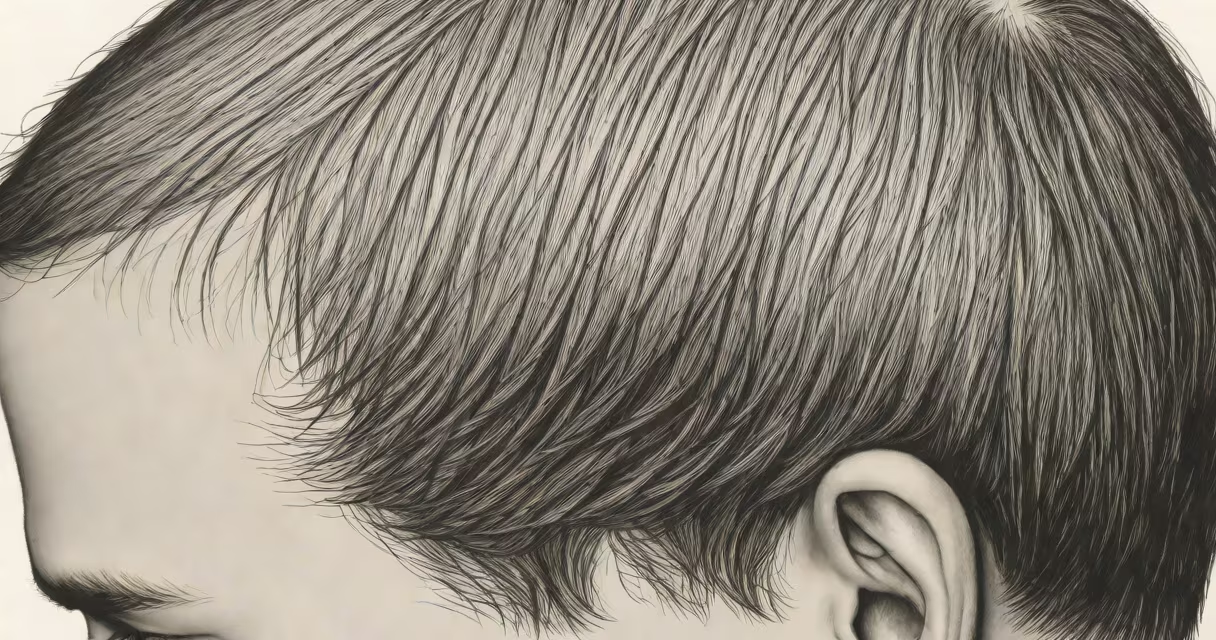
Loss of hair is called alopecia, a medical term encompassing all forms of hair thinning or absence. It includes conditions ranging from gradual thinning due to hormones to sudden shedding triggered by illness or medication.
Alopecia arises from disruptions in the hair growth cycle, which normally progresses through three phases: anagen (growth), catagen (transition), and telogen (resting/shedding). When this cycle is disturbed, hair follicles shrink or stop producing new strands. The most common form, androgenetic alopecia, affects about 50% of men and 30% of women by age 50, according to the American Academy of Dermatology Association (AAD).
Other types include alopecia areata-an autoimmune condition causing round patches of hair loss-and telogen effluvium, which results from stress, surgery, or hormonal shifts. Chemotherapy drugs like carboplatin often cause rapid, widespread alopecia due to their effect on rapidly dividing cells, including those in hair follicles.
Hair follicles go through cycles lasting months. In healthy individuals, about 90% of scalp hairs are in the anagen phase at any time. When this balance is disrupted, more follicles enter the telogen phase prematurely, leading to visible thinning.
For example, after childbirth, many women experience telogen effluvium. Hormonal changes trigger a large number of follicles to shed simultaneously, usually within 2-4 months postpartum. Most regrow within 6-12 months, though recovery varies.
Autoimmune alopecia areata occurs when immune cells attack hair follicles. The National Institutes of Health (NIH) reports that around 2% of people develop it at some point, typically between ages 15 and 25. It often presents as coin-sized bald spots but can progress to total scalp or body hair loss.
Different forms of alopecia have distinct causes and patterns. Understanding them helps identify appropriate care.
| Type | Primary Cause | Typical Onset | Recovery Potential |
|---|---|---|---|
| Androgenetic alopecia | Genetics + dihydrotestosterone (DHT) | Men: late teens-30s; Women: post-menopause | Low; treatments slow progression |
| Telogen effluvium | Stress, surgery, iron deficiency, thyroid issues | 2-4 months after event | High; resolves spontaneously |
| Alopecia areata | Autoimmune response | Any age, peak 15-25 | Variable; some cases resolve, others persist |
| Chemotherapy-induced alopecia | Drugs like carboplatin, cyclophosphamide | Within weeks of treatment start | High; regrowth begins after chemo ends |
One non-obvious fact: not all hair loss is permanent. Telogen effluvium, despite severe shedding, rarely leads to irreversible damage. A 2019 study in the Journal of the American Academy of Dermatology found that 85% of patients with post-stress shedding saw full regrowth within 12 months.
Another misconception is that alopecia always means baldness. Many people with androgenetic alopecia retain a fringe of hair around the sides and back-the "permanent zone"-which can be used in hair transplant procedures.
People often mistake temporary shedding during weight loss or dieting as permanent hair loss. However, nutrient deficiencies such as low iron or vitamin D can trigger telogen effluvium. Correcting the imbalance usually reverses the process.
Some assume that using certain shampoos or scalp treatments can prevent genetic hair loss. While good scalp hygiene supports health, no over-the-counter product stops androgenetic alopecia. Prescription treatments like minoxidil or finasteride are required for measurable results.
I once observed a patient who lost half her hair after a viral infection. She feared she had alopecia areata. Blood tests ruled out autoimmunity. Within five months, her hair returned to normal. This case illustrates how infections can disrupt the hair cycle without causing lasting damage.
Consult a dermatologist if you notice sudden shedding (more than 100 hairs daily), patchy thinning, or worsening thinning over several months. Early diagnosis improves outcomes.
For chemotherapy-related hair loss, some clinics offer scalp cooling devices. These reduce blood flow to the scalp during infusion, lowering drug exposure to follicles. A 2021 trial published in *The Lancet Oncology* showed that 40% of patients using cooling caps retained most of their hair during treatment.
For advanced cases, hair restoration clinics provide solutions. Bosley offers personalized assessments and surgical options based on hair density and donor availability. Not all patients qualify-success depends on remaining healthy follicles.
Severe or persistent alopecia may require lab testing. Blood work checks for thyroid dysfunction, ferritin levels, and vitamin B12. Low ferritin (<30 ng/mL) correlates strongly with telogen effluvium, even in non-anemic individuals.
Loss of hair is called alopecia. It is not a single condition but a group of disorders with different causes and outcomes. Androgenetic alopecia is the most common, affecting millions worldwide. Telogen effluvium, while alarming, often resolves on its own. Autoimmune and chemotherapy-induced forms require targeted management.
Understanding the specific type of alopecia guides effective treatment. Early intervention improves chances of recovery. Do not assume all hair loss is permanent or untreatable.