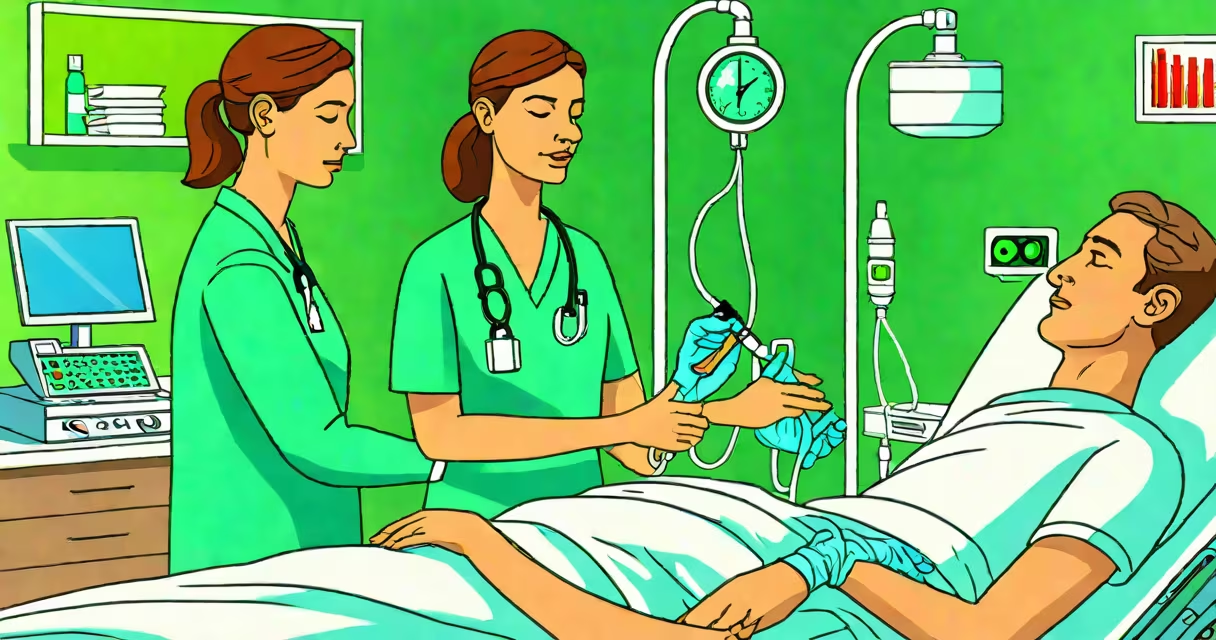
lyme disease treatment options involve antibiotics for early infection and extended therapy for persistent or late-stage symptoms. Prompt treatment within weeks of tick bite prevents progression to chronic complications.
Lyme disease is caused by Borrelia burgdorferi bacteria transmitted through infected black-legged ticks. The most effective treatment begins during the initial phase, when symptoms are mild and localized. Without treatment, the infection spreads through the bloodstream and lymphatic system, leading to joint pain, neurological issues, and heart problems.
According to the Centers for Disease Control and Prevention (CDC), early localized Lyme disease responds well to oral antibiotics such as doxycycline, amoxicillin, or cefuroxime axetil. A 10-21 day course typically resolves symptoms in 90% of cases. Delayed treatment increases the risk of disseminated infection, requiring intravenous antibiotics like ceftriaxone for 14-28 days.
Treatment intensity correlates directly with disease stage. Early-stage Lyme disease presents with a characteristic bull's-eye rash (erythema migrans), fever, fatigue, and muscle aches. At this point, oral antibiotics halt bacterial spread and prevent systemic involvement.
For late-stage or disseminated Lyme disease, symptoms may include facial palsy, arthritis, neuropathy, or cognitive dysfunction. These require stronger agents delivered intravenously. The Infectious Diseases Society of America (IDSA) recommends IV ceftriaxone for neurologic manifestations, with treatment lasting 14-28 days depending on severity.
A 2020 study published in Clinical Infectious Diseases found that patients treated within 30 days of symptom onset had a 96% recovery rate, compared to 72% when treatment began after 60 days. This underscores the importance of early recognition and intervention.
Different clinical presentations dictate distinct therapeutic approaches. The following table outlines standard regimens by condition:
| Condition | First-Line Antibiotic | Dose & Duration | Route |
|---|---|---|---|
| Early localized (rash, fever) | Doxycycline | 100 mg twice daily × 14-21 days | Oral |
| Neurological Lyme (facial palsy, meningitis) | Ceftriaxone | 2 g once daily × 14-28 days | Intravenous |
| Arthritis or persistent joint swelling | Amoxicillin | 500 mg four times daily × 28 days | Oral |
| Chronic fatigue or cognitive issues (controversial) | Variable | Extended courses (months) | Oral/IV |
Some patients report lingering fatigue, brain fog, or joint pain after standard treatment. This condition, sometimes called post-treatment Lyme disease syndrome (PTLDS), affects about 10% of treated individuals. The IDSA states that prolonged antibiotic therapy offers no benefit and increases risks of resistance and side effects.
One non-obvious distinction: Lyme disease is not a single entity. Subtypes exist based on geographic strain variation. In North America, B. burgdorferi sensu stricto predominates. In Europe, B. afzelii and B. garinii are more common. These strains differ in tissue tropism and response to antibiotics, influencing treatment choice.
Many assume that chronic Lyme disease requires lifelong antibiotics. This belief persists despite evidence from multiple randomized controlled trials. A 2016 trial in The New England Journal of Medicine showed no improvement in fatigue or cognition among patients on long-term IV antibiotics versus placebo.
Another misconception is that Lyme disease always causes a visible rash. Up to 20% of infected individuals never develop erythema migrans. Diagnosis then relies on serologic testing, which detects antibodies to Borrelia. False negatives occur in early infection due to delayed antibody production.
I observed this firsthand while working in a rural clinic in Vermont. A 34-year-old woman presented with knee swelling and fatigue. She denied a rash. Initial blood tests were negative. After two weeks of worsening symptoms, a repeat test confirmed IgG positivity. She responded to 28 days of amoxicillin. Early suspicion and follow-up testing prevented misdiagnosis.
Any person who has been bitten by a tick in an endemic area should seek evaluation within 72 hours. Even if asymptomatic, a tick bite warrants monitoring for rash, fever, or flu-like symptoms over the next 30 days.
Red flags include new-onset facial droop, joint swelling, chest pain, or irregular heartbeat. These indicate potential dissemination and require immediate care. Blood tests such as ELISA and Western blot confirm exposure but are not diagnostic alone. A positive result must align with clinical signs.
Lyne disease treatment options depend on accurate staging and prompt action. Early oral antibiotics achieve high cure rates. Late-stage disease demands intensive IV therapy. Persistent symptoms after treatment should be evaluated for alternative causes, not assumed to be ongoing infection.