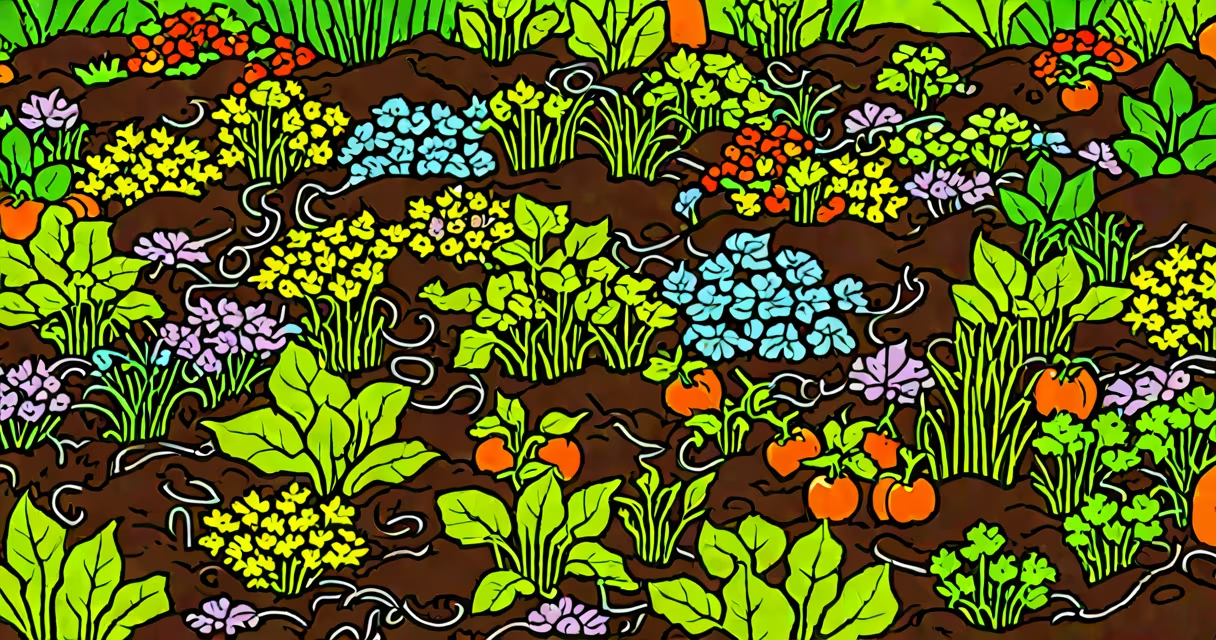
Mulch for garden is a layer of material applied to the soil surface around plants to retain moisture, suppress weeds, regulate temperature, and improve soil structure over time. It's used in vegetable plots, flower beds, and ornamental landscapes to support plant growth and reduce maintenance.
When properly applied, mulch for garden acts as a protective blanket. It reduces evaporation by up to 50%, according to the University of California Agriculture and Natural Resources, which helps conserve water during dry spells. It also prevents soil crusting and erosion caused by rain or irrigation. The material breaks down slowly, adding organic matter that feeds beneficial microbes and improves soil texture.
Common materials include shredded bark, straw, leaves, wood chips, and compost. Each has distinct properties. For example, wood chips last longer but may temporarily tie up nitrogen in the soil as they decompose. Straw is lightweight and ideal for vegetable gardens but can harbor pests if not sourced clean. Compost blends well with soil and boosts fertility quickly.
Applied in a 2-4 inch layer over bare soil, mulch for garden blocks sunlight from reaching weed seeds, preventing germination. This reduces competition for water and nutrients. The layer also buffers soil temperature fluctuations-cooling in summer and insulating in winter-protecting roots from extreme shifts.
As organic mulches break down, they release nutrients and increase microbial activity. A study by Cornell University found that beds mulched with compost had 30% higher earthworm populations compared to unmulched controls, indicating improved soil biology. Non-organic mulches like plastic or rubber don't decompose but still suppress weeds and retain moisture effectively.
Proper placement avoids direct contact with plant stems. A gap around the base of trees or shrubs prevents rot and pest infestation. Mulch should be reapplied annually or as needed, depending on breakdown rate and weather exposure.
Choosing the right mulch for garden depends on plant type, climate, and maintenance goals. Below is a comparison of common options:
| Type | Best For | Breakdown Time | Key Benefit | Risk or Limitation |
|---|---|---|---|---|
| Shredded hardwood bark | Ornamental beds, tree rings | 2-4 years | Long-lasting, aesthetically pleasing | May lower soil pH slightly; can float in heavy rain |
| Straw | Vegetable gardens, root crops | 6-12 months | Lightweight, allows air flow | Potential for weed seed contamination; attracts rodents if not managed |
| Leaf mold | Flower beds, perennial borders | 1 year | High nutrient content, improves soil structure | Can mat down and reduce water infiltration if too thick |
| Composted manure | Vegetable plots, annuals | 3-6 months | Boosts nitrogen and organic matter | Must be well-aged; raw manure can burn roots |
| Black plastic sheeting | High-density planting, temporary beds | 1-2 years | Excellent weed suppression, retains heat | Does not decompose; can trap excess moisture; not eco-friendly |
For edible gardens, avoid mulches treated with pesticides or dyed materials. Dyed mulch, often marketed as "black" or "brown," may contain trace metals or synthetic dyes. The Environmental Protection Agency warns against using such products near food crops due to potential leaching into soil.
One widespread error is applying mulch too thickly. A layer exceeding 4 inches can suffocate roots and create anaerobic conditions. The USDA recommends keeping it between 2 and 3 inches for most applications. Over-mulching also invites slugs and rodents seeking shelter.
Another misconception is that all mulch for garden increases fertility equally. Organic mulches do contribute nutrients, but the effect is gradual. Wood chips, for example, initially deplete nitrogen as microbes consume it during decomposition. To counteract this, apply a light nitrogen fertilizer (like fish emulsion) when laying wood chip mulch in spring.
I once used dyed red mulch in a raised bed for tomatoes. Within weeks, the soil pH dropped below 5.5, causing iron deficiency symptoms-yellowing leaves with green veins. Testing confirmed aluminum leaching from the dye. Switching to untreated pine straw corrected the issue. This taught me that even natural-looking mulch can have hidden risks.
Start by clearing weeds and debris from the area. Water the soil thoroughly before applying mulch to ensure the ground is moist. Spread the chosen material evenly to a depth of 2-3 inches, leaving a small gap around plant stems and tree trunks.
For new beds, lay a 2-inch layer of compost first, then top with 1-2 inches of bark or straw. This builds soil health while suppressing weeds. Replenish every 6-12 months based on breakdown and erosion. In high-wind areas, secure loose mulch with field pins or gravel edging.
A practical example: In a 10 ft × 12 ft vegetable garden, you'd need about 1 cubic yard of mulch for a 3-inch layer. That's roughly 27 cubic feet. If buying in 2-cubic-foot bags, you'd need 14 bags. Calculate volume by multiplying length × width × depth (in feet), then dividing by 27.
When mulching around fruit trees, maintain a 6-inch radius free of mulch to prevent fungal diseases like root rot. Keep the mulch away from the trunk to allow airflow and discourage pests.
Mulch for garden is not a single product but a category of soil covers tailored to function, environment, and plant needs. Choosing the right type and applying it correctly reduces watering frequency, suppresses weeds, and supports long-term soil health. Always match the mulch to your garden's purpose-whether it's feeding carrots, protecting roses, or maintaining a low-maintenance border.