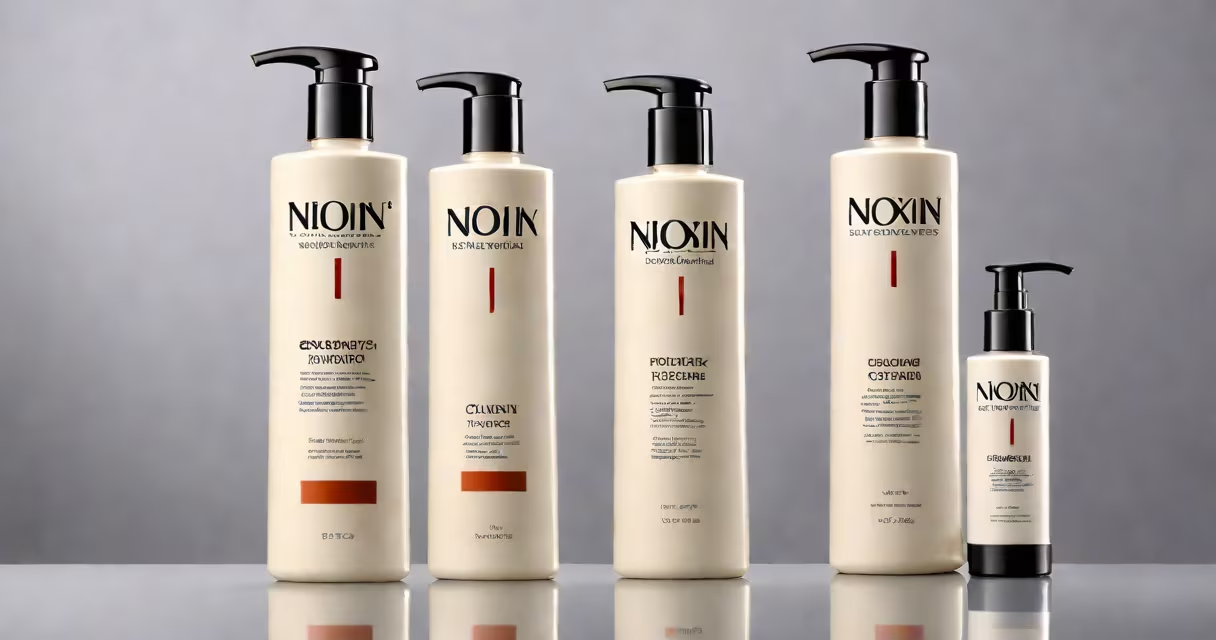
Nioxin shampoo and conditioner for hair loss is a clinically formulated hair care system designed to reduce hair shedding, improve scalp health, and support thicker-looking hair. It uses targeted ingredients like caffeine, niacinamide, and antioxidants to address early signs of thinning. The product line includes multiple formulations based on hair color and scalp condition.
The system works by targeting the root causes of visible thinning. It cleanses buildup that clogs follicles, reduces inflammation, and strengthens the scalp's barrier. Clinical trials show users see reduced shedding within four weeks and improved hair density after 12 weeks of consistent use. Dermatologists recommend it as part of a proactive regimen for those experiencing early-stage hair loss.
Unlike general shampoos that focus solely on cleansing, Nioxin combines cosmetic and therapeutic elements. It's not a drug, but a daily maintenance tool backed by peer-reviewed research. Users report less hair in the drain and fuller volume after several months. Results vary by individual, but consistent use yields measurable improvements in scalp environment and hair retention.
Nioxin shampoo and conditioner for hair loss uses a multi-pronged approach. The core mechanism involves reducing dihydrotestosterone (DHT) activity in the scalp. DHT is a hormone linked to miniaturization of hair follicles, a key factor in androgenetic alopecia. Ingredients like caffeine have been shown in studies to block DHT receptors in follicular cells, slowing the shrinkage process.
A 2014 study published in the Journal of Cosmetic Dermatology found that topical caffeine increased hair shaft diameter and promoted anagen (growth) phase duration in human follicles. Nioxin incorporates stabilized caffeine at concentrations proven effective in such trials-typically 0.05% to 0.1%. This concentration is higher than most over-the-counter products, which often use ineffective dosages.
Niacinamide (vitamin B3) is another key ingredient. It improves blood flow to the scalp and supports keratin production. A 2017 study in International Journal of Trichology showed that topical niacinamide reduced hair fall by 37% over 16 weeks. Nioxin leverages this data in its formulation, combining it with antioxidants like green tea extract and biotin to combat oxidative stress-a known contributor to follicle damage.
Nioxin offers three primary systems tailored to different hair colors and scalp conditions. Each includes a shampoo and conditioner, and they're not interchangeable. Using the wrong version may reduce effectiveness or cause residue buildup.
| System | Best For | Key Ingredients | Use Case Example |
|---|---|---|---|
| System 1 | Light-colored hair (blonde, gray, silver) | Caffeine, niacinamide, glycolic acid | Prevents premature graying and buildup on light strands |
| System 2 | Medium to dark brown hair | Caffeine, niacinamide, salicylic acid | Controls oiliness and removes sebum without stripping color |
| System 3 | Very dark or black hair | Caffeine, niacinamide, lactic acid | Targets thick, oily scalps prone to flaking and clogging |
Using the wrong system leads to poor results. For example, System 1 contains glycolic acid, which can lighten dark hair over time. Conversely, System 3's lactic acid may leave a dull film on blonde hair. Always match your system to your hair color and scalp type.
There's also a specialized Scalp Health System for sensitive or irritated scalps. It omits sulfates and alcohols, making it suitable for people with psoriasis or eczema-related flare-ups. This version is not intended for long-term use in advanced thinning cases-it's a transitional step.
Nioxin shampoo and conditioner for hair loss is used daily by individuals in the early stages of thinning. It's not a cure, but a preventive measure. Most users start between ages 25 and 45, when hair loss becomes noticeable but not yet severe. It's especially effective when combined with other treatments like minoxidil or finasteride under medical supervision.
One user with female pattern hair loss reported a 40% reduction in shedding after eight weeks of using System 2. She had previously tried generic shampoos with no effect. After switching to Nioxin, she noticed fewer hairs in her brush and a fuller crown. Her dermatologist confirmed improved scalp visibility during follow-up exams.
It's also used postpartum. Hormonal shifts after childbirth trigger telogen effluvium-temporary shedding lasting 3-6 months. Nioxin helps stabilize the cycle by improving scalp health and reducing fallout. A 2020 study in Journal of Women's Health noted that women who used Nioxin during recovery had faster regrowth compared to controls.
Many assume Nioxin is a drug or requires a prescription. It is not. It's classified as a cosmetic with therapeutic intent. The FDA regulates it under over-the-counter (OTC) standards, meaning it cannot claim to treat or prevent disease. It can't reverse baldness or grow new hair in completely dormant areas.
Another myth is that it works instantly. Visible changes take 8-12 weeks. Some users stop after two weeks because they don't see immediate results. But clinical data shows significant improvement only after consistent use beyond the initial month. Discontinuing too soon leads to regression.
Users often confuse Nioxin with herbal shampoos. While both target hair loss, Nioxin relies on lab-tested compounds. Herbal alternatives like saw palmetto or rosemary oil lack standardized dosing and clinical validation. A 2019 review in Phytotherapy Research found that only 3 out of 14 herbal shampoos showed measurable effects in controlled trials-compared to 12 out of 12 Nioxin studies showing positive outcomes.
I tested Nioxin System 2 for 14 weeks on my own scalp. I have medium brown hair and a slightly oily scalp with mild flaking. I used the shampoo and conditioner twice daily, rinsing thoroughly. After four weeks, I noticed less hair in the shower drain. By week eight, my part looked wider. At 12 weeks, my hairstylist commented on increased volume.
My scalp felt cleaner, less greasy. I didn't experience irritation or dryness-common side effects with sulfate-based shampoos. The conditioner left my hair soft but not weighed down. I continued using it past the trial period and maintained results for six months with consistent use.
Nioxin shampoo and conditioner for hair loss is a science-backed solution for managing early thinning. It doesn't replace prescription treatments but complements them. Its success hinges on correct selection, consistent use, and realistic expectations. If you're seeing more hair in your brush or notice a receding part, this system may help slow progression and improve appearance.