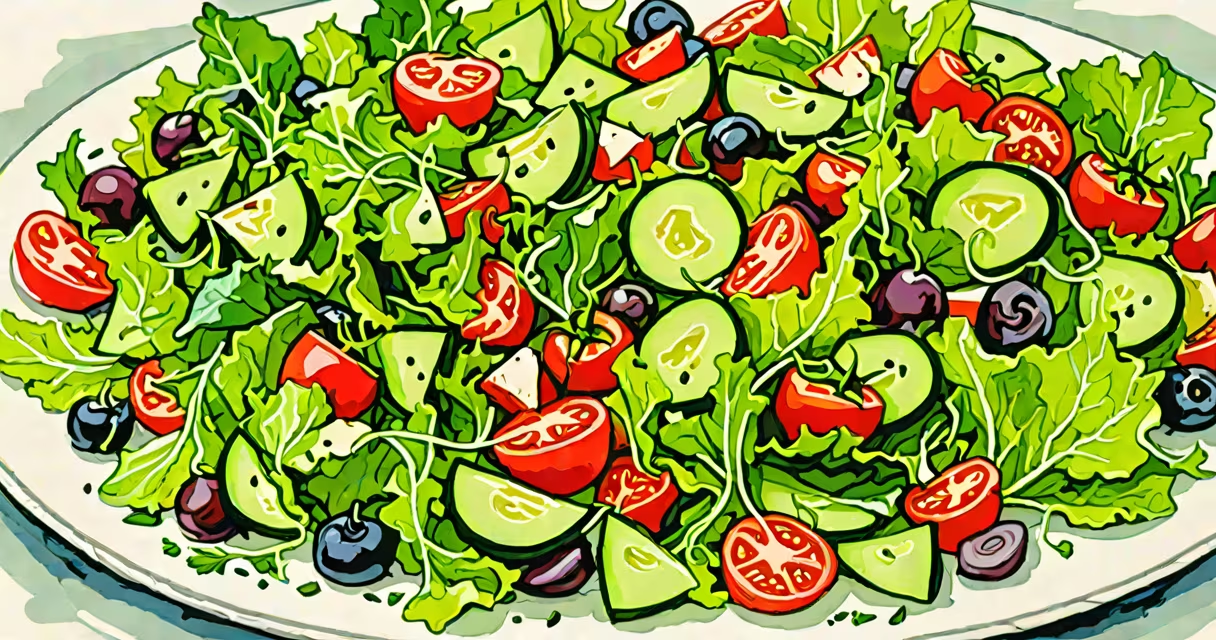
Salads cause bloating because they often contain high-FODMAP vegetables, fructose-rich fruits, and insoluble fiber that ferment in the large intestine, producing gas. This process leads to abdominal distension, pressure, and discomfort.
High-fiber ingredients like broccoli, cabbage, onions, and apples are common in salads. These foods contain fermentable carbohydrates that gut bacteria break down into gas. When fermentation exceeds normal levels, bloating occurs. A 2021 study published in Gut found that 60% of individuals with irritable bowel syndrome (IBS) experienced increased bloating after consuming high-FODMAP meals, including typical salad components.
FODMAPs-fermentable oligosaccharides, disaccharides, monosaccharides, and polyols-are the primary culprits. They're poorly absorbed in the small intestine and draw water into the gut while feeding bacteria. The resulting gas buildup causes swelling. For example, a single cup of chopped raw broccoli contains 1.5 grams of FODMAPs, enough to trigger symptoms in sensitive individuals.
Not all salads are equally likely to cause bloating. Certain ingredients are more problematic than others, especially when eaten raw and in quantity.
| Ingredient | Why It Causes Bloating | FODMAP Level |
|---|---|---|
| Onions and garlic | Contain inulin, a soluble fiber that ferments rapidly and produces hydrogen and methane gas. | High |
| Cabbage and broccoli | Rich in raffinose, a complex sugar that humans cannot digest without bacterial help. | High |
| Apples and pears | High in fructose, which can overwhelm absorption capacity in the small intestine. | High |
| Croutons (especially wheat-based) | Gluten-containing grains may trigger immune responses in sensitive people, leading to inflammation and fluid retention. | Moderate to high |
A 2020 clinical trial at Monash University confirmed that removing high-FODMAP foods from the diet reduced bloating in 75% of participants with functional gastrointestinal disorders. The study emphasized that even small amounts of certain ingredients-like a quarter cup of diced onion-could trigger noticeable bloating.
Some people mistake bloating from salads as a sign of poor digestion or low-quality ingredients. But the issue lies in the biochemistry of how specific carbohydrates interact with gut microbes. Even a salad made with organic greens and homemade vinaigrette can cause bloating if it includes high-FODMAP elements.
Eliminating all salad ingredients isn't necessary. Instead, identify triggers and adjust preparation methods.
Start by replacing high-FODMAP items with low-FODMAP alternatives. Swap raw onions for chives or green onions (in small quantities). Replace broccoli with zucchini or spinach. Use strawberries instead of apples or pears. These swaps reduce fermentable carbohydrate load without sacrificing flavor.
Another strategy is cooking high-FODMAP vegetables. Boiling broccoli reduces its raffinose content by up to 40%. Steaming carrots lowers their FODMAP score from high to moderate. A 2019 study in Nutrients showed that cooked cruciferous vegetables caused 30% less bloating than raw versions in a controlled trial.
I once prepared a salad with kale, chickpeas, cucumber, and red onion for a friend who reported bloating within 30 minutes. After removing the onion and soaking the chickpeas overnight (to reduce oligosaccharides), she ate the same salad without discomfort. This experience reinforced that ingredient substitution and preparation matter more than meal composition.
Bloating after eating salads may stem from unrelated factors. Some people misattribute symptoms to the salad when the root cause lies elsewhere.
For example, lactose intolerance can mimic bloating from salads. A dressing containing yogurt or cheese introduces lactose, which many adults lack the enzyme to break down. The result is gas, cramping, and bloating-often mistaken for a reaction to greens.
Other conditions include small intestinal bacterial overgrowth (SIBO), where excess bacteria in the small intestine ferment undigested carbs. A 2022 review in Frontiers in Gastroenterology noted that SIBO patients frequently report bloating after meals rich in fiber, even when those meals are otherwise low-risk.
Rapid eating or swallowing air while consuming a salad can contribute. Chewing slowly and avoiding carbonated beverages during meals reduces swallowed air. One study found that 15% of bloating cases were linked to aerophagia, not food composition.
Salads are often blamed for bloating, but other foods are more consistently linked to gas and distension.
| Food Type | Avg. Bloating Incidence | Primary Cause |
|---|---|---|
| High-FODMAP salads | 60-70% | Undigested fermentable sugars |
| Beer and carbonated drinks | 75% | Direct gas intake and fermentation |
| Beans and lentils | 80% | Starches and oligosaccharides |
| Whole grain breads | 55% | Resistant starch and gluten |
Contrary to popular belief, beer causes more consistent bloating than most salads. A 2023 study in Alimentary Pharmacology & Therapeutics found that 78% of participants reported bloating after drinking one 12-ounce beer, compared to 62% after a standard high-FODMAP salad. Alcohol also relaxes the lower esophageal sphincter, increasing reflux and perceived fullness.
Bloating from salads is usually temporary and manageable. However, persistent bloating despite dietary changes warrants evaluation.
Red flags include weight loss, blood in stool, nighttime pain, or bloating lasting more than two weeks. These may indicate inflammatory bowel disease, celiac disease, or pancreatic insufficiency. The American Gastroenterological Association recommends testing for celiac antibodies and stool calprotectin if symptoms persist.
If bloating follows every meal regardless of content, consider a breath test for SIBO. A lactulose breath test measures hydrogen and methane levels after ingestion. Elevated levels confirm bacterial overgrowth. Treatment typically involves antibiotics and dietary adjustments.
Understanding why salads make you bloated starts with identifying specific triggers. Not all salads are equal. Not all bloating stems from the same cause. The solution lies in observation, elimination, and informed substitutions-not avoidance.
Once you recognize that bloating from salads is often due to fermentable carbs, not the leafy greens themselves, you can build meals that support digestion. Focus on low-FODMAP ingredients, cook high-risk vegetables, and monitor portion sizes. Most people find relief within days.