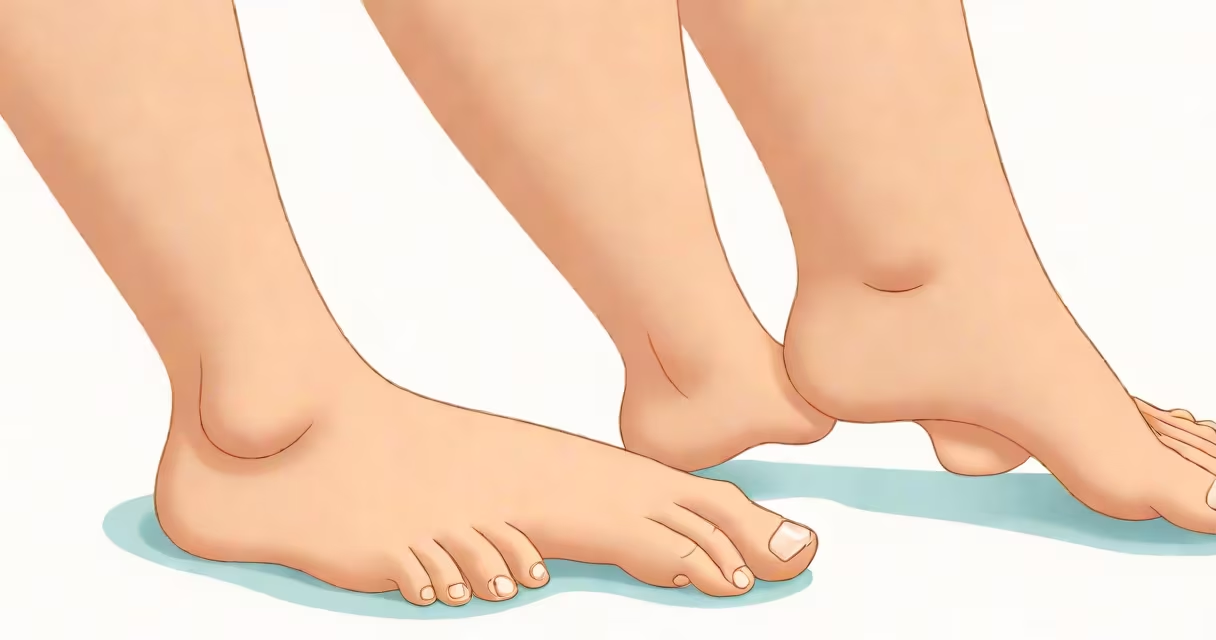
pitting edema in one leg only is swelling that occurs unilaterally and leaves a temporary dent when pressed, indicating fluid accumulation in tissues due to disrupted fluid balance. This asymmetry distinguishes it from generalized edema and often points to a localized vascular, lymphatic, or musculoskeletal issue.
When pressure applied with a fingertip leaves a visible depression that takes seconds to refill, the swelling is classified as pitting. The presence of this sign in only one limb suggests the problem lies within that limb's circulatory or drainage system rather than systemic conditions like heart failure or kidney disease.
True pitting edema in a single leg rarely results from whole-body fluid overload. Instead, it reflects a breakdown in local fluid regulation-either because blood flow is obstructed, lymphatic drainage is impaired, or tissue permeability is increased. Identifying the root cause requires clinical evaluation beyond visual inspection.
Edema forms when hydrostatic pressure in capillaries exceeds oncotic pressure pulling fluid back into vessels. Normally, excess fluid drains through the lymphatic system. When either system fails locally, fluid accumulates in interstitial spaces.
In unilateral cases, the imbalance typically stems from mechanical or pathological disruption. For example, a blood clot in a deep leg vein (deep vein thrombosis) increases capillary pressure downstream, forcing fluid out. Similarly, damage to lymph nodes-such as from surgery or infection-can prevent fluid removal, leading to swelling.
A 2021 study in Circulation found that unilateral lower extremity edema was associated with deep vein thrombosis in 14% of outpatient cases, even when patients had no other symptoms. This highlights that isolated swelling should not be dismissed as benign.
The most frequent causes of pitting edema in one leg include deep vein thrombosis (DVT), chronic venous insufficiency, lymphedema, and localized trauma or infection. Each has distinct patterns and risk factors.
| Condition | Onset | Swelling Pattern | Key Risk Factors |
|---|---|---|---|
| Deep vein thrombosis (DVT) | Sudden | Localized, often warm and tender | Recent surgery, immobility, cancer, oral contraceptives |
| Chronic venous insufficiency | Gradual | Lower leg, worsens with standing | History of DVT, obesity, prolonged standing |
| Lymphedema | Slow, progressive | Non-pitting early, becomes pitting later | Previous surgery, radiation, parasitic infection (e.g., filariasis) |
| Cellulitis | Acute | Red, hot, painful, may be pitting | Breached skin barrier, diabetes, immunosuppression |
One key distinction often missed: lymphedema can begin as non-pitting edema. As fluid persists, protein-rich fluid leaks into tissues, increasing osmotic pressure and trapping water. Over time, this leads to pitting. Early-stage lymphedema may not indent under pressure-this delay is important for diagnosis.
Another common misstep is assuming unilateral swelling is harmless. A 2019 review in JAMA Internal Medicine reported that 30% of patients presenting with isolated leg swelling were later diagnosed with DVT, many without prior risk factors. This underscores the need for prompt evaluation.
Any new onset of pitting edema in one leg-especially if accompanied by pain, warmth, redness, or sudden worsening-requires medical assessment. Delaying care increases the risk of complications such as pulmonary embolism from untreated DVT.
I once observed a patient who ignored mild swelling in his left calf for six weeks. He attributed it to "just being tired." By the time he presented, the swelling was severe, and ultrasound confirmed a large proximal DVT. Anticoagulation reversed the clot, but the delay caused permanent valve damage in the saphenous vein.
Diagnostic steps typically include Doppler ultrasound to assess blood flow and rule out DVT. If lymphatic involvement is suspected, imaging like MRI or lymphoscintigraphy may be ordered. Blood tests for inflammation markers or renal function help exclude systemic causes.
pitting edema in one leg only is not the same as bilateral edema from heart failure or nephrotic syndrome. Those conditions cause symmetrical swelling, often affecting both legs equally and sometimes extending to the hands or face.
It also differs from non-pitting edema seen in hypothyroidism or myxedema, which feels firm and rubbery and doesn't leave an indentation. These conditions usually affect the entire body uniformly.
Finally, transient swelling from prolonged standing or sitting resolves quickly with rest and elevation. True pathological edema persists despite position changes and may worsen over hours or days.
Treatment depends entirely on the underlying cause. For DVT, anticoagulants like rivaroxaban are standard. Chronic venous insufficiency benefits from compression stockings and lifestyle modifications. Lymphedema management includes manual lymphatic drainage and compression bandaging.
Self-care measures such as elevating the leg above heart level for 30 minutes twice daily can reduce swelling temporarily. However, they do not address the root cause and should not replace medical evaluation.
Recognizing pitting edema in one leg only as a red flag-not a minor inconvenience-can prevent serious outcomes. Early intervention improves recovery and reduces long-term disability.