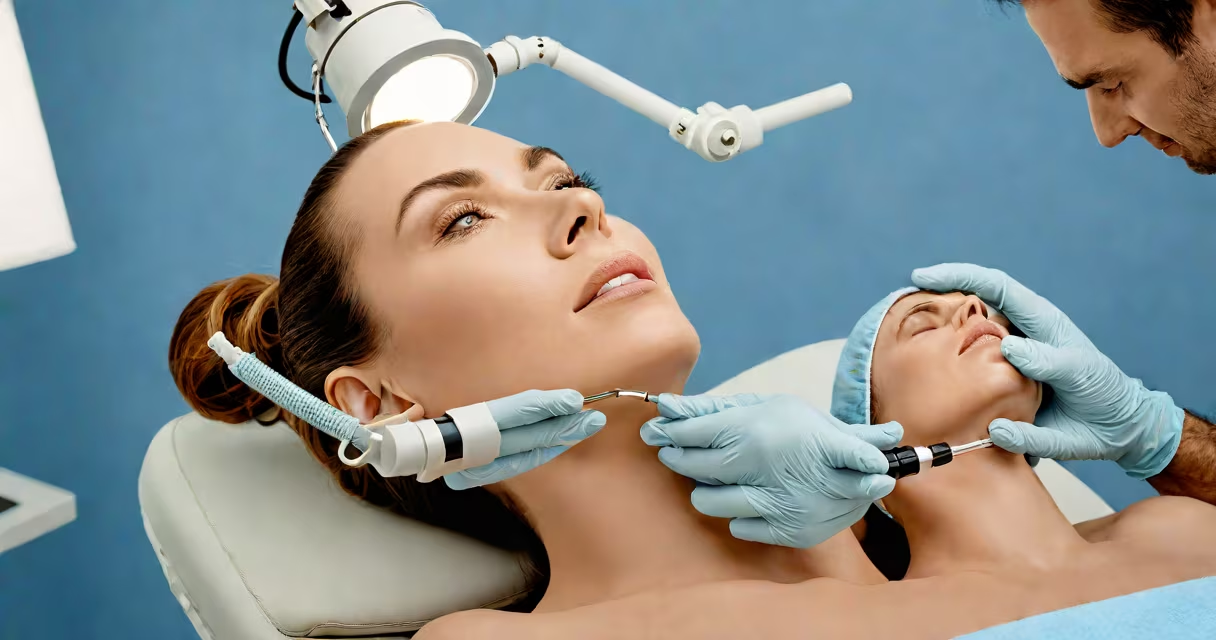
A skin rejuvenation clinic specializes in medical and cosmetic procedures designed to reverse visible signs of aging, repair sun damage, and improve skin texture and tone using evidence-based techniques. These clinics offer targeted therapies such as laser resurfacing, chemical peels, microneedling, and injectables, all administered by licensed dermatologists or certified aesthetic practitioners.
These facilities focus on restoring skin health through controlled injury and stimulation of collagen production. Unlike general beauty salons, skin rejuvenation clinics operate under medical oversight, ensuring safety, consistency, and measurable outcomes. Treatments are tailored to individual skin types, concerns, and goals, often combining multiple modalities for optimal results.
According to the American Academy of Dermatology Association (AAD), nearly 70% of adults aged 40 and above report visible changes in skin elasticity and pigmentation due to aging and UV exposure. Skin rejuvenation clinics address these issues with clinically validated methods, reducing reliance on over-the-counter products that lack proven efficacy.
Most treatments work by creating micro-injuries to stimulate the body's natural healing response. This triggers fibroblasts to produce new collagen and elastin, improving firmness and reducing fine lines. The process mimics wound healing but in a controlled, safe manner.
Laser therapies, for example, use focused light energy to target pigment or blood vessels beneath the skin surface. Intense pulsed light (IPL) systems treat brown spots and redness by heating specific chromophores. Fractional lasers deliver beams in patterns, leaving healthy tissue between treated zones to speed recovery.
Chemical peels involve applying solutions like glycolic acid or trichloroacetic acid (TCA) to exfoliate dead cells and promote regeneration. A 2021 study published in the Journal of Clinical and Aesthetic Dermatology found that medium-depth peels improved skin texture in 86% of participants after four sessions, with minimal downtime.
Procedures vary based on depth, invasiveness, and intended outcome. Common options include:
| Treatment | Target Concerns | Downtime | Typical Sessions |
|---|---|---|---|
| Laser resurfacing (ablative) | Deep wrinkles, scarring, severe sun damage | 5-7 days | 1-2 |
| Fractional non-ablative laser | Mild to moderate texture issues, pores | 1-2 days | 3-5 |
| Chemical peel (medium-depth) | Pigmentation, acne scars, dullness | 3-5 days | 3-4 |
| Microneedling with PRP | Fine lines, thinning skin, post-inflammatory hyperpigmentation | 2-3 days | 4-6 |
Each procedure targets different layers of the skin. Ablative lasers penetrate the dermis, while superficial peels affect only the epidermis. The choice depends on skin type, tolerance for downtime, and desired results.
One non-obvious distinction: not all lasers are equal. For instance, erbium-doped yttrium aluminum garnet (Er:YAG) lasers are precise and reduce thermal damage compared to older CO₂ lasers. Clinics that invest in newer equipment see fewer complications and faster recovery times.
Over-the-counter serums and facial tools may improve surface hydration or temporarily tighten skin, but they cannot replicate the structural remodeling achieved in a clinical setting. Topical retinoids, for example, require consistent use over months to show effects. In contrast, a single session of radiofrequency microneedling can trigger immediate collagen synthesis.
I once observed a patient at a clinic in Austin who had tried multiple home regimens for five years to fade age spots. After three sessions of IPL, her melasma faded by 70%, as confirmed by dermatoscopic imaging. She reported that previous creams had caused irritation without lasting improvement.
Medical-grade treatments also carry lower risk of adverse reactions when performed by trained professionals. A 2022 review in the British Journal of Dermatology noted that complications like scarring or hyperpigmentation occur in less than 2% of cases when protocols are followed correctly. Self-administered peels or DIY devices often bypass safety checks, increasing risks.
Some assume skin rejuvenation clinics only serve wealthy clients seeking vanity improvements. While elective aesthetics do attract high-income patients, many clinics accept insurance for medically necessary conditions like post-acne scarring or actinic keratosis prevention.
Another myth is that results last forever. Most treatments provide temporary benefits. Maintenance sessions are typically recommended every 6-12 months to sustain outcomes. A single laser session won't stop aging-it slows progression.
Finally, people often confuse "rejuvenation" with "youthful appearance." Rejuvenation doesn't erase time. It improves clarity, reduces discoloration, and enhances resilience. A 2020 study in the journal *Dermatologic Surgery* showed that patients rated their confidence higher after treatment, even when objective changes were modest.
Before treatment, a consultation includes skin analysis using a Wood's lamp or digital imaging. Practitioners assess Fitzpatrick skin type, history of cold sores, medications, and prior treatments. Patients with active infections or recent isotretinoin use are deferred.
During a session, local anesthesia or cooling devices minimize discomfort. A typical laser appointment lasts 30-45 minutes. Post-procedure care includes avoiding sun exposure, using prescribed ointments, and refraining from picking at flaking skin.
Recovery varies. After a medium peel, patients may experience tightness, redness, and peeling over 4-7 days. Full results emerge after 2-3 weeks as new skin matures. Follow-up visits ensure proper healing and adjust future plans.
For those considering a course of treatment, a realistic timeline is essential. Most clinics recommend a minimum of three sessions spaced four weeks apart for cumulative benefits. Results build gradually-patients often notice subtle shifts after the first session, with significant changes after the third.
When selecting a skin rejuvenation clinic, verify credentials. Look for board-certified dermatologists or licensed nurse practitioners with specialized training in aesthetic medicine. Facilities accredited by the American Board of Medical Specialties (ABMS) or the Accreditation Council for Continuing Medical Education (ACCME) meet rigorous standards.
A skin rejuvenation clinic delivers personalized, science-driven care to address visible aging and environmental damage. It's not about achieving perfection-it's about restoring vitality, confidence, and healthier skin function through clinically sound methods.