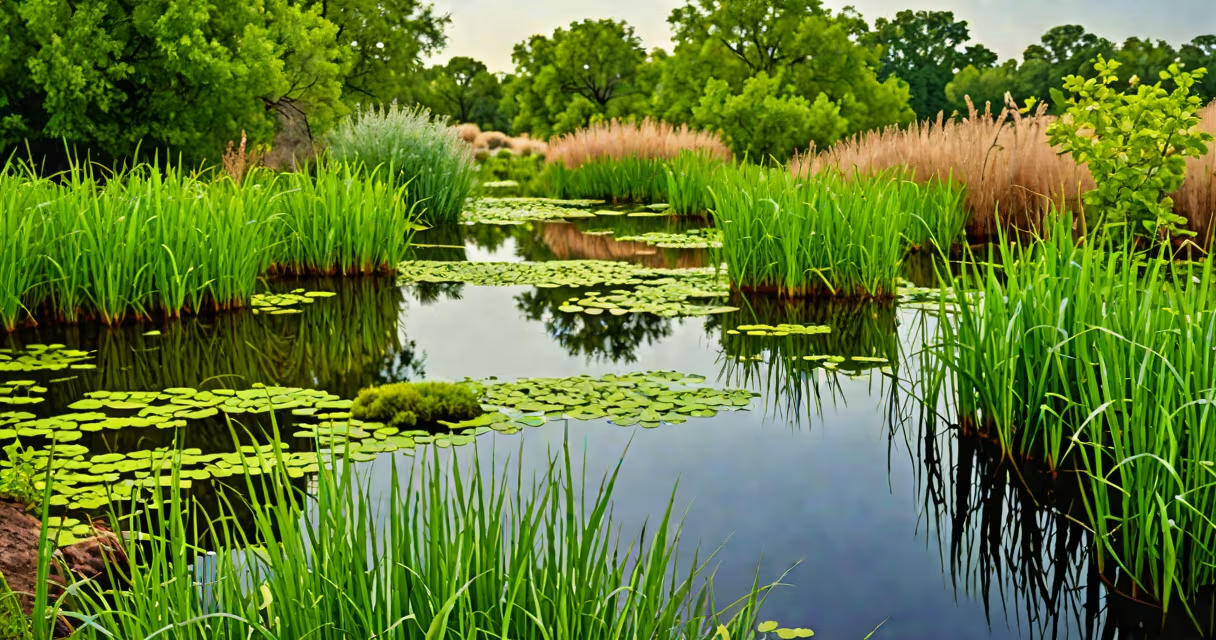
Steps to reduce water pollution involve targeting pollution sources at their origin, treating contaminated runoff and effluent, restoring natural water filtration systems, and enforcing regulatory standards. These actions prevent harmful substances from entering rivers, lakes, and groundwater.
Water pollution occurs when contaminants-such as chemicals, plastics, pathogens, and excess nutrients-enter aquatic ecosystems. The most effective way to stop this is to act before pollution enters waterways. This includes managing industrial discharges, reducing agricultural runoff, and improving urban stormwater systems.
According to the U.S. Environmental Protection Agency (EPA), over 40% of assessed U.S. water bodies remain impaired due to pollution. The EPA identifies point-source and nonpoint-source pollution as primary contributors. Point sources include factories and sewage treatment plants; nonpoint sources include fertilizers, pesticides, and vehicle runoff.
Each step functions within a chain of prevention, treatment, and restoration. The goal is to intercept pollutants early, neutralize them before they reach water, and repair damaged ecosystems.
For example, installing buffer strips-vegetated zones between farmland and streams-can absorb up to 60% of nitrogen and phosphorus runoff, according to research published in Environmental Science & Technology. These strips slow water flow, allow sediment to settle, and promote microbial breakdown of pollutants.
Industrial facilities use closed-loop systems to recycle process water. A steel plant in Ohio reduced its freshwater intake by 75% and cut discharge volume by 80% after retrofitting its cooling system. This change lowered the load of dissolved metals and suspended solids entering local rivers.
Effective steps fall into four categories: source control, treatment, ecological restoration, and policy enforcement. Each addresses different stages of the pollution lifecycle.
| Type | Examples | Impact Area |
|---|---|---|
| Source Control | Leak detection systems, low-phosphorus detergents, regulated fertilizer application | Prevents pollution before it forms |
| Treatment | Wastewater treatment plants, constructed wetlands, membrane filtration | Removes contaminants from existing waste streams |
| Restoration | Riparian buffer planting, oyster reef rebuilding, stream channel stabilization | Rehabilitates degraded waterways |
| Policy Enforcement | Permit systems, fines for violations, public reporting requirements | Ensures compliance and accountability |
One often overlooked method is phytoremediation-the use of plants to absorb or break down toxins. In a 2021 study in Journal of Hazardous Materials, researchers found that cattails and reeds removed 70% of heavy metals from polluted drainage ditches in a 90-day trial.
Urban areas apply stormwater retention basins and permeable pavements to manage runoff during rain events. Cities like Portland, Oregon, and Philadelphia have adopted green infrastructure programs that reduce combined sewer overflows by up to 45%.
In agriculture, the USDA's Natural Resources Conservation Service promotes nutrient management plans. Farms using these plans reduced nitrogen leaching by 30% compared to those without, based on data from the 2022 National Agricultural Statistics Survey.
Factories with permits under the Clean Water Act must meet effluent limits set by the EPA. Facilities that exceed limits face penalties and mandatory upgrades. The EPA tracks compliance through the National Pollutant Discharge Elimination System (NPDES).
Many assume that treating water after it's polluted is sufficient. But cleanup is costly and less effective than preventing contamination. For every dollar spent on pollution prevention, society saves $7 in cleanup and health costs, according to the World Bank.
Another misconception is that small-scale efforts don't matter. A single household flushing medications down the drain contributes to pharmaceutical residues in water. These compounds disrupt fish reproduction and persist in ecosystems. Proper disposal via take-back programs prevents this.
Also, people often confuse "clean water" with "safe water." Water may look clear but still contain invisible toxins like microplastics or endocrine disruptors. Testing for specific contaminants is essential. The EPA mandates testing for over 100 pollutants in public drinking water supplies annually.
The Chesapeake Bay watershed spans six states and the District of Columbia. By 2000, it was suffering from eutrophication-excess nutrients causing algal blooms and dead zones. Nitrogen levels were 2.5 times higher than historical averages.
States implemented a Total Maximum Daily Load (TMDL) plan, setting pollution caps. Key steps included:
By 2020, nitrogen loading dropped by 34%. Oxygen levels improved, and submerged aquatic vegetation recovered. The EPA confirmed progress in its 2021 Chesapeake Bay Report.
I observed this recovery firsthand while volunteering with a local watershed group. In 2018, we sampled water near a tributary that had previously turned brown during spring rains. After buffer strips were planted and runoff diverted, the same site showed a 60% drop in turbidity and a return of macroinvertebrates-indicators of healthy water.
Steps to reduce water pollution are not theoretical-they are proven, actionable strategies used worldwide. They require coordination among governments, industries, farmers, and citizens. When applied consistently, they restore ecosystems, protect human health, and ensure water security.