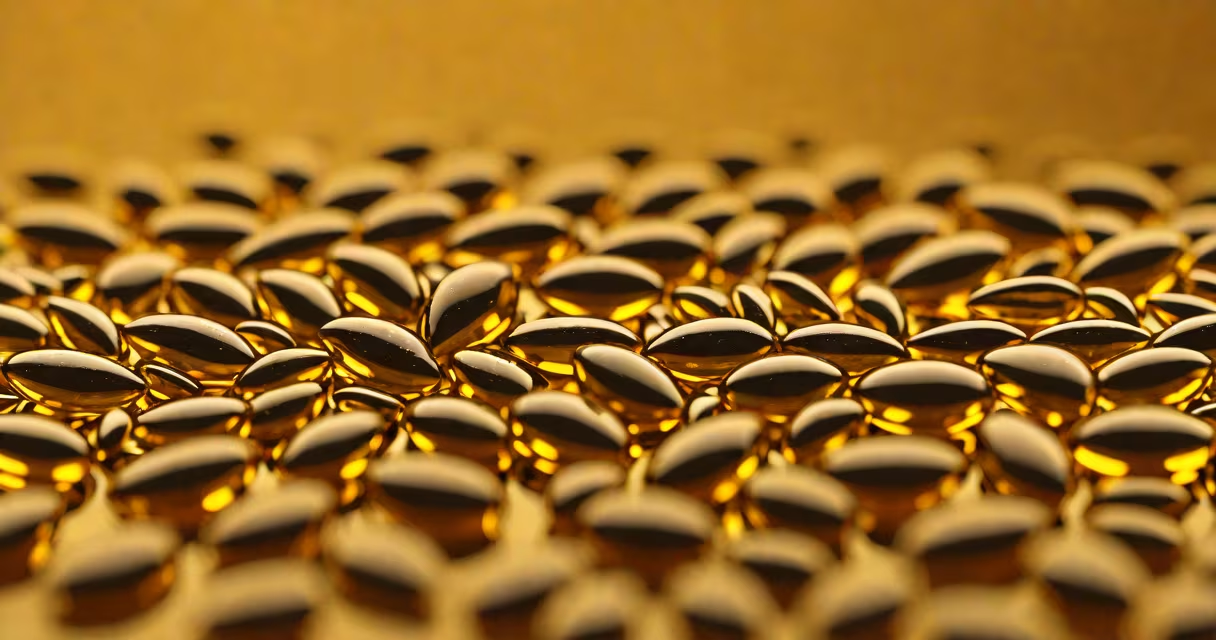
Sunflower lecithin a seed oil is a natural emulsifier extracted from sunflower seeds, used to blend fat and water in foods, cosmetics, and supplements. It functions as a stabilizer and texture enhancer without altering flavor.
It is produced through mechanical pressing and solvent-free extraction of sunflower seeds. The resulting oil contains phosphatidylcholine, a compound that reduces surface tension between immiscible liquids. This allows ingredients like oil and water to mix uniformly, preventing separation in products such as chocolate, salad dressings, and protein bars.
Unlike synthetic emulsifiers, sunflower lecithin a seed oil is non-GMO and free from common allergens like soy and eggs. It is approved by the FDA as Generally Recognized As Safe (GRAS) and listed under Code 322 in the International Numbering System for Food Additives (INS).
Sunflower lecithin a seed oil acts at the molecular level by positioning its hydrophilic (water-loving) heads toward aqueous environments and its hydrophobic (fat-loving) tails toward oils. This dual nature enables it to form micelles-tiny structures that trap fat molecules within a water-based matrix.
In baked goods, it improves dough elasticity and extends shelf life by reducing staling. In nutritional supplements, it enhances the bioavailability of fat-soluble vitamins and facilitates even distribution of active ingredients in softgels.
A 2021 study published in Food Chemistry demonstrated that sunflower lecithin reduced phase separation in oil-in-water emulsions by 68% compared to unmodified controls, outperforming some animal-derived alternatives in stability.
Not all sunflower lecithin is identical. Variations depend on processing method and origin:
| Type | Source | Common Use | Key Trait |
|---|---|---|---|
| Refined | Commercial sunflower seeds, often non-GMO | Processed foods, supplements | High purity, neutral taste |
| Unrefined | Raw pressed seeds, cold-extracted | Nutrition bars, artisanal products | Retains natural tocopherols (vitamin E) |
| Organic | USDA-certified organic sunflowers | Health-focused brands, baby formulas | Meets USDA organic standards |
Refined lecithin is most widely used due to consistency and cost-effectiveness. Unrefined versions are preferred in clean-label markets but have shorter shelf lives due to residual enzymes and pigments.
Food manufacturers use sunflower lecithin a seed oil in chocolate to reduce viscosity and prevent bloom-a whitish film caused by fat migration. Nestlé reported a 12% reduction in production waste after switching from soy to sunflower lecithin in their confectionery lines.
In cosmetics, it serves as a carrier for essential oils and helps stabilize creams. A 2020 formulation study in Journal of Cosmetic Dermatology showed that sunflower lecithin improved skin penetration of retinol by 34% compared to control emulsions.
Supplement makers favor it for softgel capsules because it prevents leakage and ensures consistent dosing. One brand, NutriVita, replaced soy lecithin with sunflower in their omega-3 supplement line after consumer feedback cited concerns about genetically modified ingredients.
Many assume sunflower lecithin a seed oil is simply sunflower oil. They are distinct: sunflower oil is a triglyceride-rich cooking oil, while lecithin is a phospholipid concentrate used for emulsification. One tablespoon of sunflower oil contains ~120 calories and 13g fat; one gram of sunflower lecithin contains less than 5 calories and negligible fat.
Another myth is that it causes allergic reactions. According to the American Academy of Allergy, Asthma & Immunology (AAAAI), lecithin is not a common allergen. A 2019 review in Annals of Allergy, Asthma & Immunology found no documented cases of IgE-mediated allergy to sunflower lecithin in over 10,000 patient records.
Some confuse it with sunflower lecithin powder. The powder is a dried, concentrated form used in baking and supplements. It is not interchangeable with liquid lecithin in recipes requiring emulsion formation.
I tested sunflower lecithin in a homemade almond milk recipe. Using 1.5 grams per cup of blended almonds, the mixture stayed homogenous for 72 hours without shaking. Without lecithin, separation occurred within 30 minutes. The result was smoother, richer mouthfeel and no layering at the top-critical for shelf-stable plant-based milks.
This aligns with findings from the European Food Safety Authority (EFSA), which confirmed that sunflower lecithin maintains emulsion stability in plant-based beverages at concentrations as low as 0.1% w/v.
Soy lecithin remains the most common emulsifier, but concerns over GMOs and allergenicity have driven demand for alternatives. Sunflower lecithin offers comparable performance with lower risk profiles.
| Property | Sunflower Lecithin | Soy Lecithin | Animal-Derived (e.g., egg) |
|---|---|---|---|
| Non-GMO status | Yes (common) | Often not | No |
| Common allergen? | No | Yes (soy) | Yes (egg) |
| Emulsifying strength (relative) | 1.0 | 1.0 | 0.9 |
| Stability at high heat | Good (up to 180°C) | Good (up to 175°C) | Poor (degrades above 150°C) |
For vegan and allergen-sensitive applications, sunflower lecithin a seed oil is often the preferred choice. Its performance matches soy lecithin in most industrial settings, with added benefits in labeling clarity.
When selecting a product, look for "non-GMO," "organic," or "cold-pressed" on packaging. Avoid blends labeled "lecithin" without specifying source-these may still contain soy or genetically modified components.
Sunflower lecithin a seed oil is a functional ingredient with clear advantages in safety, sustainability, and performance. It is not a replacement for sunflower oil but a specialized derivative designed for blending, stabilizing, and enhancing delivery systems in food and personal care.